
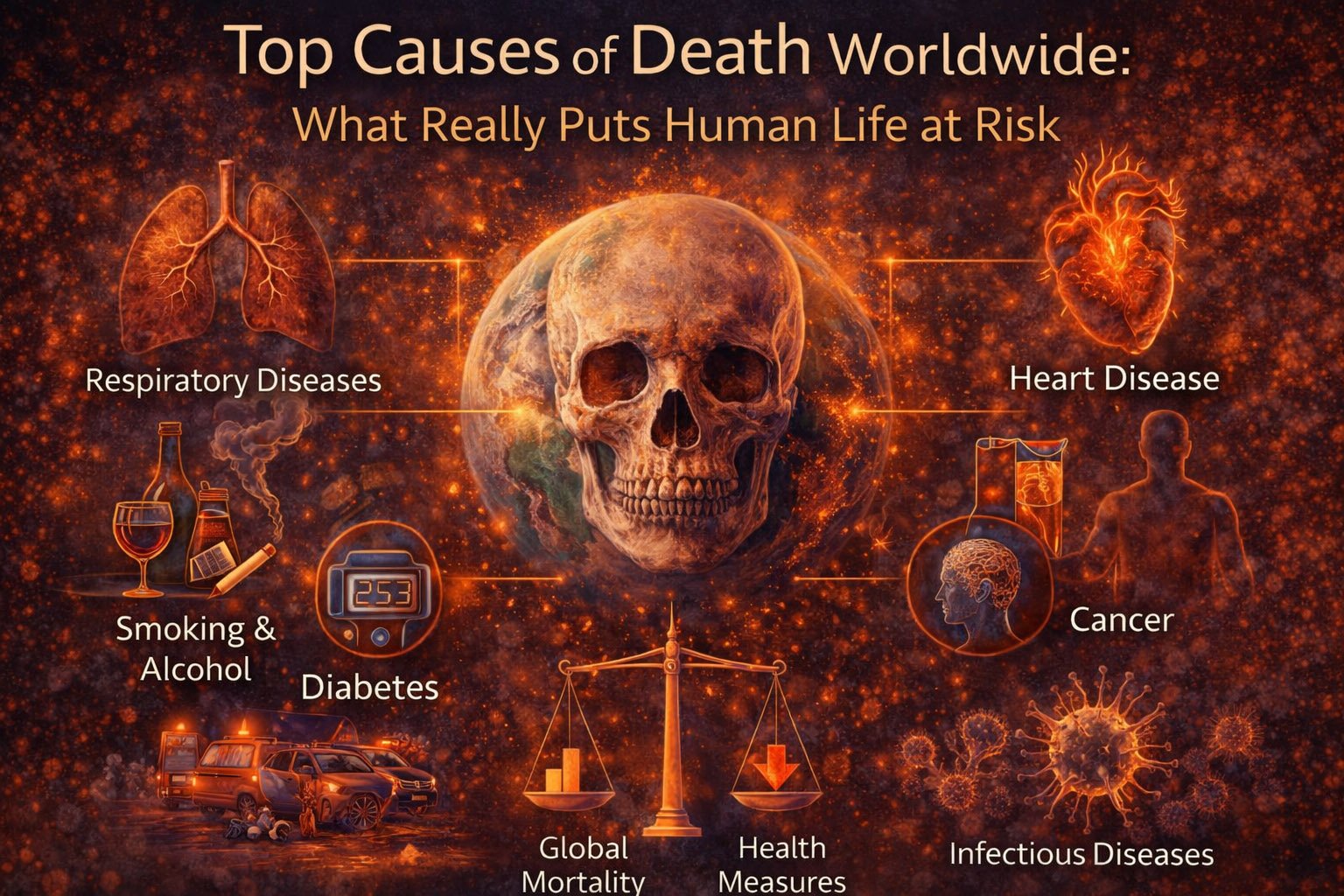
Top Causes of Death Worldwide: What Really Puts Human Life at Risk
Introduction: What People Fear vs. What Actually Kills
VitaCoreBalance Editorial Team | Research-based health content • Editorial review process | April 2026
When people think about death, their fears often revolve around dramatic events—accidents, rare diseases, or unexpected tragedies. News headlines amplify these concerns, shaping a perception that danger is sudden, external, and unpredictable.
But the reality is far more subtle—and far more unsettling.
The leading causes of death worldwide are not typically sudden or random. Instead, they are largely driven by long-term lifestyle patterns, environmental exposure, and chronic conditions that develop silently over time.
In other words, for a significant portion of global mortality, how we live plays a central role in how we die.
The Global Picture: Leading Causes of Death
According to data from the World Health Organization, the majority of deaths worldwide are caused by noncommunicable diseases (NCDs)—chronic conditions that are often preventable or manageable.
Top Causes of Death Globally
-
Cardiovascular diseases (heart attacks, strokes)
-
Cancers
-
Chronic respiratory diseases (e.g., COPD)
-
Lower respiratory infections
-
Alzheimer’s disease and other dementias
-
Diabetes mellitus
-
Kidney diseases
-
Hypertensive heart disease
-
Liver diseases
-
Road injuries
Together, these causes account for the vast majority of deaths globally, with cardiovascular diseases alone responsible for around one-third of all deaths.
1. Cardiovascular Diseases: The Silent Accumulation


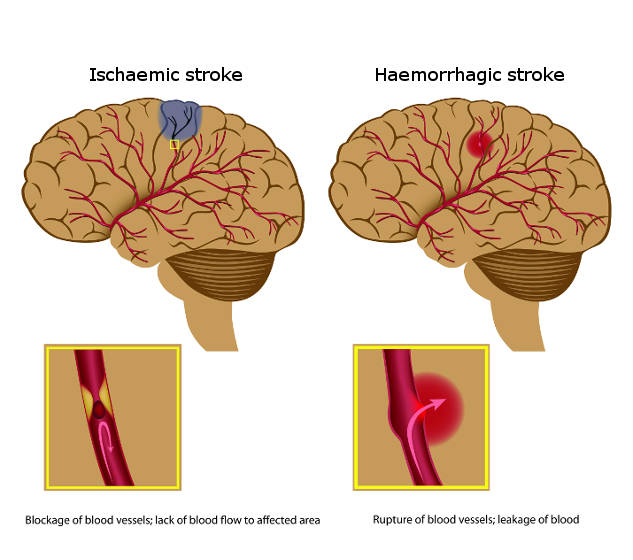
Cardiovascular diseases (CVDs) remain the leading cause of death worldwide.
They include:
-
Heart attacks (myocardial infarction)
-
Strokes
-
Heart failure
Key Risk Factors
-
Poor diet (high in processed foods, sugar, trans fats)
-
Physical inactivity
-
Smoking
-
Excessive alcohol consumption
-
Chronic stress
These conditions develop over decades. Arteries gradually narrow, blood pressure rises, and metabolic dysfunction accumulates—often without symptoms until a catastrophic event occurs.
2. Cancer: Complex, But Often Influenced by Lifestyle

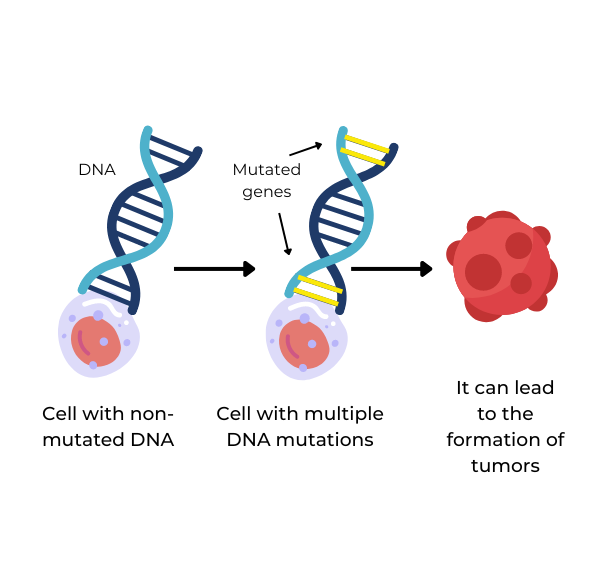

Cancer is the second leading cause of death globally.
While some cancers are strongly linked to genetic mutations, a large proportion are associated with modifiable risk factors.
Major Contributors
-
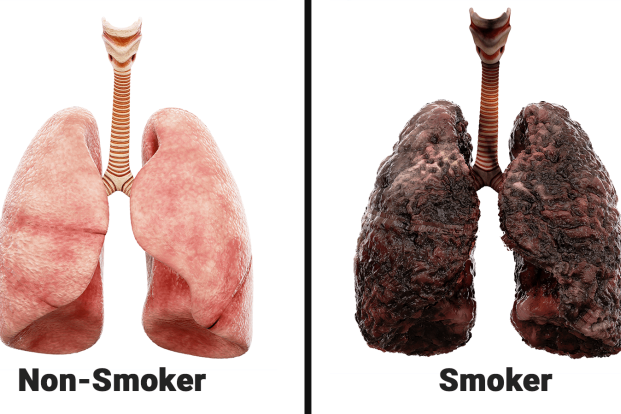
Tobacco use (leading cause of preventable cancer)
-
Diet and obesity
-
Alcohol consumption
-
Environmental exposure (pollution, chemicals)
-
Physical inactivity
According to global health research, 30–50% of cancers are considered preventable through lifestyle and environmental changes.
3. Chronic Respiratory Diseases


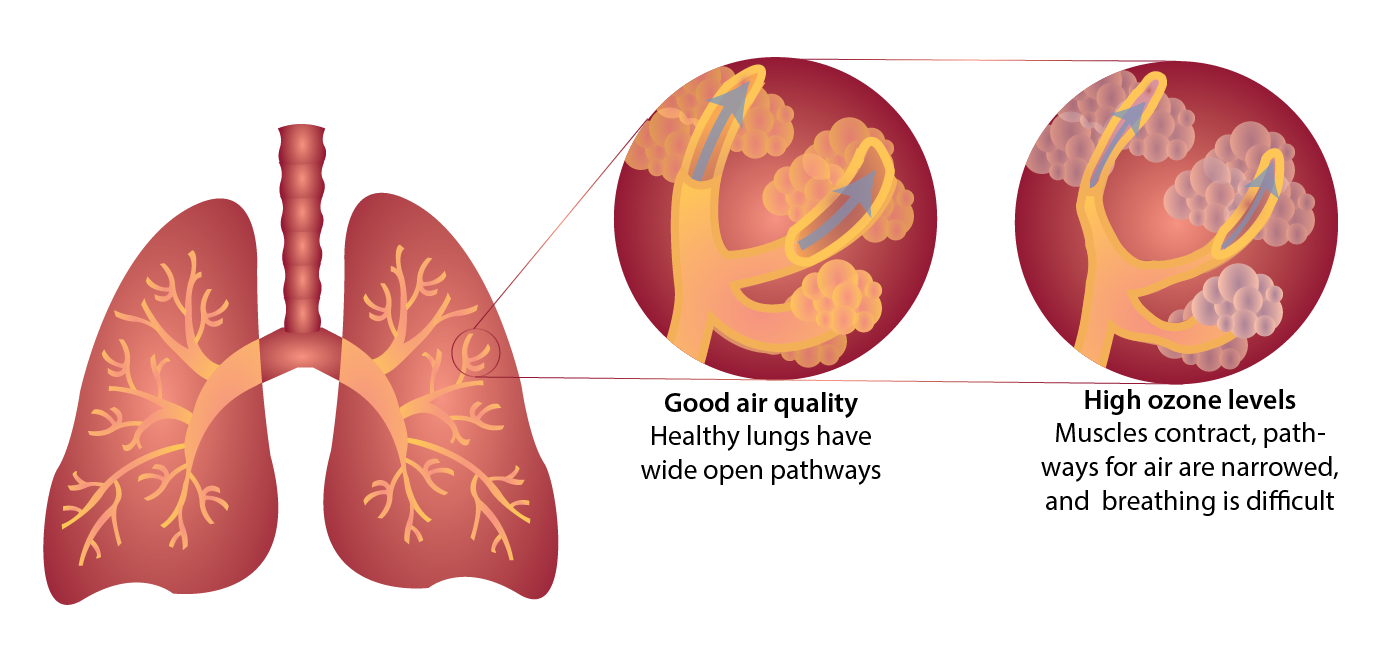
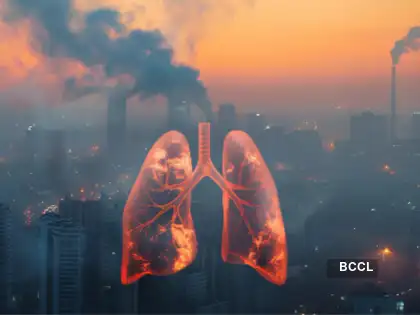
Diseases such as chronic obstructive pulmonary disease (COPD) significantly impact global mortality.
Main Causes
-
Smoking (primary driver)
-
Air pollution (indoor and outdoor)
-
Occupational hazards (dust, chemicals)
These diseases gradually reduce lung function, limiting oxygen intake and quality of life.
4. Diabetes and Metabolic Disorders


Diabetes—especially type 2—is rapidly increasing worldwide.
Key Drivers
-
High-calorie diets
-
Sedentary lifestyle
-
Obesity
-
Genetic predisposition
Diabetes is particularly dangerous because it contributes to other major causes of death, including heart disease, kidney failure, and stroke.
5. Infections and External Causes




While chronic diseases dominate globally, infectious diseases and injuries still play a major role—especially in low- and middle-income countries.
Examples
-
Lower respiratory infections (e.g., pneumonia)
-
Road traffic accidents
-
Tuberculosis and other infectious diseases
The Core Insight: Lifestyle as a Central Driver of Mortality
A growing body of research confirms a critical point:
Many of the world’s leading causes of death are strongly influenced by lifestyle behaviors.
This includes:
-
Diet quality
-
Physical activity
-
Smoking habits
-
Alcohol consumption
-
Sleep patterns
-
Stress levels
These factors do not act instantly—but over years or decades, they significantly alter disease risk.
However, Important Nuance
It is essential to avoid oversimplification.
-
Not all diseases are caused by lifestyle.
Genetic conditions, autoimmune disorders, and certain cancers can arise independently of personal habits. -
But lifestyle often interacts with genetics.
A person may have a genetic predisposition, yet lifestyle choices can accelerate, delay, or even prevent disease expression.
This concept is widely supported in fields like epidemiology and preventive medicine.
Why This Matters: A Misalignment of Fear
There is a fundamental mismatch between:
-
What people fear (rare, dramatic events)
-
What actually causes death (chronic, gradual conditions)
This misalignment leads to:
-
Poor prioritization of health behaviors
-
Underestimation of long-term risks
-
Overestimation of unlikely dangers
Conclusion: The Long Arc of Human Health
Death, in most cases, is not the result of a single moment—but of a long trajectory.
While randomness and genetics play undeniable roles, the data strongly suggests that human lifestyle is one of the most powerful determinants of global mortality patterns.
Understanding this does not guarantee control—but it offers something more valuable:
Influence.
And over time, influence becomes probability—and probability becomes outcome.
This content is for informational purposes only and does not constitute medical advice. Always consult a qualified healthcare professional.
Editorial Transparency
This article was created following evidence-based health content guidelines and reviewed by the VitaCoreBalance Editorial Team.
Sources
-
World Health Organization – Global Health Estimates
-
Global Burden of Disease Study (GBD)
-
Centers for Disease Control and Prevention (CDC)
-
National Cancer Institute (NCI)
-
The Lancet – Epidemiology and public health studies