

Long-Term Effects of High Blood Sugar
VitaCoreBalance Editorial Team | Research-based health content • Editorial review process | March 2026
Introduction: Why Persistent High Blood Sugar Matters Over Time
High blood sugar, also known as hyperglycemia, can have serious consequences when it persists over months or years. While short-term increases in glucose may not cause immediate symptoms, chronic elevation gradually damages blood vessels, nerves, and organs throughout the body. This slow process is why many complications develop silently before becoming noticeable.
The long-term effects of high blood sugar are closely connected to Metabolism, Hormone Health, and Heart Health, as well as nerve function, kidney health, and energy regulation. Understanding these effects is essential not only for people with diabetes but also for those with prediabetes or insulin resistance.
Maintaining stable blood sugar is one of the most important steps for protecting long-term health and preventing chronic disease.
What Is Considered Long-Term High Blood Sugar?
Long-term high blood sugar refers to consistently elevated glucose levels over an extended period. This condition can occur in individuals with diabetes, prediabetes, or metabolic syndrome, but it may also develop gradually due to lifestyle factors.
Persistent high blood sugar can result from:
- Insulin resistance
- Poor diet quality
- Physical inactivity
- Chronic stress
- Hormonal imbalance
- Sleep disruption
Over time, these factors can overwhelm the body’s ability to regulate glucose, leading to metabolic damage.
This is why early management of Blood Sugar is critical for preventing long-term complications and supporting stable Energy & Fatigue patterns.
How Chronic High Blood Sugar Damages the Body (Physiology)
Long-term exposure to elevated glucose levels triggers several harmful biological processes.
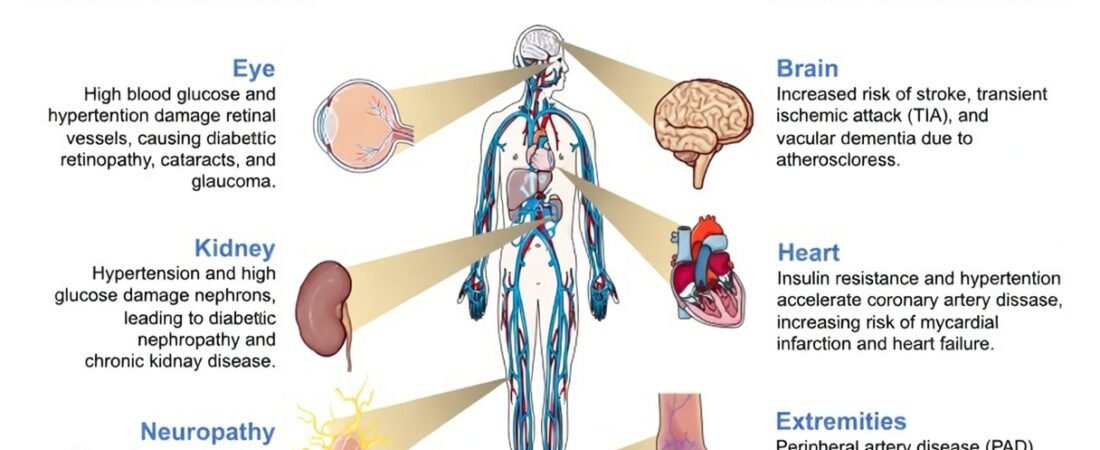
1) Blood Vessel Damage
High blood sugar can damage the inner lining of blood vessels, making them less flexible and more prone to inflammation.
This process can lead to:
- Reduced blood flow
- Increased blood pressure
- Plaque buildup
- Cardiovascular disease
Blood vessel damage is one of the primary reasons chronic hyperglycemia is strongly linked to poor Heart Health.
2) Nerve Damage (Neuropathy)
Elevated glucose can injure nerves by reducing blood supply and increasing inflammation.
Common symptoms include:
- Numbness
- Tingling
- Burning sensations
- Muscle weakness
Nerve damage often develops gradually and is one of the most common complications of long-term high blood sugar.
3) Kidney Damage (Diabetic Nephropathy)
The kidneys filter waste from the bloodstream. High blood sugar can damage the tiny blood vessels responsible for this filtration process.
Over time, this can lead to:
- Reduced kidney function
- Protein leakage in urine
- Fluid imbalance
- Kidney failure
Kidney damage is a major complication of uncontrolled blood sugar.
4) Eye Damage (Diabetic Retinopathy)
The eyes contain delicate blood vessels that are sensitive to glucose changes.
Long-term high blood sugar can cause:
- Vision problems
- Blurred vision
- Retinal damage
- Vision loss
Early detection and blood sugar control can significantly reduce risk.
5) Chronic Inflammation
Persistent high blood sugar can trigger ongoing inflammation throughout the body.
Inflammation contributes to:
- Insulin resistance
- Fatigue
- Joint pain
- Metabolic disease
This mechanism highlights the connection between glucose control and overall Metabolism.
6) Increased Risk of Cardiovascular Disease
High blood sugar increases the risk of heart-related conditions.
These include:
- Coronary artery disease
- Heart attack
- Stroke
- Hypertension
Cardiovascular complications are among the most serious long-term consequences of uncontrolled blood sugar.
This reinforces the importance of protecting Heart Health through stable glucose management.
Common Symptoms of Long-Term High Blood Sugar
Long-term hyperglycemia often develops gradually and may produce subtle symptoms at first.
Common signs include:
- Persistent fatigue
- Frequent urination
- Increased thirst
- Blurred vision
- Slow wound healing
- Frequent infections
- Numbness or tingling
These symptoms frequently overlap with issues in Energy & Fatigue regulation.
Conditions Associated With Long-Term High Blood Sugar
Chronic high blood sugar is strongly associated with several serious health conditions.
Type 2 Diabetes
A metabolic disorder characterized by persistent high glucose levels.
Long-term complications may include:
- Nerve damage
- Kidney disease
- Vision problems
- Cardiovascular disease
Metabolic Syndrome
A cluster of conditions that increase the risk of heart disease and diabetes.
Features include:
- High blood sugar
- High blood pressure
- Abdominal obesity
- Abnormal cholesterol levels
This condition is closely linked to Weight Loss challenges and metabolic dysfunction.
Peripheral Artery Disease
A condition in which narrowed blood vessels reduce blood flow to the limbs.
Symptoms may include:
- Leg pain
- Reduced mobility
- Poor wound healing
This condition is strongly associated with poor circulation and cardiovascular risk.
Cognitive Decline
Emerging research suggests that chronic high blood sugar may affect brain health.
Possible effects include:
- Memory problems
- Reduced concentration
- Increased risk of dementia
This connection highlights the importance of long-term metabolic stability.
Risk Factors That Increase Long-Term Blood Sugar
Several factors can increase the likelihood of chronic hyperglycemia.
These include:
- Poor diet quality
- Physical inactivity
- Excess body weight
- Chronic stress
- Poor sleep
- Family history of diabetes
Addressing these risk factors supports both Metabolism and long-term health.
Practical Strategies to Prevent Long-Term Complications
Preventing complications begins with consistent blood sugar management.
Maintain Stable Blood Sugar Levels
Helpful strategies include:
- Monitoring glucose levels
- Eating balanced meals
- Avoiding frequent spikes
- Maintaining consistent routines
Stay Physically Active
Regular movement improves insulin sensitivity and circulation.
Benefits include:
- Lower blood sugar
- Improved cardiovascular health
- Reduced inflammation
- Increased energy
Follow a Balanced Diet
Healthy eating patterns help stabilize glucose and reduce metabolic stress.
Focus on:
- Whole foods
- Fiber-rich meals
- Lean protein
- Healthy fats
Healthy dietary habits support both Nutrition and long-term metabolic health.
Manage Stress and Sleep
Stress and sleep disruption can worsen blood sugar control.
Healthy habits include:
- Maintaining a regular sleep schedule
- Reducing stress
- Creating consistent daily routines
These habits support both Hormone Health and metabolic stability.
Seek Regular Medical Monitoring
Routine health checks can detect early signs of complications.
Important tests may include:
- Blood glucose testing
- A1C measurement
- Kidney function tests
- Eye examinations
Early detection significantly improves outcomes.
Why Early Blood Sugar Control Protects Long-Term Health
The long-term effects of high blood sugar often develop slowly but can become serious if left untreated.
Early management helps:
- Prevent organ damage
- Reduce inflammation
- Improve energy levels
- Lower cardiovascular risk
- Protect overall health
Stable glucose levels are one of the strongest predictors of long-term well-being.
Final Thoughts: Long-Term Health Depends on Daily Blood Sugar Stability
High blood sugar is not just a short-term issue—it is a long-term health risk.
Consistent glucose control protects:
- Blood vessels
- Nerves
- Kidneys
- Eyes
- Heart
- Brain
Understanding the long-term effects of high blood sugar helps individuals take proactive steps to protect their health and prevent complications.
Maintaining stable Blood Sugar, supporting healthy Metabolism, and protecting Heart Health remain essential for long-term health and disease prevention.
FAQ
How long does high blood sugar take to cause damage?
Damage can begin within years of persistent high blood sugar, but symptoms may take longer to appear.
Can long-term high blood sugar be reversed?
Early stages of metabolic dysfunction may be improved with lifestyle changes and medical treatment, but prevention is the most effective strategy.
What is the most serious complication of high blood sugar?
Cardiovascular disease is one of the leading causes of complications and mortality related to chronic high blood sugar.
Does prediabetes cause long-term damage?
Prediabetes can lead to complications if blood sugar remains elevated over time, but early intervention can significantly reduce risk.
Medical Disclaimer
This content is for informational purposes only and does not constitute medical advice. Always consult a qualified healthcare professional.
Editorial Transparency
This article was created following evidence-based health content guidelines and reviewed by the VitaCoreBalance Editorial Team.
Sources
Centers for Disease Control and Prevention (CDC)
Diabetes Complications and Prevention
National Institute of Diabetes and Digestive and Kidney Diseases (NIDDK)
Long-Term Complications of Diabetes
American Diabetes Association (ADA)
Chronic Hyperglycemia and Complications
Brownlee M
The Pathobiology of Diabetic Complications
Nature
Stratton IM et al.
Association of Glycemia With Macrovascular and Microvascular Complications
BMJ
Forbes JM, Cooper ME
Mechanisms of Diabetic Complications
Physiological Reviews