

Gut Health and Inflammation
VitaCoreBalance Editorial Team | Research-based health content • Editorial review process | March 2026
Gut health plays a central role in regulating inflammation throughout the body. The digestive system is not only responsible for breaking down food and absorbing nutrients — it also houses a large portion of the immune system and trillions of microorganisms that help control inflammatory responses. When the gut is healthy and balanced, inflammation is regulated. When the gut becomes disrupted, inflammation can increase and contribute to chronic disease.
This relationship between gut health and inflammation is now recognized as a key factor in metabolic and cardiovascular health. Chronic inflammation has been linked to conditions such as obesity, diabetes, heart disease, autoimmune disorders, and fatigue. Because the gut interacts closely with multiple systems, it directly influences Metabolism, Nutrition, Hormone Health, and Heart Health, as well as immune and energy regulation.
Understanding how gut health affects inflammation provides a foundation for preventing disease and supporting long-term health.
What Is Gut Health?
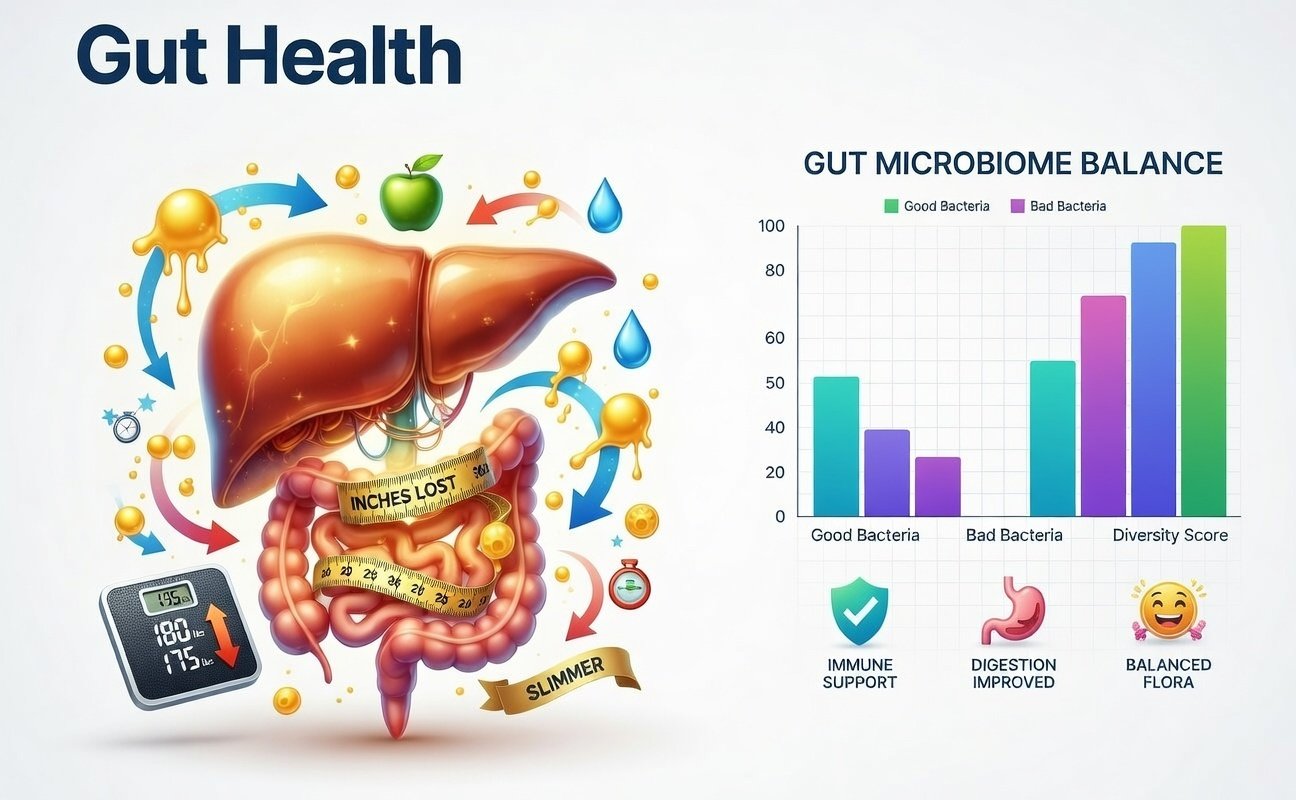
Gut health refers to the overall function and balance of the digestive system, including the gastrointestinal tract and the community of microorganisms known as the gut microbiome.
A healthy gut typically includes:
- A diverse and balanced microbiome
- Strong intestinal lining integrity
- Efficient digestion and nutrient absorption
- Proper immune regulation
- Controlled inflammatory responses
The gut microbiome contains bacteria, viruses, fungi, and other microbes that help regulate metabolism, immunity, and inflammation. These microorganisms communicate with the immune system and influence how the body responds to infection, stress, and environmental triggers.
Gut health is strongly influenced by dietary patterns discussed in Nutrition, metabolic regulation addressed in Metabolism, and sleep patterns covered in Sleep Health.
How the Gut Regulates Inflammation (Physiology)
The gut acts as a major immune control center. Approximately 70% of the immune system is located in the gastrointestinal tract, where immune cells monitor incoming food particles, microbes, and toxins.
When the gut is functioning properly:
- The immune system responds appropriately to threats
- Inflammation remains controlled
- Harmful microbes are kept in balance
- The intestinal barrier remains intact
When gut function becomes impaired, the immune system may become overactive, leading to chronic inflammation.
The Gut Barrier and Immune Defense
The intestinal lining acts as a protective barrier that controls what enters the bloodstream.
This barrier:
- Allows nutrients to pass into the body
- Blocks harmful substances
- Maintains immune balance
When the gut barrier becomes weakened, substances such as bacteria or toxins may enter the bloodstream, triggering inflammation.
This process is sometimes referred to as:
increased intestinal permeability
Inflammatory responses triggered by gut barrier disruption can influence metabolic regulation discussed in Metabolism and cardiovascular risk addressed in Heart Health.
The Gut Microbiome and Immune Signaling
The gut microbiome communicates continuously with the immune system.
Beneficial microbes help:
- Produce anti-inflammatory compounds
- Regulate immune responses
- Maintain intestinal barrier integrity
- Support nutrient metabolism
An imbalance in gut bacteria — often called dysbiosis — can increase inflammation and disrupt metabolic processes.
Microbiome balance is strongly influenced by dietary patterns discussed in Nutrition.
Short-Chain Fatty Acids and Inflammation Control
Beneficial gut bacteria produce compounds called short-chain fatty acids (SCFAs) when they ferment dietary fiber.
These compounds help:
- Reduce inflammation
- Strengthen the gut barrier
- Support immune regulation
- Improve metabolic health
SCFAs play a critical role in controlling inflammation and supporting long-term health.
This mechanism connects gut function to metabolic regulation discussed in Blood Sugar and Metabolism.
Common Causes of Gut-Related Inflammation
Several lifestyle and environmental factors can disrupt gut balance and increase inflammation.
Poor Diet
Diet is one of the strongest influences on gut health.
Diets high in:
- Ultra-processed foods
- Added sugar
- Refined carbohydrates
- Unhealthy fats
can disrupt the gut microbiome and promote inflammation.
Dietary quality is closely linked to metabolic health discussed in Nutrition and Metabolism.
Chronic Stress
Stress affects the gut through hormonal and nervous system pathways.
Chronic stress can:
- Alter gut bacteria
- Increase intestinal permeability
- Increase inflammation
- Disrupt digestion
Stress regulation is closely linked to hormone balance discussed in Hormone Health.
Poor Sleep
Sleep disruption affects immune regulation and gut microbiome balance.
Poor sleep can lead to:
- Increased inflammation
- Hormonal imbalance
- Reduced immune function
- Increased metabolic risk
Sleep patterns strongly influence health outcomes discussed in Sleep Health.
Antibiotic Use
Antibiotics can be life-saving medications, but they can also disrupt beneficial gut bacteria.
Repeated or unnecessary antibiotic use may:
- Reduce microbial diversity
- Increase inflammation
- Impair digestion
- Weaken immune regulation
Gut recovery after antibiotic use often depends on dietary patterns discussed in Nutrition.
Sedentary Lifestyle
Physical inactivity can negatively affect gut health and inflammation.
Regular movement helps:
- Improve microbiome diversity
- Reduce inflammation
- Support metabolic regulation
Physical activity also supports energy regulation discussed in Energy & Fatigue.
Health Conditions Linked to Gut Inflammation
Chronic gut-related inflammation is associated with a wide range of health conditions.
Irritable Bowel Syndrome (IBS)
IBS is a functional digestive disorder associated with gut sensitivity and inflammation.
Symptoms may include:
- Abdominal pain
- Bloating
- Diarrhea or constipation
- Gas
Inflammatory processes in IBS may also influence metabolic regulation discussed in Metabolism.
Inflammatory Bowel Disease (IBD)
IBD includes conditions such as Crohn’s disease and ulcerative colitis.
These conditions involve chronic inflammation of the digestive tract and may lead to:
- Severe abdominal pain
- Diarrhea
- Weight loss
- Fatigue
Inflammatory bowel conditions often affect nutrient absorption discussed in Nutrition.
Metabolic Syndrome
Gut inflammation can contribute to metabolic dysfunction.
This condition includes:
- High blood sugar
- High blood pressure
- Abdominal obesity
- High triglycerides
- Low HDL cholesterol
Metabolic syndrome significantly increases cardiovascular risk addressed in Heart Health.
Cardiovascular Disease
Chronic inflammation originating in the gut can contribute to blood vessel damage and plaque formation.
This connection highlights the relationship between gut health and cardiovascular risk discussed in Heart Health and Blood Sugar.
Autoimmune Conditions
Autoimmune diseases occur when the immune system attacks healthy tissues.
Chronic inflammation linked to gut dysfunction has been associated with autoimmune conditions such as:
- Rheumatoid arthritis
- Hashimoto’s thyroiditis
- Psoriasis
These conditions often involve immune and hormonal regulation discussed in Hormone Health.
Signs of Gut-Related Inflammation
Early symptoms may be subtle but can indicate underlying imbalance.
Common signs include:
- Bloating
- Digestive discomfort
- Food sensitivities
- Fatigue
- Skin problems
- Brain fog
- Frequent illness
- Irregular bowel movements
These symptoms often overlap with metabolic and energy-related issues discussed in Energy & Fatigue.
Practical Strategies to Reduce Gut Inflammation
Improving gut health is one of the most effective ways to reduce chronic inflammation.
Eat a Fiber-Rich Diet
Dietary fiber supports beneficial gut bacteria.
Good sources include:
- Vegetables
- Fruits
- Whole grains
- Legumes
- Nuts and seeds
Fiber intake supports microbiome balance discussed in Nutrition.
Include Fermented Foods
Fermented foods contain beneficial bacteria that support gut health.
Examples include:
- Yogurt
- Kefir
- Sauerkraut
- Kimchi
- Kombucha
These foods may help improve microbial balance and reduce inflammation.
Manage Stress
Stress management helps regulate gut and immune function.
Helpful strategies include:
- Regular physical activity
- Relaxation techniques
- Mindfulness practices
- Adequate sleep
Stress regulation supports hormonal balance discussed in Hormone Health.
Maintain Regular Sleep Patterns
Sleep supports immune regulation and gut repair.
Helpful habits include:
- Consistent sleep schedule
- Dark, quiet sleep environment
- Limiting screen exposure before bed
Healthy sleep patterns support recovery discussed in Sleep Health.
Stay Physically Active
Regular movement supports gut health and reduces inflammation.
Benefits include:
- Improved circulation
- Reduced inflammatory markers
- Better metabolic regulation
Physical activity also supports cardiovascular health discussed in Heart Health.
Why Gut Health and Inflammation Matter for Long-Term Health
Chronic inflammation is now recognized as a major driver of many modern diseases. The gut plays a central role in regulating this process through immune signaling, microbial balance, and nutrient metabolism.
When gut health is compromised, inflammation can spread throughout the body and increase the risk of:
- Heart disease
- Diabetes
- Obesity
- Autoimmune disorders
- Digestive conditions
- Chronic fatigue
Because gut function influences multiple systems, supporting gut health improves outcomes across Metabolism, Blood Sugar, Heart Health, Hormone Health, and Nutrition.
Final Thoughts
Gut health and inflammation are deeply connected through the immune system, microbiome, and metabolic regulation. A healthy gut helps control inflammation, protect organs, and support long-term health.
Many factors that influence gut health — including diet, stress, sleep, and physical activity — are modifiable. Small, consistent lifestyle changes can significantly improve gut function and reduce inflammation over time.
Protecting gut health is not just about digestion — it is about protecting the entire body.
Medical Disclaimer
This content is for informational purposes only and does not constitute medical advice. Always consult a qualified healthcare professional.
Editorial Transparency
This article was created following evidence-based health content guidelines and reviewed by the VitaCoreBalance Editorial Team.
Sources
Medical Institutions
National Institutes of Health (NIH)
Cleveland Clinic — Gut Health and Inflammation
Mayo Clinic — Digestive Health
Harvard Medical School — The Gut Microbiome
Global Organizations
World Health Organization (WHO) — Chronic Inflammation and Disease
Peer-Reviewed Studies
Tilg H, Moschen AR
Microbiota and inflammation
Gut
Cani PD et al.
Metabolic endotoxemia and inflammation
Diabetes
Scientific Review
Rooks MG, Garrett WS
Gut microbiota and host immunity
Nature Reviews Immunology