

Why You Feel Tired Even After Sleeping: Understanding the Causes of Persistent Fatigue
VitaCoreBalance Editorial Team | Research-based health content • Editorial review process | March 2026
Feeling tired even after a full night’s sleep is a common problem that affects energy, productivity, mood, and long-term health. Many people assume that fatigue is simply caused by not sleeping enough, but the reality is more complex. Sleep quality, metabolic health, hormone balance, stress levels, and underlying health conditions all influence how refreshed you feel after sleep.
Persistent fatigue can signal disruptions in systems discussed across Sleep Health, Metabolism, Hormone Health, Energy & Fatigue, and Heart Health. Understanding the root causes of ongoing tiredness is essential for restoring energy, improving performance, and protecting long-term health.
What Does It Mean to Feel Tired After Sleeping?
Feeling tired after sleeping refers to waking up without a sense of restoration or energy, even after spending enough time in bed. This condition is often linked to poor sleep quality rather than insufficient sleep duration.
Common experiences include:
- Waking up feeling exhausted
- Needing multiple alarms to get out of bed
- Feeling sleepy during the day
- Difficulty concentrating
- Low motivation or brain fog
- Persistent lack of energy
These symptoms often reflect underlying disruptions in recovery, metabolism, or sleep cycles.
The Difference Between Sleep Quantity and Sleep Quality
Sleep quantity refers to how many hours you sleep, while sleep quality refers to how restorative that sleep is. Someone can sleep for 7–9 hours but still feel tired if the body does not reach adequate deep sleep or REM sleep stages.
Poor sleep quality may involve:
- Frequent awakenings
- Shallow sleep
- Interrupted sleep cycles
- Reduced deep sleep
- Reduced REM sleep
Sleep quality is closely connected to systems discussed in Sleep Health.
Common Causes of Feeling Tired After Sleeping
Persistent fatigue usually results from multiple interacting factors rather than a single cause.
Poor Sleep Quality
Sleep disruptions can prevent the body from completing normal recovery cycles.
This may be caused by:
- Noise or light exposure
- Uncomfortable sleep environment
- Stress or anxiety
- Irregular sleep schedule
Poor sleep quality directly affects energy production and recovery.
Sleep Disorders
Sleep disorders can significantly reduce sleep efficiency.
Common sleep disorders include:
- Insomnia
- Sleep apnea
- Restless legs syndrome
- Circadian rhythm disorders
These conditions reduce oxygen delivery, disrupt sleep cycles, and impair recovery.
Stress and High Cortisol Levels
Chronic stress increases cortisol, the body’s primary stress hormone. Elevated cortisol can interfere with sleep depth and recovery.
Stress-related effects may include:
- Difficulty falling asleep
- Nighttime awakenings
- Light sleep
- Morning fatigue
Stress regulation is closely connected to systems discussed in Hormone Health.
Blood Sugar Imbalance
Fluctuating blood sugar levels can disrupt sleep and energy regulation.
Blood sugar instability may lead to:
- Nighttime awakenings
- Morning fatigue
- Cravings
- Low energy
Blood sugar regulation is closely connected to systems discussed in Blood Sugar.
Nutritional Deficiencies
Certain nutrients are essential for energy production and sleep regulation.
Deficiencies that may contribute to fatigue include:
Nutrition plays a central role in energy balance discussed in Nutrition.
Dehydration
Even mild dehydration can reduce energy levels and impair cognitive function.
Dehydration may cause:
- Fatigue
- Headaches
- Reduced concentration
- Weakness
Hydration supports metabolic efficiency and circulation.
Hormonal Imbalance
Hormones regulate sleep, metabolism, and energy production.
Hormonal disruptions may involve:
- Thyroid hormones
- Cortisol
- Melatonin
- Insulin
Hormonal balance is closely connected to systems discussed in Hormone Health.
Poor Sleep Environment
Environmental conditions strongly influence sleep quality.
Sleep-disrupting factors may include:
- Excess light
- Noise
- High room temperature
- Uncomfortable mattress or pillow
Improving the sleep environment is one of the simplest ways to improve recovery.
Lack of Physical Activity
Physical inactivity reduces circulation and energy regulation.
Sedentary behavior may lead to:
- Reduced sleep quality
- Slower metabolism
- Increased fatigue
- Reduced endurance
Physical activity supports systems discussed in Heart Health and Energy & Fatigue.
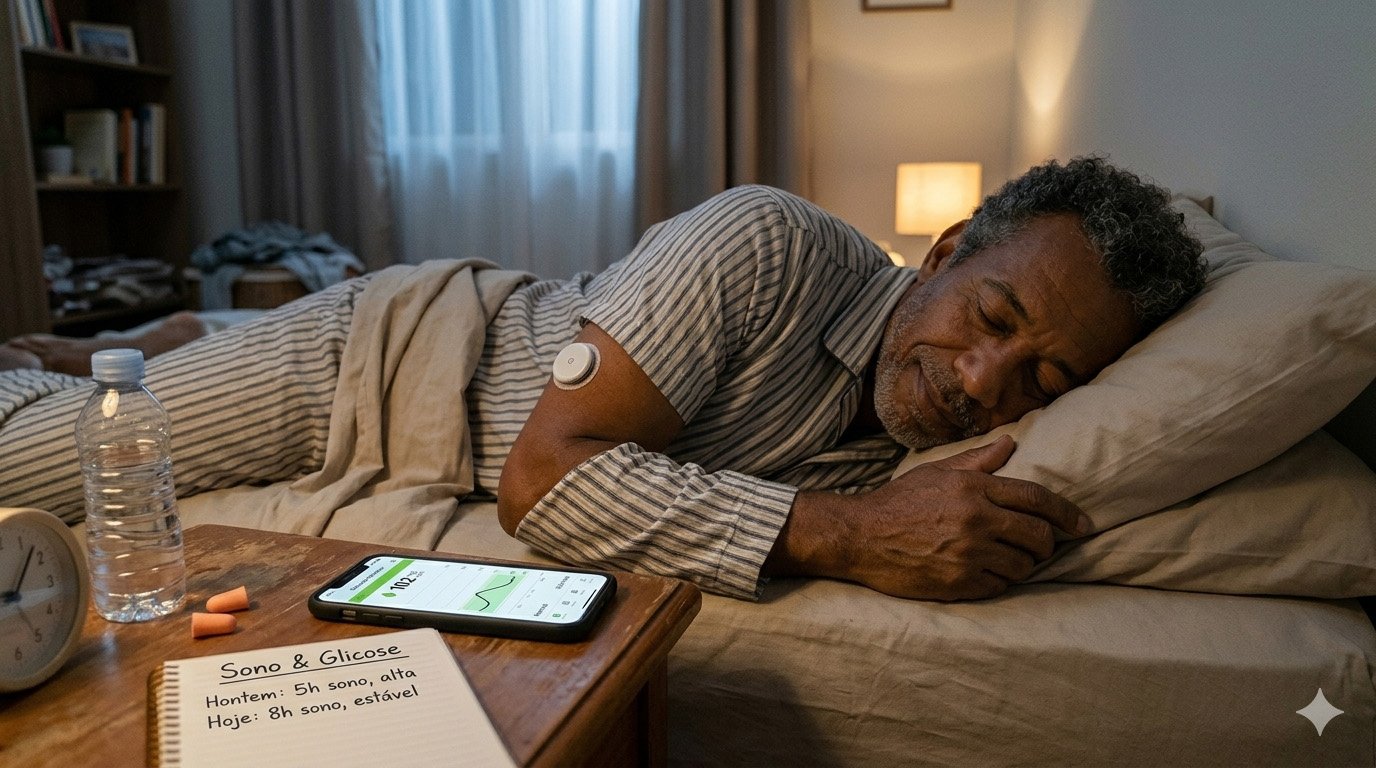
Why You Feel Tired Even After Sleeping: Understanding the Causes of Persistent Fatigue
Feeling tired even after a full night’s sleep is a common problem that affects energy, productivity, mood, and long-term health. Many people assume that fatigue is simply caused by not sleeping enough, but the reality is more complex. Sleep quality, metabolic health, hormone balance, stress levels, and underlying health conditions all influence how refreshed you feel after sleep.
Persistent fatigue can signal disruptions in systems discussed across Sleep Health, Metabolism, Hormone Health, Energy & Fatigue, and Heart Health. Understanding the root causes of ongoing tiredness is essential for restoring energy, improving performance, and protecting long-term health.
What Does It Mean to Feel Tired After Sleeping?
Feeling tired after sleeping refers to waking up without a sense of restoration or energy, even after spending enough time in bed. This condition is often linked to poor sleep quality rather than insufficient sleep duration.
Common experiences include:
- Waking up feeling exhausted
- Needing multiple alarms to get out of bed
- Feeling sleepy during the day
- Difficulty concentrating
- Low motivation or brain fog
- Persistent lack of energy
These symptoms often reflect underlying disruptions in recovery, metabolism, or sleep cycles.
The Difference Between Sleep Quantity and Sleep Quality
Sleep quantity refers to how many hours you sleep, while sleep quality refers to how restorative that sleep is. Someone can sleep for 7–9 hours but still feel tired if the body does not reach adequate deep sleep or REM sleep stages.
Poor sleep quality may involve:
- Frequent awakenings
- Shallow sleep
- Interrupted sleep cycles
- Reduced deep sleep
- Reduced REM sleep
Sleep quality is closely connected to systems discussed in Sleep Health.
Common Causes of Feeling Tired After Sleeping
Persistent fatigue usually results from multiple interacting factors rather than a single cause.
Poor Sleep Quality
Sleep disruptions can prevent the body from completing normal recovery cycles.
This may be caused by:
- Noise or light exposure
- Uncomfortable sleep environment
- Stress or anxiety
- Irregular sleep schedule
Poor sleep quality directly affects energy production and recovery.
Sleep Disorders
Sleep disorders can significantly reduce sleep efficiency.
Common sleep disorders include:
- Insomnia
- Sleep apnea
- Restless legs syndrome
- Circadian rhythm disorders
These conditions reduce oxygen delivery, disrupt sleep cycles, and impair recovery.
Stress and High Cortisol Levels
Chronic stress increases cortisol, the body’s primary stress hormone. Elevated cortisol can interfere with sleep depth and recovery.
Stress-related effects may include:
- Difficulty falling asleep
- Nighttime awakenings
- Light sleep
- Morning fatigue
Stress regulation is closely connected to systems discussed in Hormone Health.
Blood Sugar Imbalance
Fluctuating blood sugar levels can disrupt sleep and energy regulation.
Blood sugar instability may lead to:
- Nighttime awakenings
- Morning fatigue
- Cravings
- Low energy
Blood sugar regulation is closely connected to systems discussed in Blood Sugar.
Nutritional Deficiencies
Certain nutrients are essential for energy production and sleep regulation.
Deficiencies that may contribute to fatigue include:
- Iron
- Vitamin B12
- Magnesium
- Vitamin D
Nutrition plays a central role in energy balance discussed in Nutrition.
Dehydration
Even mild dehydration can reduce energy levels and impair cognitive function.
Dehydration may cause:
- Fatigue
- Headaches
- Reduced concentration
- Weakness
Hydration supports metabolic efficiency and circulation.
Hormonal Imbalance
Hormones regulate sleep, metabolism, and energy production.
Hormonal disruptions may involve:
- Thyroid hormones
- Cortisol
- Melatonin
- Insulin
Hormonal balance is closely connected to systems discussed in Hormone Health.
Poor Sleep Environment
Environmental conditions strongly influence sleep quality.
Sleep-disrupting factors may include:
- Excess light
- Noise
- High room temperature
- Uncomfortable mattress or pillow
Improving the sleep environment is one of the simplest ways to improve recovery.
Lack of Physical Activity
Physical inactivity reduces circulation and energy regulation.
Sedentary behavior may lead to:
- Reduced sleep quality
- Slower metabolism
- Increased fatigue
- Reduced endurance
Physical activity supports systems discussed in Heart Health and Energy & Fatigue.
Medical Disclaimer
This content is for informational purposes only and does not constitute medical advice. Always consult a qualified healthcare professional.
Editorial Transparency
This article was created following evidence-based health content guidelines and reviewed by the VitaCoreBalance Editorial Team.
Sources
1. National Institutes of Health (NIH) — Sleep Deprivation and Deficiency
Explica como a falta de sono e a má qualidade do sono afetam energia, metabolismo, humor e saúde cardiovascular.
2. Centers for Disease Control and Prevention (CDC) — Sleep and Sleep Disorders
Fonte oficial sobre causas comuns de fadiga, distúrbios do sono e impacto do sono na saúde geral.
3. Mayo Clinic — Fatigue: Causes and When to See a Doctor
Aborda causas médicas e comportamentais de cansaço persistente, incluindo sono, estresse e doenças metabólicas.
4. Cleveland Clinic — Why Am I Always Tired?
Explica fatores comuns por trás da fadiga contínua, como desidratação, deficiência nutricional e problemas hormonais.
5. Harvard Medical School — The Science of Sleep
Descreve o papel do sono na recuperação física, energia, função cognitiva e prevenção de doenças crônicas.
6. World Health Organization (WHO) — Sleep and Health
Destaca a importância do sono adequado para saúde metabólica, cardiovascular e qualidade de vida.