

Why Sleep Health Matters: Deep Sleep and Physical Recovery and Repair
VitaCoreBalance Editorial Team | Research-based health content • Editorial review process | March 2026
Deep sleep is the most restorative stage of the sleep cycle. During this phase, the body performs essential repair processes that support muscle recovery, immune strength, hormone regulation, and overall physical health. Without sufficient deep sleep, the body struggles to heal, recover from daily stress, and maintain long-term resilience.
Many people focus on total sleep time, but sleep quality — especially the amount of deep sleep — plays an equally important role. Even when someone sleeps for several hours, limited deep sleep can lead to fatigue, slower recovery, and increased vulnerability to illness.
Understanding how deep sleep supports physical recovery helps explain why consistent, high-quality sleep is essential for maintaining energy, strength, and overall health.
What Is Deep Sleep?
Deep sleep, also known as slow-wave sleep (SWS), is a stage of non-rapid eye movement (non-REM) sleep characterized by slow brain waves, reduced muscle activity, and deep physical relaxation.
During deep sleep:
- Brain waves slow significantly
- Heart rate and breathing decrease
- Muscles relax deeply
- Blood pressure drops
- The body enters repair mode
This stage typically occurs during the first half of the night and is considered the most physically restorative phase of sleep.
In healthy adults, deep sleep usually accounts for:
13% to 23% of total sleep time
Children and adolescents generally experience more deep sleep because their bodies are still growing and developing.
The Role of Deep Sleep in Physical Recovery
Deep sleep is when the body performs its most intensive repair processes. Tissues rebuild, muscles recover, and cellular damage is repaired. This stage is particularly important for individuals who engage in physical activity, experience stress, or are recovering from illness.
During deep sleep, the body:
- Repairs muscle tissue
- Restores energy reserves
- Rebuilds cells
- Strengthens the immune system
- Regulates inflammation
These processes help maintain physical strength and resilience.
Without enough deep sleep, recovery becomes slower and less efficient.
Deep Sleep and Muscle Repair
Muscle recovery depends heavily on deep sleep. During this stage, the body releases growth hormone, which supports tissue repair and muscle regeneration.
This process is essential for:
- Athletes and physically active individuals
- People recovering from injuries
- Daily muscle maintenance
- Strength development
- Physical endurance
Even moderate physical activity creates small amounts of muscle stress. Deep sleep allows the body to repair this stress and prepare for the next day.
Deep Sleep and the Immune System
Deep sleep supports immune function by helping the body produce and regulate immune cells that protect against infections.
Research shows that insufficient deep sleep can:
- Reduce immune response
- Increase inflammation
- Slow recovery from illness
- Increase susceptibility to infections
During deep sleep, the immune system releases protective proteins called cytokines, which help regulate inflammation and fight pathogens.
This is one reason why people often feel more tired when they are sick — the body needs additional deep sleep to support healing.
Deep Sleep and Hormone Regulation
Hormone balance depends strongly on deep sleep. Several essential hormones are released or regulated during this stage.
These include:
Growth hormone
Supports tissue repair and muscle recovery
Melatonin
Regulates sleep cycles
Cortisol
Controls stress response
Insulin
Regulates blood sugar levels
Disruptions in deep sleep can interfere with hormone balance, potentially affecting metabolism, energy levels, and overall health.
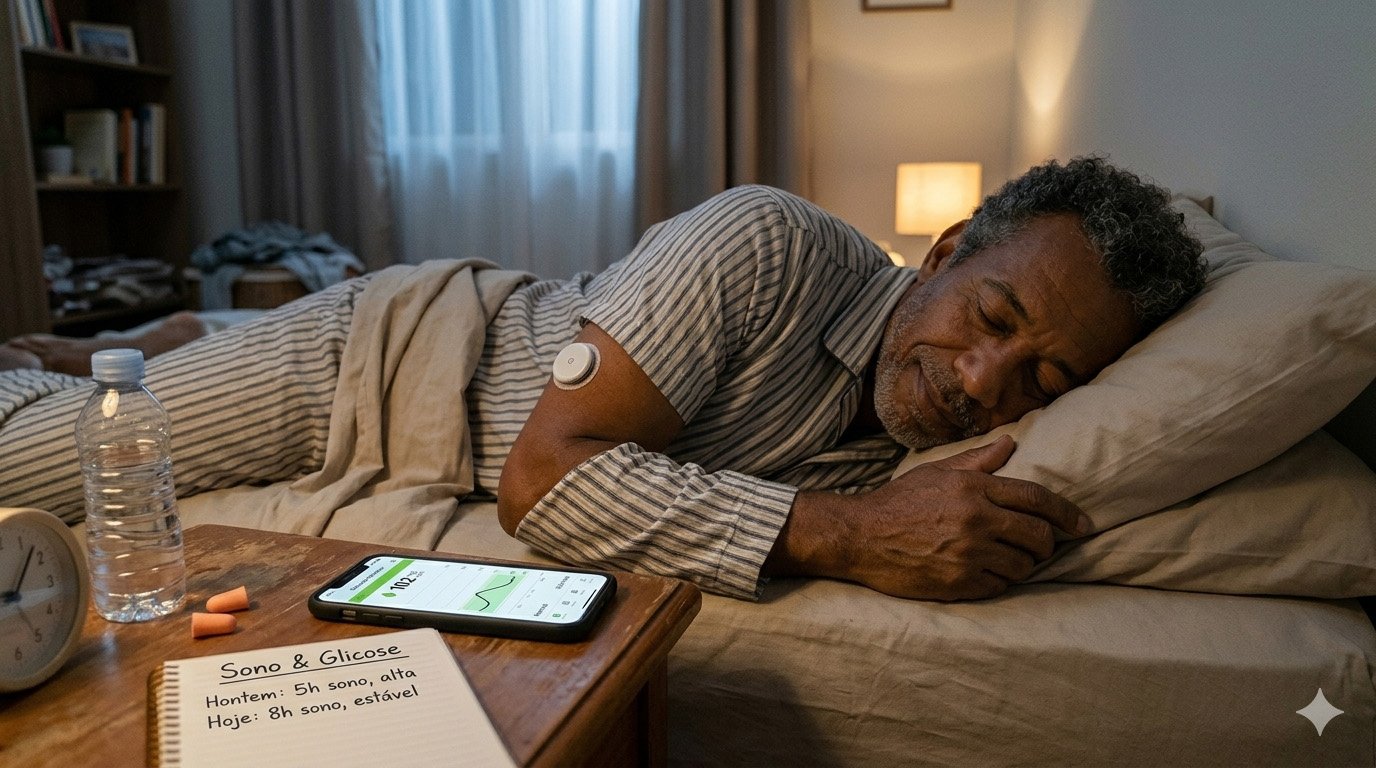
Why Deep Sleep Is Critical for Physical Repair
Deep sleep allows the body to shift from daily activity into recovery mode. This transition helps repair damage caused by physical effort, environmental stress, and normal cellular wear.
During deep sleep:
- Blood flow to muscles increases
- Tissue repair accelerates
- Energy stores are replenished
- Inflammation decreases
- The nervous system stabilizes
These changes help the body recover efficiently and maintain long-term health.
Signs You May Not Be Getting Enough Deep Sleep
Insufficient deep sleep can affect physical performance, recovery, and overall well-being.
Common signs include:
- Persistent fatigue
- Muscle soreness that lasts longer than usual
- Slower recovery after exercise
- Frequent illness
- Low energy levels
- Reduced physical performance
- Difficulty waking up feeling refreshed
These symptoms may occur even when total sleep time appears adequate.
Factors That Reduce Deep Sleep
Several lifestyle and environmental factors can interfere with deep sleep.
Stress and Anxiety
Chronic stress increases cortisol levels, which can disrupt deep sleep and reduce recovery.
Irregular Sleep Schedules
Inconsistent sleep patterns interfere with the body’s internal clock and reduce deep sleep quality.
Alcohol and Stimulants
Alcohol and caffeine can suppress deep sleep and fragment sleep cycles.
Sleep Disorders
Conditions such as insomnia, sleep apnea, and restless leg syndrome can reduce time spent in deep sleep.
How to Improve Deep Sleep Naturally
Improving deep sleep can significantly enhance physical recovery and overall health.
Maintain a Consistent Sleep Schedule
Going to bed and waking up at the same time each day helps regulate the sleep cycle.
Create a Sleep-Friendly Environment
A quiet, dark, and cool bedroom supports deeper sleep.
Recommended temperature:
18–20°C (64–68°F)
Limit Caffeine and Alcohol Before Bed
Reducing stimulant intake in the evening helps the body transition into deep sleep more easily.
Exercise Regularly
Physical activity supports deeper sleep and improves recovery.
Moderate exercise is particularly effective when performed earlier in the day.
Manage Stress Levels
Relaxation techniques can help the body enter deeper sleep stages.
Examples include:
- Deep breathing
- Meditation
- Stretching
- Reading
- Calm evening routines
The Bottom Line
Deep sleep is essential for physical recovery and repair. It supports muscle regeneration, immune function, hormone balance, and overall resilience. While total sleep time is important, the quality of sleep — particularly the amount of deep sleep — plays a critical role in maintaining energy, strength, and long-term health.
Prioritizing consistent sleep habits can help improve deep sleep and support faster recovery, stronger immunity, and better daily performance.
Medical Disclaimer
This content is for informational purposes only and does not constitute medical advice. Always consult a qualified healthcare professional.
Editorial Transparency
This article was created following evidence-based health content guidelines and reviewed by the VitaCoreBalance Editorial Team.
Sources
1. National Sleep Foundation — Deep Sleep and Physical Restoration
2. National Institutes of Health (NIH) — Growth Hormone and Sleep
3. Mayo Clinic — What Happens During Deep Sleep
4. American Academy of Sleep Medicine — Slow-Wave Sleep and Recovery
5. Journal of Clinical Endocrinology & Metabolism — Sleep and Hormone Release