

Causes of Poor Sleep and How to Fix It: Understanding the Root of Sleep Problems
VitaCoreBalance Editorial Team | Research-based health content • Editorial review process | March 2026
Poor sleep is one of the most common health challenges in modern life. Many people struggle with difficulty falling asleep, frequent awakenings, or waking up feeling unrefreshed. While occasional sleep disruption is normal, persistent poor sleep can affect energy levels, mental clarity, metabolism, and long-term health. Understanding the causes of poor sleep — and how to address them — is essential for improving recovery and overall well-being.
Sleep quality is closely connected to systems discussed across Sleep Health, Metabolism, and Hormone Health, while also influencing cardiovascular function and daily performance addressed in Heart Health and Energy & Fatigue. Because sleep affects nearly every biological system, identifying and correcting sleep problems can significantly improve health outcomes.
What Is Poor Sleep?
Poor sleep refers to sleep that is insufficient in quality, duration, or consistency to support normal physical and mental function. It may involve difficulty falling asleep, staying asleep, or achieving restorative sleep cycles.
Common characteristics of poor sleep include:
- Taking longer than 30 minutes to fall asleep
- Waking up frequently during the night
- Waking too early
- Feeling tired during the day
- Difficulty concentrating
- Low energy levels
These signs often indicate disrupted sleep recovery.
Common Causes of Poor Sleep
Sleep problems usually result from multiple interacting factors rather than a single cause.
Stress and Anxiety
Stress is one of the most common causes of poor sleep. When the body is under stress, cortisol levels rise, keeping the brain alert and delaying sleep.
Stress-related sleep problems may include:
- Difficulty falling asleep
- Restless sleep
- Nighttime awakenings
- Morning fatigue
Stress regulation supports hormonal balance discussed in Hormone Health.
Irregular Sleep Schedule
Inconsistent sleep timing disrupts the circadian rhythm — the body’s internal clock.
This may lead to:
- Difficulty falling asleep
- Reduced sleep efficiency
- Daytime fatigue
Circadian rhythm stability supports systems discussed in Sleep Health.
Excess Screen Time
Blue light exposure from electronic devices suppresses melatonin production.
This may cause:
- Delayed sleep onset
- Shorter sleep duration
- Reduced sleep quality
Light exposure directly affects hormonal regulation discussed in Hormone Health.
Poor Sleep Environment
Environmental conditions strongly influence sleep quality.
Sleep-disrupting factors may include:
- Noise
- Bright light
- High room temperature
- Uncomfortable bedding
Improving the sleep environment can significantly improve sleep quality.
Caffeine and Stimulants
Stimulants can interfere with the body’s ability to relax and fall asleep.
Common sources include:
- Coffee
- Tea
- Energy drinks
- Certain medications
Reducing stimulant intake supports better sleep timing.
Late Meals or Alcohol
Eating heavy meals or drinking alcohol close to bedtime can disrupt digestion and sleep cycles.
This may lead to:
- Nighttime awakenings
- Restless sleep
- Poor recovery
Nutrition plays an important role in sleep regulation discussed in Nutrition.
Lack of Physical Activity
Physical inactivity reduces sleep efficiency and energy regulation.
Sedentary behavior may lead to:
- Difficulty falling asleep
- Reduced deep sleep
- Increased fatigue
Physical activity supports cardiovascular stability discussed in Heart Health.
Underlying Medical Conditions
Certain health conditions can interfere with sleep.
Examples include:
- Sleep apnea
- Chronic pain
- Depression
- Thyroid disorders
Medical evaluation may be necessary when sleep problems persist.
How Poor Sleep Affects the Body
Chronic sleep problems can disrupt multiple biological systems.
Reduced Energy and Productivity
Poor sleep reduces physical and mental performance.
Effects may include:
- Fatigue
- Brain fog
- Reduced concentration
- Lower productivity
Energy regulation is closely connected to systems discussed in Energy & Fatigue.
Hormonal Imbalance
Sleep regulates hormones responsible for appetite, metabolism, and stress response.
Poor sleep may disrupt:
- Cortisol
- Melatonin
- Insulin
- Growth hormone
Hormonal balance is closely connected to systems discussed in Hormone Health.
Metabolic Dysfunction
Sleep affects metabolism and energy regulation.
Chronic sleep disruption may lead to:
- Weight gain
- Insulin resistance
- Reduced metabolic efficiency
Metabolic regulation is closely connected to systems discussed in Metabolism.
Increased Cardiovascular Risk
Poor sleep increases blood pressure and inflammation.
Long-term effects may include:
- Hypertension
- Heart disease
- Stroke
Cardiovascular health is closely connected to systems discussed in Heart Health.
Signs Your Sleep Problem Needs Attention
Sleep issues should be evaluated when symptoms persist.
Warning signs include:
- Ongoing fatigue
- Frequent nighttime awakenings
- Difficulty concentrating
- Mood changes
- Loud snoring
- Sleep problems lasting several weeks
Early intervention helps prevent long-term health complications.
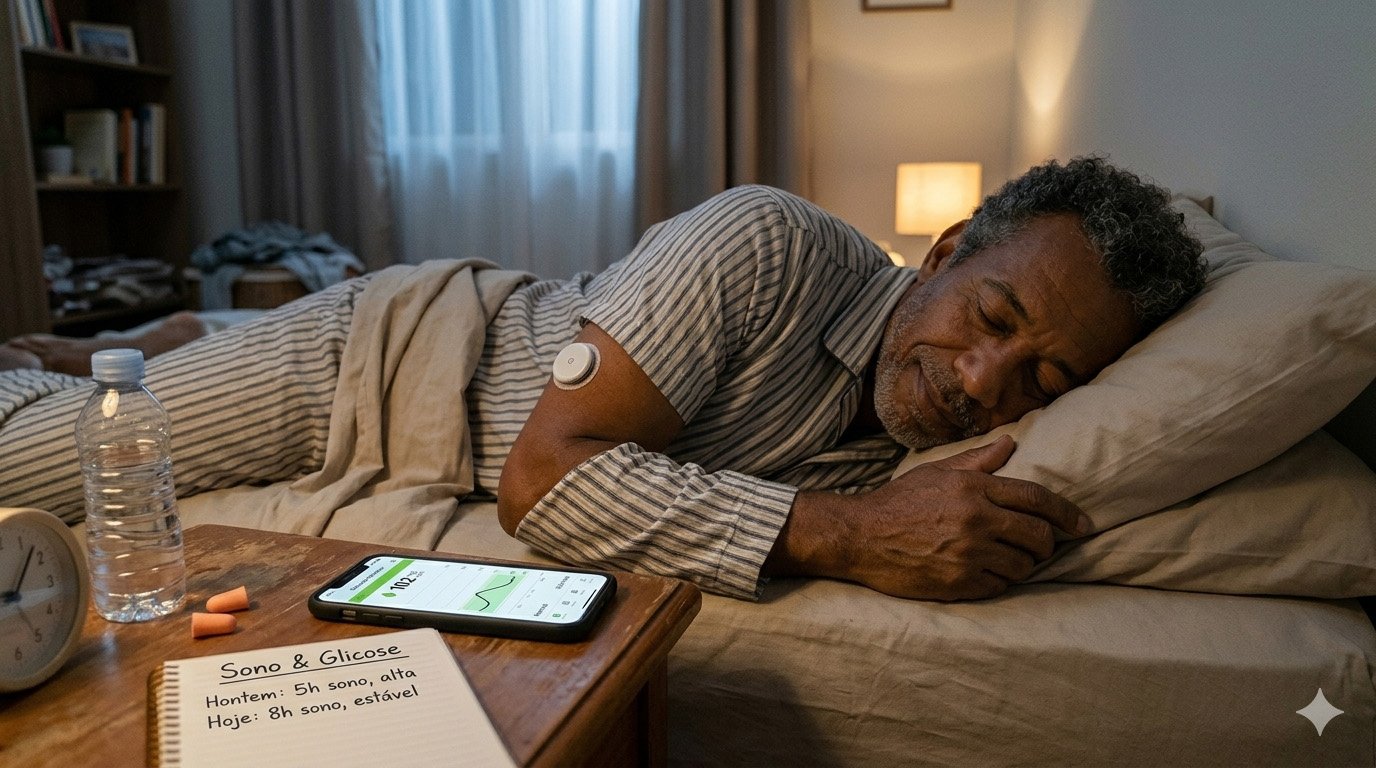
How to Fix Poor Sleep: Practical Strategies
Improving sleep usually involves simple, consistent changes in daily habits.
Maintain a Consistent Sleep Schedule
Going to bed and waking up at the same time each day helps regulate the circadian rhythm.
Benefits include:
- Improved sleep quality
- Faster sleep onset
- Stable energy levels
Consistency is one of the most effective sleep strategies.
Create a Relaxing Bedtime Routine
A calming routine signals the body that it is time to sleep.
Helpful activities include:
- Reading
- Stretching
- Meditation
- Warm shower
Relaxation supports nervous system regulation and sleep readiness.
Improve Your Sleep Environment
A comfortable environment supports deep sleep.
Helpful adjustments include:
- Keeping the room dark
- Maintaining a cool temperature
- Reducing noise
- Using comfortable bedding
Environmental control improves sleep efficiency.
Reduce Screen Use Before Bed
Limiting screen exposure allows melatonin production to increase naturally.
Helpful habits include:
- Turning off devices before bedtime
- Using dim lighting
- Choosing relaxing activities
These habits support hormone regulation discussed in Hormone Health.
Stay Physically Active
Regular exercise improves sleep quality and recovery.
Benefits include:
- Improved circulation
- Reduced stress
- Better sleep efficiency
Exercise supports systems discussed in Heart Health.
Manage Stress
Stress management helps regulate sleep timing.
Helpful strategies include:
- Deep breathing
- Mindfulness
- Gentle stretching
- Time management
Stress reduction improves sleep quality.
When to Seek Medical Help
Persistent sleep problems may require professional evaluation.
Consult a healthcare provider if you experience:
- Chronic insomnia
- Loud snoring
- Breathing interruptions during sleep
- Severe daytime fatigue
- Sleep problems lasting several weeks
Medical guidance can help identify underlying conditions.
Why Fixing Poor Sleep Matters
Sleep is essential for recovery, metabolism, hormone balance, and cardiovascular health. When sleep improves, energy levels stabilize, concentration improves, and disease risk decreases. Addressing sleep problems early can significantly improve long-term health.
Healthy sleep supports:
- Daily energy
- Mental clarity
- Stable metabolism
- Emotional balance
- Strong immune function
- Long-term health
Because sleep affects nearly every system in the body, improving sleep quality is one of the most effective steps for protecting overall health.
Final Thoughts
Poor sleep is often caused by manageable lifestyle factors. By identifying the root causes of sleep disruption and making targeted adjustments, most people can significantly improve sleep quality and daily energy levels.
Consistent routines, healthy habits, and a supportive sleep environment are the foundation of better sleep — and better health.
Medical Disclaimer
This content is for informational purposes only and does not constitute medical advice. Always consult a qualified healthcare professional.
Editorial Transparency
This article was created following evidence-based health content guidelines and reviewed by the VitaCoreBalance Editorial Team.
Sources
1. National Institutes of Health (NIH) — Sleep Deprivation and Deficiency
2. Centers for Disease Control and Prevention (CDC) — Sleep Hygiene Tips
3. Mayo Clinic — Insomnia: Symptoms and Causes
4. National Sleep Foundation — What Causes Poor Sleep?
5. Harvard Medical School — Improving Sleep: A Guide to a Good Night’s Rest