
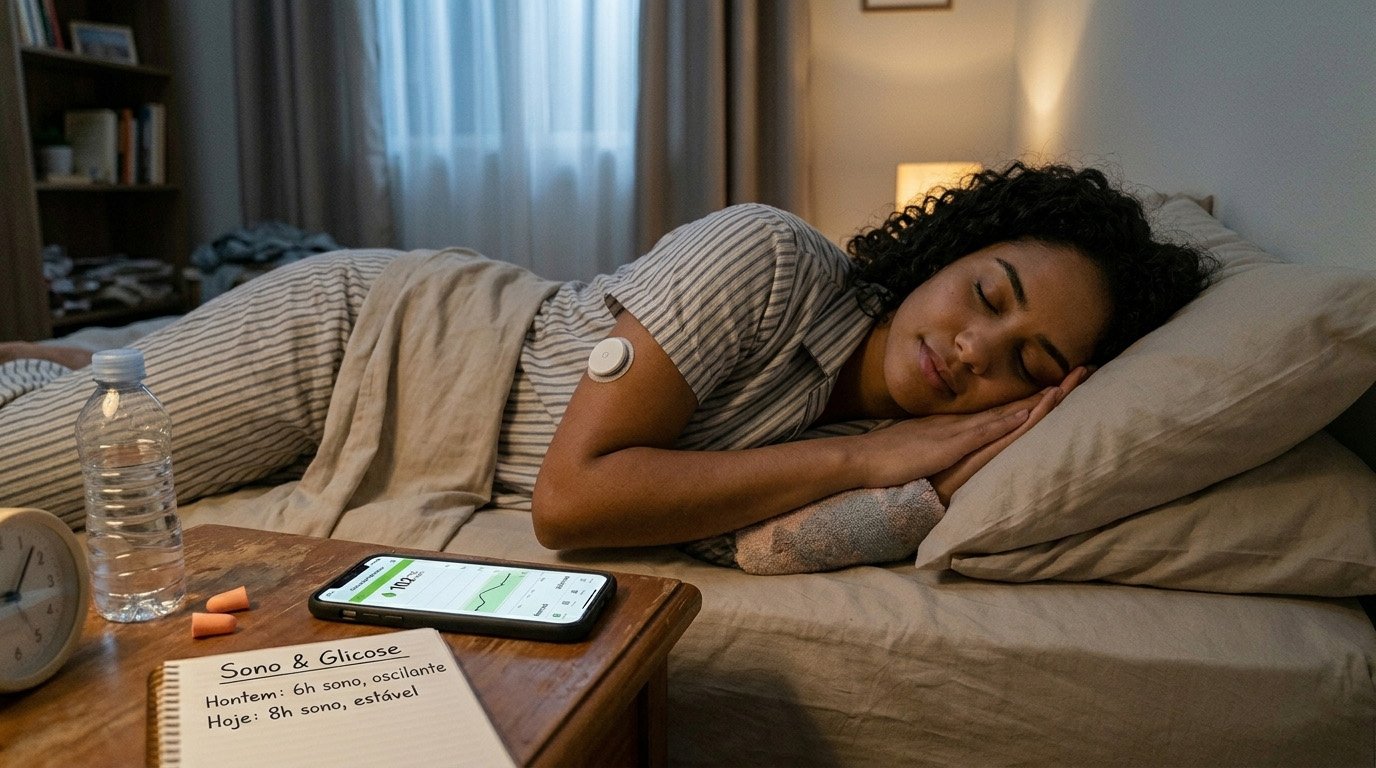
Blue Light and Sleep: What You Need to Know
VitaCoreBalance Editorial Team | Research-based health content • Editorial review process | March 2026
Introduction
Blue light is a type of visible light naturally emitted by the sun and artificially produced by digital devices such as smartphones, computers, televisions, and LED lighting. While blue light plays an important role in maintaining alertness and regulating circadian rhythm during the day, excessive exposure at night can significantly disrupt sleep.
Modern lifestyles have increased nighttime exposure to artificial light, especially from screens. This exposure interferes with the body’s natural sleep-wake cycle, making it harder to fall asleep and reducing sleep quality.
Research shows that blue light exposure before bedtime can:
- Suppress melatonin production
- Delay sleep onset
- Reduce sleep quality
- Disrupt circadian rhythm
- Increase nighttime alertness
Understanding how blue light affects sleep — and how to manage exposure — is essential for maintaining healthy sleep patterns and overall well-being.
What Is Blue Light?
Blue light is part of the visible light spectrum with short wavelengths and high energy. It is particularly effective at influencing the body’s biological clock because it strongly stimulates light-sensitive receptors in the eyes.
These receptors send signals to the brain’s master clock, known as the suprachiasmatic nucleus (SCN), which regulates circadian rhythm.
Common sources of blue light include:
Smartphones
Computers
Televisions
Tablets
LED lighting
Fluorescent lighting
Natural sunlight is the strongest source of blue light and plays a beneficial role during the day.
Daytime blue light helps:
Increase alertness
Improve mood
Enhance cognitive performance
Regulate circadian rhythm
Problems arise primarily when blue light exposure occurs late in the evening.
How Blue Light Affects Sleep
Blue light affects sleep mainly by interfering with melatonin production and circadian rhythm regulation.
Melatonin is the hormone that signals the body to prepare for sleep.
Exposure to blue light at night tells the brain that it is still daytime, delaying the release of melatonin.
This can lead to:
Difficulty falling asleep
Shorter sleep duration
Reduced sleep quality
Increased nighttime awakenings
Daytime fatigue
Even moderate screen exposure in the evening can shift the sleep schedule later.
Blue Light and Melatonin Suppression
Melatonin levels normally begin to rise in the evening as darkness increases.
Blue light exposure can suppress this natural process.
Studies show that nighttime exposure to bright screens can:
Delay melatonin release
Reduce melatonin levels
Shift sleep timing
Increase sleep latency
Reduce REM and deep sleep quality
The timing of light exposure is one of the most important factors influencing sleep readiness.
Blue Light and Circadian Rhythm Disruption
The circadian rhythm is the body’s internal 24-hour clock that regulates sleep, hormone release, metabolism, and body temperature.
Blue light exposure late at night can disrupt this system by signaling the brain to remain awake.
Chronic circadian rhythm disruption has been associated with:
Insomnia
Mood disorders
Metabolic problems
Reduced immune function
Cognitive impairment
Maintaining consistent light exposure patterns is essential for healthy sleep.
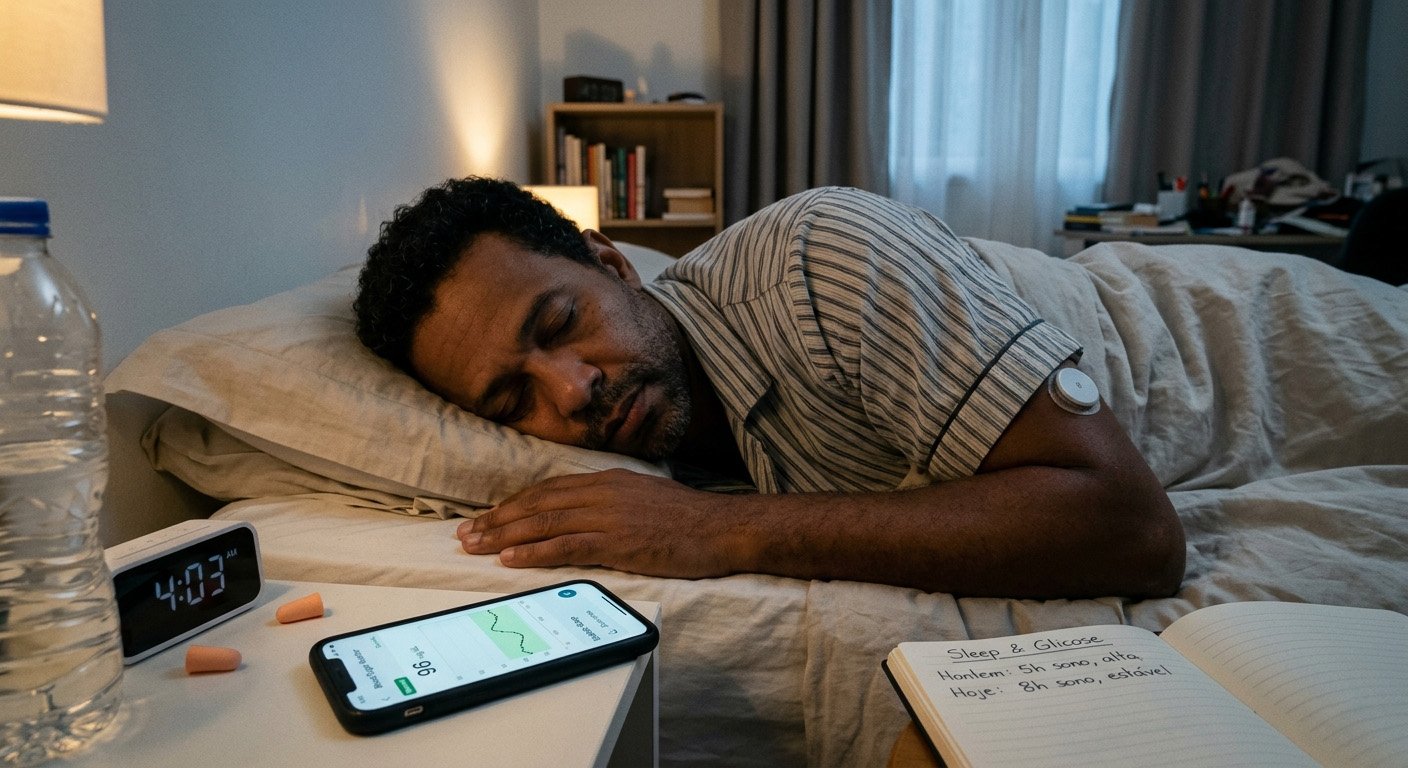
Signs Blue Light May Be Affecting Your Sleep
Common symptoms include:
Difficulty falling asleep
Feeling alert late at night
Frequent nighttime awakenings
Poor sleep quality
Morning fatigue
Eye strain
Headaches
Reduced concentration
Mood changes
These symptoms are increasingly common in individuals who use screens in the evening.
Who Is Most at Risk
Certain groups are more vulnerable to blue light-related sleep disruption.
These include:
Teenagers and young adults
Shift workers
Remote workers
Students
Gamers
Frequent travelers
People with insomnia
Children and adolescents are particularly sensitive because their eyes allow more blue light to reach the retina.
How to Reduce Blue Light Exposure Before Bed
Reducing nighttime light exposure is one of the most effective ways to improve sleep quality.
Limit Screen Use Before Bed
Avoid screens:
1 to 2 hours before bedtime
This allows melatonin production to rise naturally.
Use Night Mode or Blue Light Filters
Most devices include built-in blue light reduction settings.
Examples:
Night Shift (iPhone)
Night Light (Windows)
Blue light filter apps
These tools reduce blue light intensity in the evening.
Use Warm Lighting at Night
Replace bright white lights with:
Warm-colored bulbs
Dim lighting
Soft lamps
This helps signal the body that it is time to sleep.
Increase Daytime Light Exposure
Morning sunlight exposure helps regulate circadian rhythm and improves sleep readiness at night.
Recommended:
10 to 30 minutes of morning sunlight
Maintain Consistent Sleep Timing
Going to bed and waking up at the same time every day strengthens circadian rhythm stability.
Consistency is one of the most powerful sleep regulators.
Are Blue Light Blocking Glasses Effective?
Blue light blocking glasses are designed to filter wavelengths that suppress melatonin.
Research suggests they may:
Improve sleep onset
Increase melatonin levels
Reduce nighttime alertness
Improve sleep quality
They can be useful for individuals who must use screens at night.
However, reducing screen exposure remains the most effective strategy.
Long-Term Health Effects of Excessive Blue Light Exposure
Chronic sleep disruption caused by nighttime light exposure has been associated with long-term health risks.
These include:
Insomnia
Depression
Anxiety
Obesity
Type 2 diabetes
Cardiovascular disease
Reduced cognitive performance
Weakened immune function
Protecting sleep from excessive light exposure is an important part of preventive health.
Conclusion
Blue light plays an essential role in daytime alertness and circadian rhythm regulation, but excessive exposure at night can significantly disrupt sleep.
By suppressing melatonin, delaying sleep onset, and reducing sleep quality, nighttime blue light exposure has become one of the most common contributors to sleep problems in modern society.
Simple behavioral changes — such as reducing screen time before bed, using warm lighting, and maintaining consistent sleep schedules — can significantly improve sleep quality and overall health.
Managing light exposure is one of the most practical and effective strategies for protecting sleep.
Medical Disclaimer
This content is for informational purposes only and does not constitute medical advice. Always consult a qualified healthcare professional.
Editorial Transparency
This article was created following evidence-based health content guidelines and reviewed by the VitaCoreBalance Editorial Team.
Scientific Sources
- Chang AM et al. (2015). Evening use of light-emitting eReaders negatively affects sleep, circadian timing, and next-morning alertness
- Harvard Health Publishing — Blue light has a dark side
- Cajochen C et al. (2011). Evening exposure to LED-backlit computer screens affects circadian physiology and cognitive performance
- National Sleep Foundation — How Blue Light Affects Sleep
- American Academy of Sleep Medicine — Electronic Devices and Sleep
- National Institute of General Medical Sciences (NIH) — Circadian Rhythms