
Chronic Diseases: The Silent Global Epidemic
Understanding How Conditions Like Heart Disease, Diabetes, and Obesity Dominate Modern Mortality Rates
VitaCoreBalance Editorial Team | Research-based health content • Editorial review process | March 2026
Chronic diseases have become the defining health challenge of the modern era. Unlike infectious outbreaks that capture headlines with sudden crises, chronic conditions advance quietly—often developing over years or decades before manifesting as life-threatening complications. This slow progression has earned them a fitting description: the silent global epidemic.
Today, chronic diseases are responsible for the majority of deaths worldwide. They shape healthcare systems, influence economic productivity, and determine the quality of life for billions of people. Yet despite their prevalence, many individuals underestimate their risk—particularly because these conditions often begin without obvious symptoms.
Understanding the mechanisms, causes, and prevention strategies behind chronic diseases is essential not only for public health but for personal longevity and long-term well-being.
What Are Chronic Diseases?
Chronic diseases are long-lasting conditions that typically develop gradually and persist for months or years. They are rarely cured completely but can often be managed effectively with lifestyle changes, medical treatment, and preventive care.
The defining characteristics of chronic diseases include:
- Slow progression
- Long duration
- Ongoing management rather than cure
- Strong association with lifestyle and environmental factors
- Increased risk with aging
Common examples include:
- Cardiovascular disease
- Type 2 diabetes
- Obesity
- Hypertension
- Chronic respiratory diseases
- Cancer
- Arthritis
- Chronic kidney disease
These conditions share a critical feature: they are largely preventable.
Cardiovascular Disease: The Leading Cause of Death Worldwide
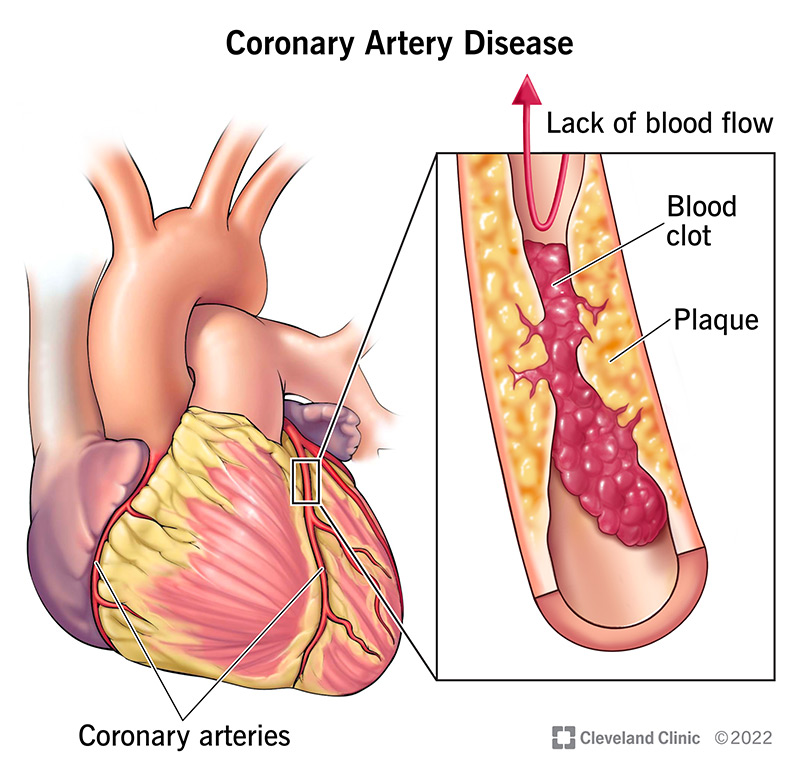

Cardiovascular disease (CVD) remains the leading cause of death globally, responsible for more fatalities than any other category of illness. It includes conditions affecting the heart and blood vessels, most notably:
- Coronary artery disease
- Heart attack (myocardial infarction)
- Stroke
- Heart failure
- Peripheral artery disease
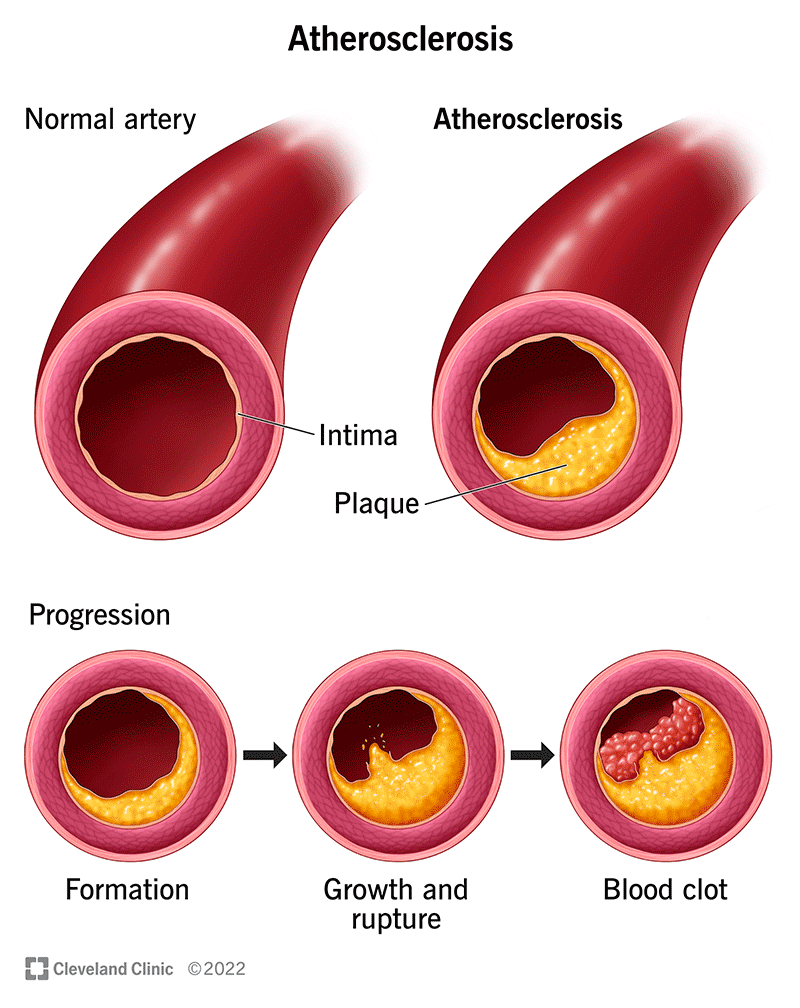
The underlying mechanism in many cases is atherosclerosis, a process in which fatty deposits accumulate inside arteries, gradually restricting blood flow.
Key Risk Factors
Major contributors to cardiovascular disease include:
- High blood pressure
- High cholesterol
- Smoking
- Sedentary lifestyle
- Poor diet
- Obesity
- Diabetes
- Chronic stress
Many of these factors are modifiable, making prevention both possible and highly effective.
Type 2 Diabetes: A Metabolic Disorder on the Rise

Type 2 diabetes has increased dramatically over the past few decades, closely paralleling the global rise in obesity and sedentary lifestyles. It is characterized by insulin resistance, a condition in which the body’s cells respond poorly to insulin, leading to elevated blood glucose levels.
Over time, uncontrolled diabetes can damage:
- Blood vessels
- Nerves
- Kidneys
- Eyes
- Heart
This explains why diabetes significantly increases the risk of cardiovascular disease—the leading cause of death among people with diabetes.
Early Warning Signs
Many individuals remain undiagnosed for years. Common early symptoms include:
- Frequent urination
- Excessive thirst
- Fatigue
- Blurred vision
- Slow wound healing
- Increased hunger
However, some people experience no noticeable symptoms until complications develop.
Obesity: The Central Driver of Modern Chronic Disease
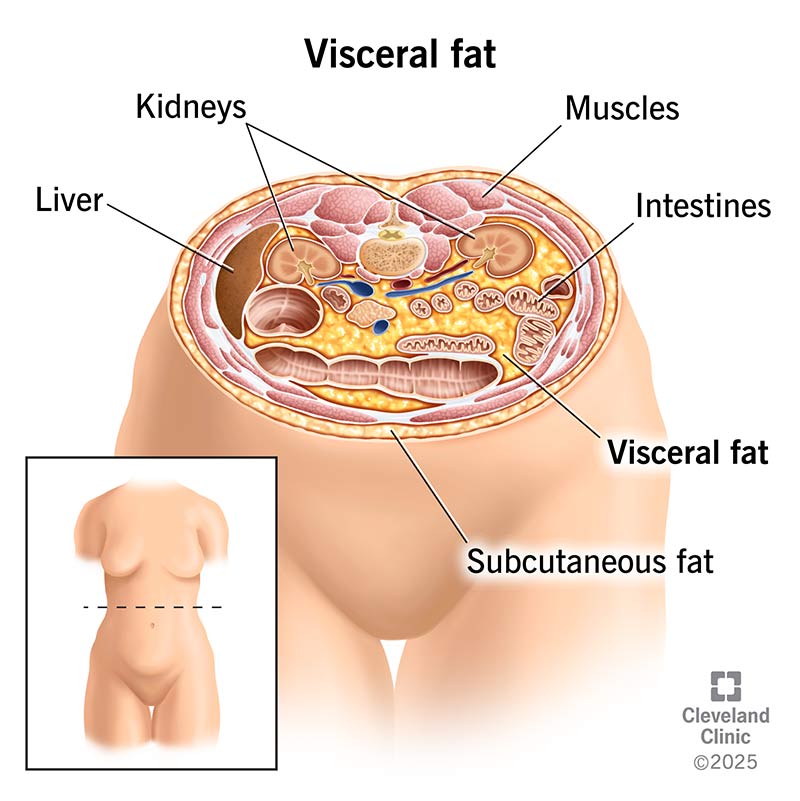

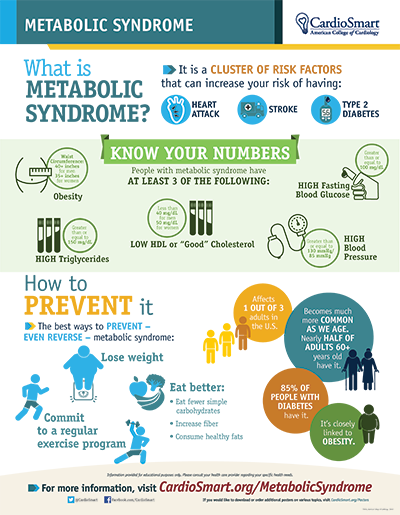
Obesity is not merely a cosmetic concern—it is a complex metabolic condition that dramatically increases the risk of multiple chronic diseases.
Excess body fat, particularly visceral fat stored around abdominal organs, triggers chronic low-grade inflammation throughout the body. This inflammatory state disrupts metabolic processes and contributes to:
- Insulin resistance
- High blood pressure
- High cholesterol
- Hormonal imbalance
- Increased risk of cancer
Why Obesity Matters
Obesity is strongly associated with:
- Heart disease
- Type 2 diabetes
- Stroke
- Sleep apnea
- Joint degeneration
- Liver disease
In many ways, obesity functions as a root cause of modern chronic disease.
Why Chronic Diseases Are Increasing Globally
The rise in chronic disease is not random. It reflects profound changes in how humans live, work, and eat.
1) Sedentary Lifestyle
Modern environments encourage inactivity:
- Desk-based jobs
- Screen time
- Reduced physical labor
- Increased transportation use
Physical inactivity alone is a major risk factor for premature death.
2) Ultra-Processed Diets
Many modern diets are dominated by:
- Refined carbohydrates
- Added sugars
- Saturated and trans fats
- Highly processed foods
- Excess sodium
These dietary patterns contribute to:
- Obesity
- Hypertension
- Metabolic dysfunction
- Inflammation
3) Aging Populations
As life expectancy increases, so does the prevalence of chronic disease. Aging is associated with:
- Reduced metabolic efficiency
- Accumulated cellular damage
- Increased inflammation
- Declining organ function
Chronic diseases become more common simply because people live longer.
4) Chronic Stress
Long-term stress affects nearly every physiological system.
Persistent stress can:
- Raise blood pressure
- Increase inflammation
- Disrupt sleep
- Promote unhealthy behaviors
- Impair immune function
Stress is now recognized as a major contributor to chronic disease risk.
The Economic and Social Burden of Chronic Disease
Chronic diseases do not affect individuals alone—they reshape societies.
Their impact includes:
- Rising healthcare costs
- Reduced workforce productivity
- Increased disability
- Long-term medication dependence
- Strain on healthcare systems
In many countries, chronic disease accounts for:
- Most hospital admissions
- Most healthcare spending
- Most premature deaths
This is why public health experts describe chronic disease as a global epidemic.
The Role of Inflammation: A Hidden Mechanism
One of the most important biological drivers of chronic disease is chronic inflammation.
Unlike acute inflammation—which helps fight infections—chronic inflammation persists silently and damages tissues over time.
It is linked to:
- Heart disease
- Diabetes
- Obesity
- Cancer
- Neurodegenerative diseases
Common triggers include:
- Poor diet
- Smoking
- Lack of exercise
- Sleep deprivation
- Environmental toxins
- Psychological stress
Reducing inflammation is now considered a central strategy in preventing chronic disease.
Prevention: The Most Powerful Medicine
The encouraging reality is that many chronic diseases are preventable.
Research consistently shows that lifestyle changes can dramatically reduce risk—even in individuals with genetic predisposition.
Core Prevention Strategies
Evidence-based prevention focuses on:
Regular physical activity
- At least 150 minutes per week of moderate exercise
Healthy nutrition
- Whole foods
- Vegetables and fruits
- Lean proteins
- Healthy fats
- Fiber-rich carbohydrates
Weight management
Maintaining a healthy body composition reduces risk across multiple diseases.
Sleep optimization
Adults typically need:
7–9 hours per night
Stress management
Examples include:
- Meditation
- Breathing exercises
- Physical activity
- Social connection
Routine health screening
Early detection dramatically improves outcomes.
The Future of Chronic Disease Prevention
Healthcare is shifting from treatment to prevention.
Emerging trends include:
- Personalized medicine
- Wearable health technology
- Continuous glucose monitoring
- Preventive nutrition
- Lifestyle medicine
- Early risk detection
These innovations aim to identify risk earlier—before disease develops.
Final Perspective: The Silent Epidemic That Shapes Modern Life
Chronic diseases rarely arrive suddenly. They develop slowly, often invisibly, shaped by daily habits accumulated over years.
This is why they dominate modern mortality statistics.
They are:
- Widespread
- Long-lasting
- Expensive
- Often preventable
Understanding chronic disease is not simply a medical concern—it is a survival strategy for modern life.
The most powerful interventions are rarely dramatic. They are consistent, everyday decisions repeated over time.
Small habits, sustained long enough, become the difference between illness and longevity.