
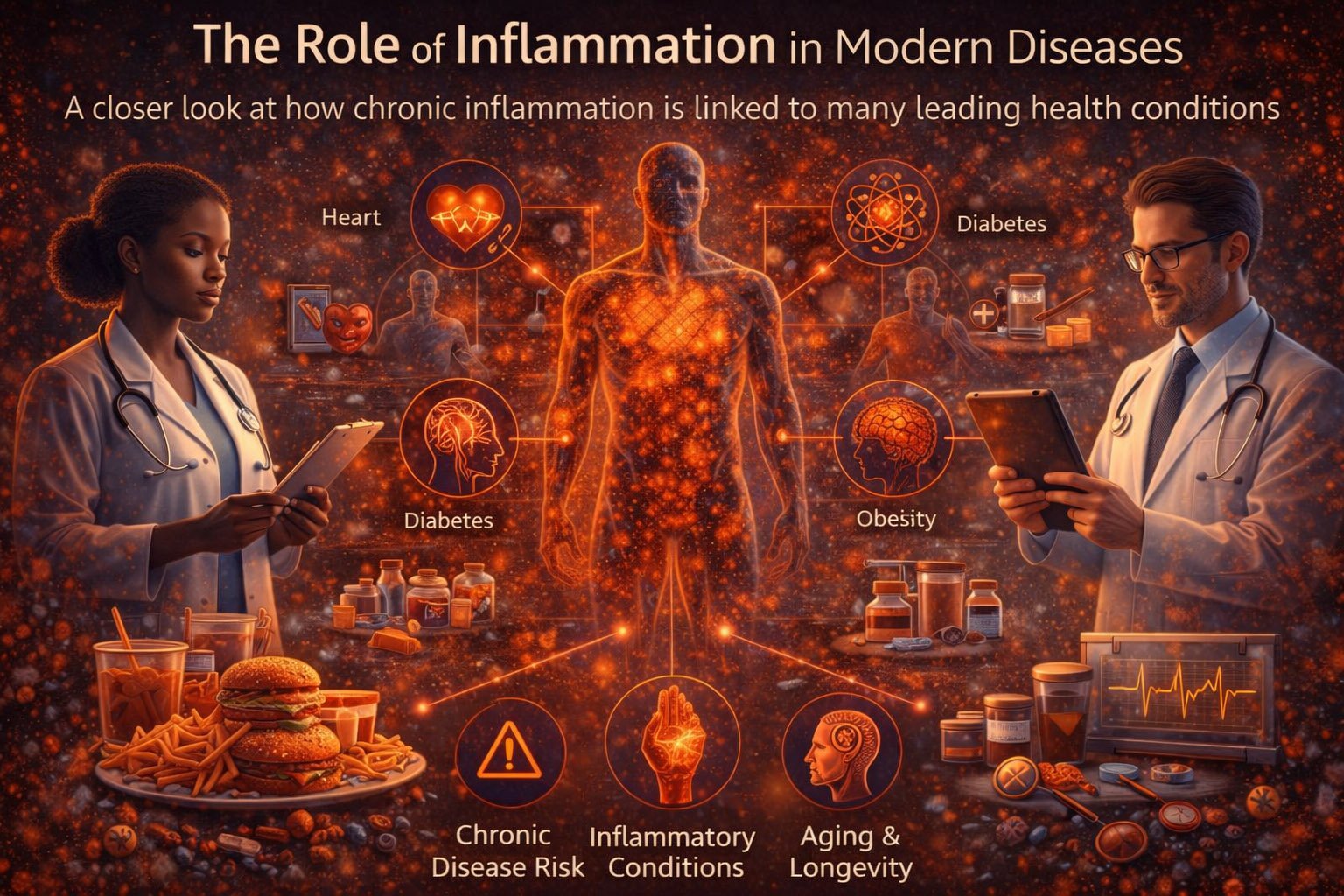
The Role of Inflammation in Modern Diseases
A Closer Look at How Chronic Inflammation Is Linked to Many of Today’s Leading Health Conditions
VitaCoreBalance Editorial Team | Research-based health content • Editorial review process | March 2026
Inflammation is one of the body’s most essential defense mechanisms. It protects against infection, repairs damaged tissue, and supports immune function. Without inflammation, survival would be impossible. Yet when inflammation becomes chronic—persisting long after the initial threat has passed—it transforms from a protective response into a destructive force.
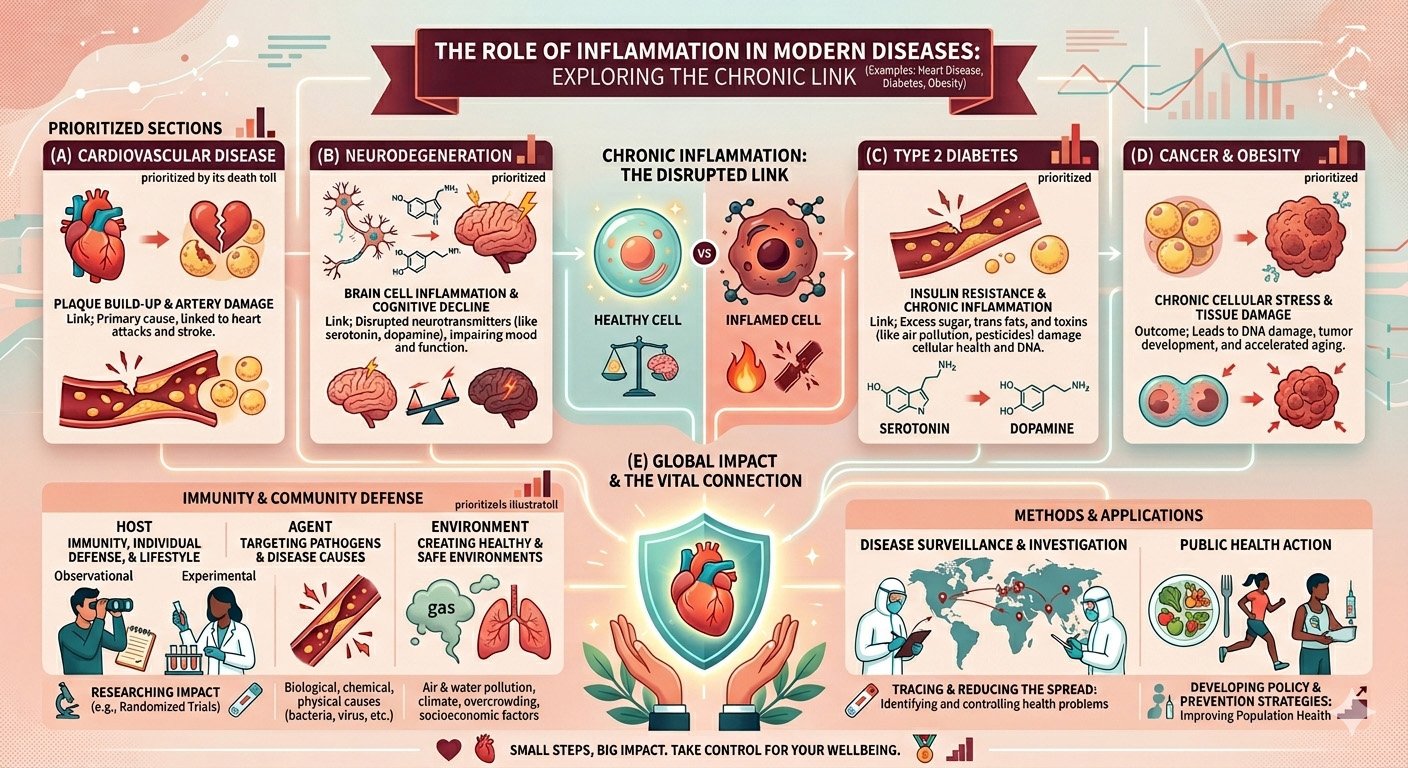
Today, chronic inflammation is increasingly recognized as a central driver of many of the world’s most common diseases. Conditions such as cardiovascular disease, type 2 diabetes, obesity, cancer, and neurodegenerative disorders are now understood to share a common biological thread: persistent, low-grade inflammation.
This realization has reshaped modern medicine. Rather than viewing diseases as isolated conditions, researchers now see inflammation as a unifying mechanism linking lifestyle, aging, and long-term health outcomes.
Understanding inflammation is therefore not just a scientific concern—it is a practical strategy for preventing disease and improving longevity.
What Is Inflammation?
Inflammation is the body’s natural response to injury, infection, or harmful stimuli. It is part of the immune system’s effort to restore balance and protect tissues.
There are two primary types of inflammation:
Acute Inflammation
Acute inflammation is short-term and protective.
Examples include:
- A cut or wound
- Infection
- Muscle injury
- Fever
- Tissue damage
Symptoms typically include:
- Redness
- Swelling
- Heat
- Pain
- Loss of function
This response is essential for healing.
Chronic Inflammation
Chronic inflammation is long-term and often invisible.
It can persist for months or years, gradually damaging tissues and organs without obvious symptoms.
This type of inflammation is strongly associated with:
- Cardiovascular disease
- Type 2 diabetes
- Obesity
- Arthritis
- Cancer
- Alzheimer’s disease
- Autoimmune disorders
Chronic inflammation is often called silent inflammation because it develops slowly and quietly.
Why Chronic Inflammation Is Increasing
Modern lifestyles have introduced multiple triggers that promote persistent inflammation.
These include:
Poor Diet
Highly processed foods can stimulate inflammatory responses.
Common contributors include:
- Excess sugar
- Refined carbohydrates
- Trans fats
- Processed meats
- Low fiber intake
These dietary patterns are strongly associated with metabolic dysfunction and chronic disease.
Physical Inactivity
Sedentary behavior reduces metabolic efficiency and promotes inflammation.
Lack of physical activity is linked to:
- Obesity
- Insulin resistance
- Cardiovascular disease
- Reduced immune function
Regular movement helps regulate inflammatory pathways.
Chronic Stress
Stress activates hormonal responses that increase inflammation.
Long-term stress can:
- Raise cortisol levels
- Disrupt immune balance
- Increase blood pressure
- Promote metabolic dysfunction
Stress is now recognized as a significant contributor to inflammatory disease.
Sleep Deprivation
Sleep plays a critical role in immune regulation.
Poor sleep can:
- Increase inflammatory markers
- Impair tissue repair
- Disrupt metabolism
- Raise disease risk
Sleep is therefore a key component of inflammatory control.
The Biological Mechanism Behind Chronic Inflammation
Chronic inflammation involves continuous activation of the immune system.
Immune cells release signaling molecules called cytokines, which coordinate the inflammatory response.
When this process becomes dysregulated:
- Immune activity remains elevated
- Tissues experience ongoing stress
- Cellular damage accumulates
- Disease risk increases
Over time, this persistent immune activation can lead to organ dysfunction.
Inflammation and Cardiovascular Disease
Chronic inflammation plays a major role in the development of heart disease.
It contributes to:
- Damage to blood vessel walls
- Formation of arterial plaques
- Reduced blood flow
- Increased risk of heart attack and stroke
Inflammation is now considered a key factor in atherosclerosis—the buildup of fatty deposits inside arteries.
Inflammation and Type 2 Diabetes
Inflammation interferes with insulin signaling.
This disruption leads to:
- Insulin resistance
- Elevated blood sugar
- Increased fat storage
- Metabolic dysfunction
Over time, these changes increase the risk of type 2 diabetes and related complications.
Inflammation and Obesity
Body fat—especially visceral fat—acts as an active metabolic organ.
Fat tissue releases inflammatory molecules that:
- Increase insulin resistance
- Disrupt hormonal balance
- Promote metabolic disease
- Raise cardiovascular risk
This explains why obesity is strongly associated with chronic inflammation.
Inflammation and Aging
Aging is closely linked to gradual increases in inflammatory activity.
Scientists sometimes refer to this process as:
Inflammaging
This term describes the slow accumulation of inflammation over time.
Inflammation contributes to:
- Tissue degeneration
- Reduced immune function
- Cognitive decline
- Muscle loss
- Increased disease risk
Controlling inflammation is therefore a major factor in healthy aging.
Common Symptoms of Chronic Inflammation
Chronic inflammation does not always produce obvious symptoms, but common signs may include:
- Persistent fatigue
- Joint pain
- Digestive problems
- Frequent infections
- Brain fog
- Mood changes
- Slow recovery from illness
- Unexplained weight gain
These symptoms are often subtle and develop gradually.
Conditions Linked to Chronic Inflammation
Research has identified strong connections between chronic inflammation and many major health conditions.
These include:
- Heart disease
- Type 2 diabetes
- Obesity
- Stroke
- Cancer
- Alzheimer’s disease
- Arthritis
- Autoimmune disorders
- Chronic kidney disease
- Metabolic syndrome
This wide range of conditions highlights inflammation’s central role in modern disease.
How Lifestyle Influences Inflammation
Inflammation is highly responsive to daily behavior.
Small lifestyle changes can significantly reduce inflammatory activity over time.
Nutrition
Diet has a powerful influence on inflammation.
Foods associated with lower inflammation include:
- Fruits and vegetables
- Whole grains
- Nuts and seeds
- Fatty fish
- Olive oil
- Fiber-rich foods
Foods associated with higher inflammation include:
- Sugary beverages
- Processed foods
- Refined carbohydrates
- Excess alcohol
- Trans fats
Physical Activity
Exercise reduces inflammatory markers and improves immune regulation.
Benefits include:
- Improved metabolic health
- Reduced body fat
- Better cardiovascular function
- Enhanced immune response
Even moderate physical activity can lower inflammation levels.
Sleep
Adequate sleep helps regulate immune function and repair tissues.
Healthy sleep patterns support:
- Hormonal balance
- Metabolic regulation
- Immune stability
- Reduced inflammation
Stress Management
Managing stress helps control inflammatory responses.
Effective strategies include:
- Physical activity
- Meditation
- Breathing exercises
- Social connection
- Time outdoors
These practices support both mental and physical health.
The Long-Term Impact of Chronic Inflammation
Persistent inflammation gradually damages tissues and organs.
Over time, it increases the risk of:
- Cardiovascular disease
- Metabolic disorders
- Neurodegenerative conditions
- Reduced lifespan
- Functional decline
This cumulative effect explains why inflammation is often described as a root cause of modern disease.
The Future of Inflammation Research
Advances in medicine are improving our understanding of inflammation.
Emerging areas of research include:
- Anti-inflammatory nutrition
- Microbiome health
- Personalized medicine
- Biomarkers of inflammation
- Preventive healthcare
- Lifestyle medicine
These developments aim to identify inflammation earlier and reduce disease risk before symptoms appear.
Final Perspective
Inflammation is both a protector and a potential threat.
When properly regulated, it supports healing and survival. When persistent and uncontrolled, it becomes a driving force behind many of today’s most common diseases.
Modern health challenges—from heart disease to diabetes to aging—are increasingly understood through the lens of chronic inflammation.
Managing inflammation is therefore not a single intervention but a long-term strategy shaped by daily habits. Over time, consistent lifestyle choices can transform inflammation from a silent risk into a controllable factor in health and longevity.
Medical Disclaimer
This content is for informational purposes only and does not constitute medical advice. Always consult a qualified healthcare professional.
Editorial Transparency
This article was created following evidence-based health content guidelines and reviewed by the VitaCoreBalance Editorial Team.
Sources
1. Harvard Health Publishing — Understanding Inflammation and Its Role in Disease
https://www.health.harvard.edu/staying-healthy/understanding-inflammation
2. National Institute on Aging (NIA) — Chronic Inflammation and Aging
https://www.nia.nih.gov/health/chronic-inflammation
3. Cleveland Clinic — Inflammation: What It Is, Causes, Symptoms, and Treatment
https://my.clevelandclinic.org/health/symptoms/21660-inflammation
4. Centers for Disease Control and Prevention (CDC) — Chronic Diseases in America
https://www.cdc.gov/chronicdisease/about/index.htm
5. National Institute of Environmental Health Sciences (NIEHS) — Inflammation and Chronic Disease
https://www.niehs.nih.gov/health/topics/conditions/inflammation
6. World Health Organization (WHO) — Noncommunicable Diseases Overview
https://www.who.int/health-topics/noncommunicable-diseases