
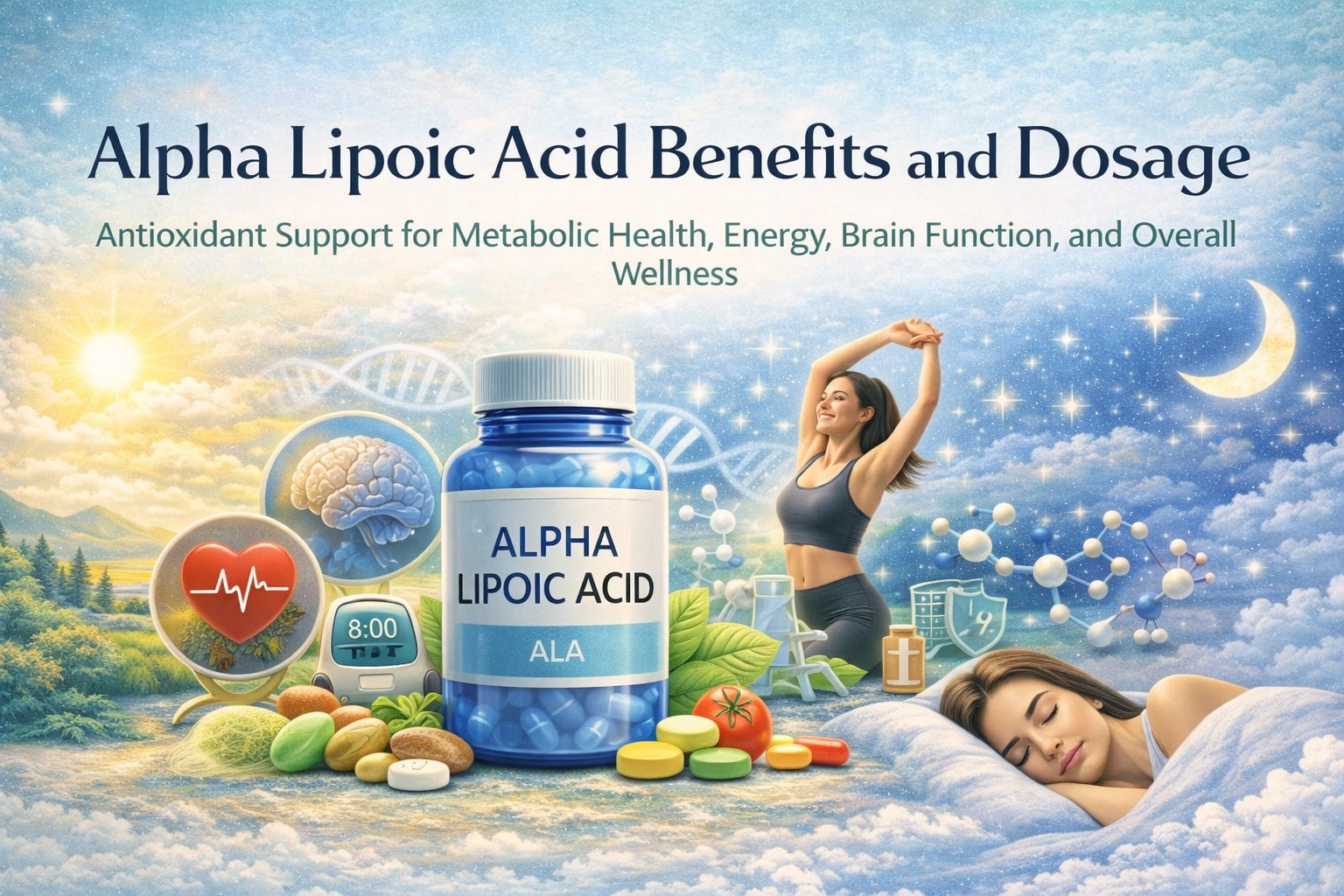
Alpha Lipoic Acid Benefits and Dosage
VitaCoreBalance Editorial Team | Research-based health content · Editorial review process | March 2026
Alpha Lipoic Acid is a naturally occurring antioxidant compound widely used to support metabolic health, cellular energy production, and nerve function. Although small amounts are produced in the body and found in certain foods, modern lifestyle factors such as poor diet, aging, and metabolic stress may contribute to reduced antioxidant capacity in some individuals.
Antioxidant Support for Metabolic Health, Energy, Brain Function, and Overall Wellness
Alpha lipoic acid (ALA) is a naturally occurring compound that plays an essential role in energy production and cellular protection. It functions as a powerful antioxidant and supports metabolic processes, nerve function, and overall cellular health.
ALA is unique among antioxidants because it works in both water- and fat-soluble environments, allowing it to support multiple systems in the body. It is commonly used to support metabolic health, brain function, cardiovascular health, and energy production, and it may also contribute to healthy aging and cellular resilience.
Understanding how alpha lipoic acid works, who may benefit from supplementation, and how to use it safely can help individuals make informed decisions about incorporating it into their health routines.
What Is Alpha Lipoic Acid?
Alpha lipoic acid is a naturally produced compound found in small amounts in the body and in certain foods. It plays a central role in mitochondrial energy production, where nutrients are converted into usable energy.
ALA also supports antioxidant activity by helping neutralize free radicals and regenerate other antioxidants, such as:
- Vitamin C
- Vitamin E
- Glutathione
Because of these functions, alpha lipoic acid supports:
- Cellular energy production
- Metabolic function
- Nervous system health
- Cardiovascular health
- Immune response
- Healthy aging
Food sources of alpha lipoic acid include:
- Spinach
- Broccoli
- Organ meats
- Tomatoes
- Brussels sprouts
However, the amounts found in food are relatively small, and supplementation is commonly used when targeted support is desired.
Benefits of Alpha Lipoic Acid
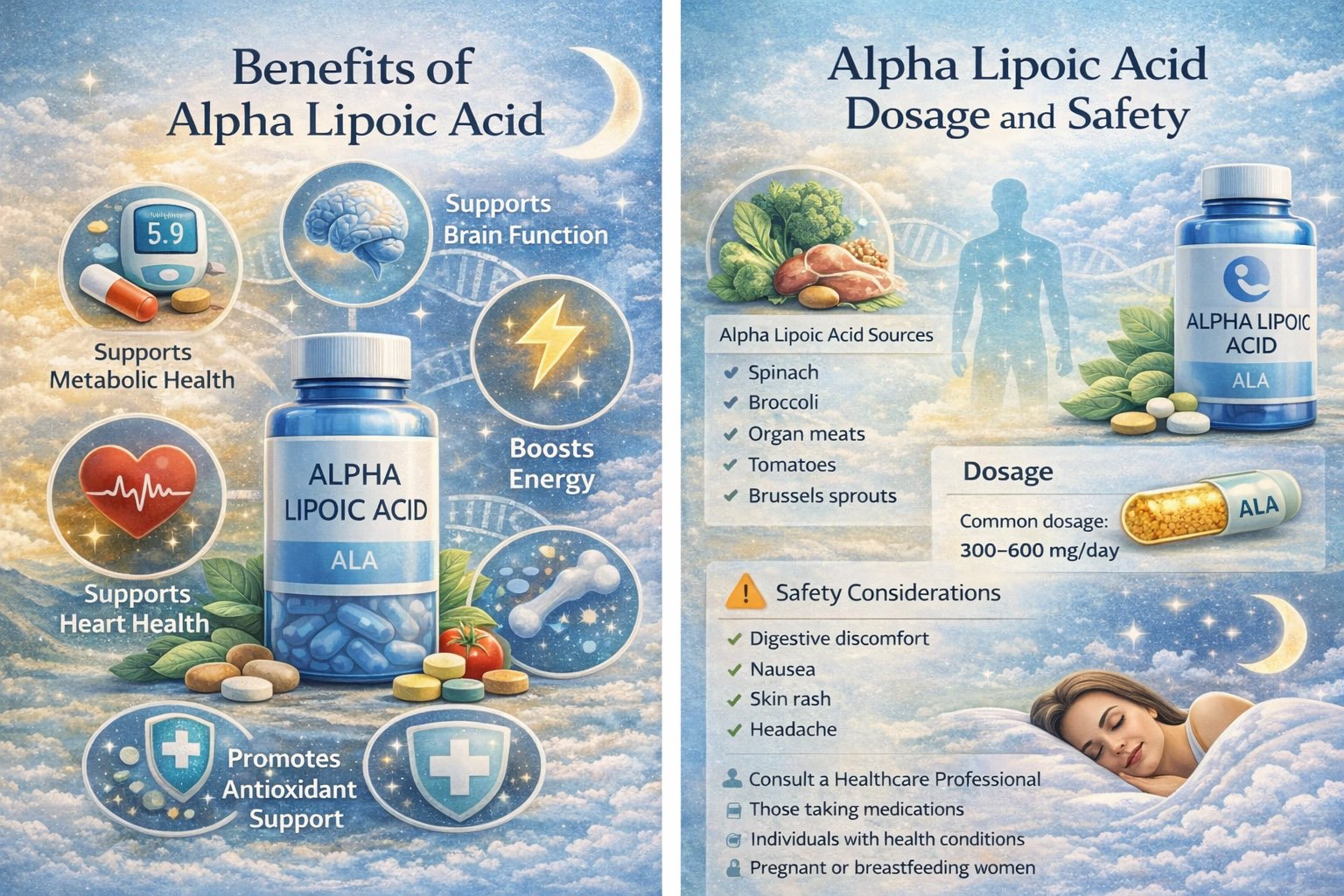
Alpha lipoic acid supports multiple physiological systems. The following sections summarize the most commonly studied areas of benefit.
Metabolic Health and Blood Sugar Regulation
Alpha lipoic acid is widely used to support metabolic health. It plays a role in glucose metabolism and insulin function.
ALA may support:
- Insulin sensitivity
- Glucose metabolism
- Metabolic balance
- Cellular energy production
- Oxidative stress reduction
Because of its role in metabolic regulation, alpha lipoic acid is frequently included in metabolic health protocols.
Energy Production and Fatigue Support
Alpha lipoic acid supports mitochondrial function, which is responsible for producing energy in cells.
ALA may support:
- Cellular energy production
- Reduced fatigue
- Physical performance
- Energy metabolism
- Recovery after exertion
It is commonly used in energy and fatigue support routines.
Brain and Cognitive Function
Alpha lipoic acid supports nervous system health and cognitive function by protecting brain cells from oxidative stress.
ALA may support:
- Cognitive performance
- Memory and learning
- Nervous system health
- Mental clarity
- Healthy aging
Because it can cross the blood–brain barrier, alpha lipoic acid is often included in brain and cognitive health protocols.
Heart and Cardiovascular Health
Alpha lipoic acid supports cardiovascular health by helping regulate oxidative stress and supporting vascular function.
ALA may support:
- Cardiovascular function
- Blood vessel health
- Circulation
- Blood pressure balance
- Cellular protection
Maintaining antioxidant balance is an important component of cardiovascular health.
Sleep and Recovery Support
Alpha lipoic acid supports cellular repair and metabolic balance, which can indirectly contribute to sleep quality and recovery.
ALA may support:
- Cellular recovery
- Energy balance
- Reduced oxidative stress
- Overall wellness
It is not a sleep aid but may support recovery processes that influence sleep readiness.
Gut Health and Digestive Function
Alpha lipoic acid supports digestive health by helping regulate inflammation and oxidative stress in the gastrointestinal system.
ALA may support:
- Digestive comfort
- Gut barrier function
- Microbial balance
- Cellular protection in the digestive tract
Maintaining antioxidant balance is important for healthy digestive function.
Immune System Support
Alpha lipoic acid contributes to immune system function by supporting cellular defense mechanisms and reducing oxidative stress.
ALA may support:
- Immune response
- Inflammatory balance
- Cellular resilience
- Overall health maintenance
It is commonly used as part of general wellness and immune support strategies.
Who May Benefit from Alpha Lipoic Acid
Alpha lipoic acid supplementation may be helpful for individuals who:
- Want to support metabolic health
- Experience fatigue or low energy
- Want antioxidant support
- Want to support brain and cognitive health
- Are focused on healthy aging
- Want cardiovascular support
- Experience high oxidative stress
- Want general wellness support
It is commonly used in:
- Metabolic health programs
- Energy support routines
- Brain and cognitive support plans
- Cardiovascular health protocols
- General wellness strategies
Safety and Dosage
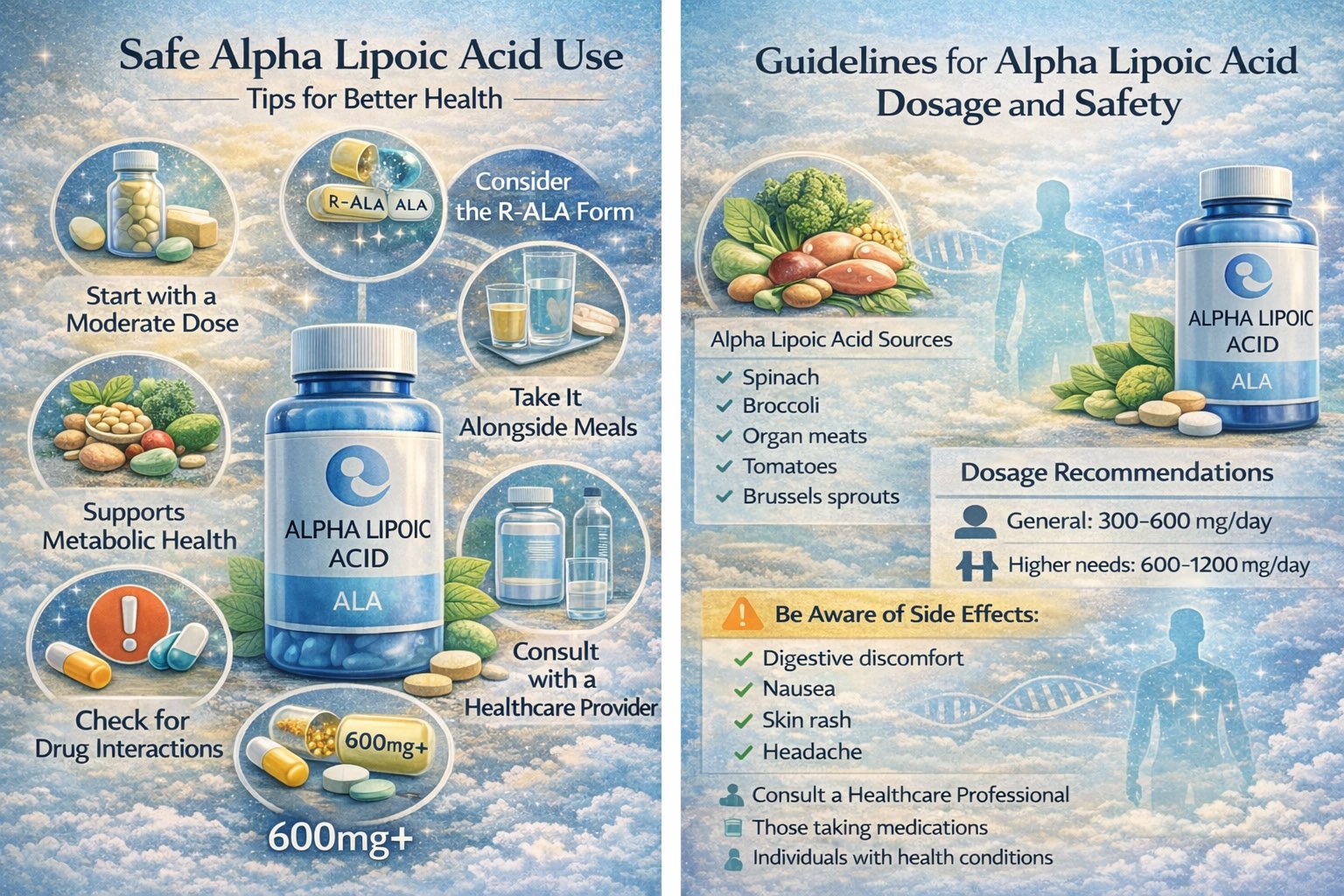
Typical Dosage Range
Common supplemental doses of alpha lipoic acid typically range from:
300–600 mg per day
Some individuals may use:
600–1200 mg per day
depending on individual needs and professional guidance.
When to Take Alpha Lipoic Acid
Alpha lipoic acid is commonly taken:
- With meals
- On an empty stomach (depending on formulation)
- In divided doses throughout the day
Timing may vary based on individual tolerance and health goals.
Safety Considerations
Alpha lipoic acid is generally considered safe for most adults when used appropriately.
Possible mild side effects may include:
- Digestive discomfort
- Nausea
- Skin rash
- Headache
Individuals who should consult a healthcare professional before use include:
- Individuals taking medications
- Individuals with chronic health conditions
- Pregnant or breastfeeding women
- Individuals with diabetes
- Individuals with thyroid conditions
Evidence and Research
Alpha lipoic acid has been widely studied for its antioxidant and metabolic effects. Research has explored its role in energy production, nerve function, metabolic health, and cardiovascular health.
Scientific studies have examined alpha lipoic acid in relation to:
- Oxidative stress regulation
- Glucose metabolism
- Nerve function
- Cardiovascular health
- Brain function
- Cellular energy production
Because of its antioxidant properties and broad physiological effects, alpha lipoic acid is commonly used in clinical and preventive health settings.
Best Alpha Lipoic Acid Supplements
When choosing an alpha lipoic acid supplement, quality and formulation are important considerations.
Look for products that provide:
- Clearly labeled dosage
- Third-party testing
- Transparent ingredient lists
- Reliable manufacturing standards
- Appropriate formulation
Common forms include:
Alpha Lipoic Acid (ALA)
Standard supplemental form
R-Alpha Lipoic Acid (R-ALA)
Biologically active form
Sustained-release formulations
Designed for gradual absorption
The best choice depends on individual goals and tolerance.
FAQ About Alpha Lipoic Acid
How long does alpha lipoic acid take to work?
Some effects may be noticed within:
Several days to a few weeks
More consistent benefits typically develop with regular use over time.
Can alpha lipoic acid be taken every day?
Alpha lipoic acid is commonly taken daily as part of a regular supplement routine when used within recommended dosage ranges.
Is alpha lipoic acid safe for long-term use?
Research suggests that alpha lipoic acid can be used safely over extended periods when taken appropriately and monitored when necessary.
Can alpha lipoic acid be combined with other supplements?
Yes. Alpha lipoic acid is commonly combined with:
- Magnesium
- CoQ10
- Omega-3 fatty acids
- B vitamins
- Antioxidant supplements
These combinations are frequently used in metabolic and wellness support protocols.
Medical Disclaimer
This content is for informational purposes only and does not constitute medical advice. Always consult a qualified healthcare professional.
Editorial Transparency
This article was created following evidence-based health content guidelines and reviewed by the VitaCoreBalance Editorial Team.
SOURCES:
- National Institutes of Health — Office of Dietary Supplements
Dietary Supplements Fact Sheet: Antioxidants
https://ods.od.nih.gov/factsheets/Antioxidants-HealthProfessional/ - National Center for Complementary and Integrative Health (NCCIH)
Alpha-Lipoic Acid
https://www.nccih.nih.gov/health/alpha-lipoic-acid - National Library of Medicine — MedlinePlus
Alpha-lipoic acid
https://medlineplus.gov/druginfo/natural/767.html - National Library of Medicine — PubMed
Alpha-lipoic acid supplementation and diabetes: A meta-analysis
https://pubmed.ncbi.nlm.nih.gov/24144132/ - Frontiers in Pharmacology
Alpha-lipoic acid as a dietary supplement: Molecular mechanisms and therapeutic potential
https://www.frontiersin.org/articles/10.3389/fphar.2018.00948/full - Journal of Clinical Biochemistry and Nutrition
Role of alpha-lipoic acid in preventing oxidative stress
https://pubmed.ncbi.nlm.nih.gov/20378943/