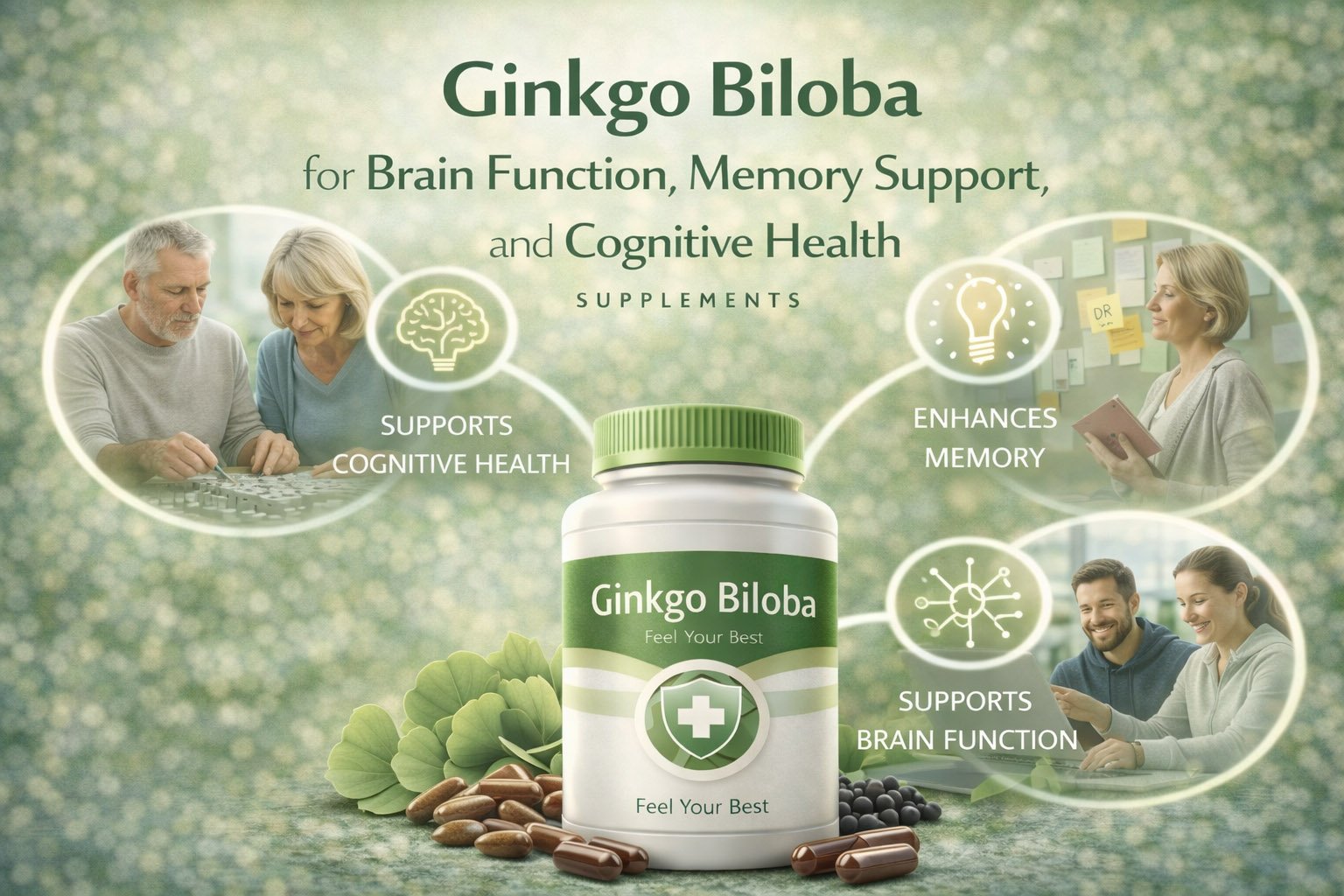
Ginkgo Biloba for Brain Function, Memory Support, and Cognitive Health
VitaCoreBalance Editorial Team | Research-based health content · Editorial review process | March 2026 – Updated April
Ginkgo biloba is one of the most widely studied herbal supplements for supporting brain function, memory, and healthy circulation. Derived from the leaves of the ancient Ginkgo tree, this botanical has been used for centuries to support cognitive performance, mental clarity, and neurological resilience.
Modern research suggests that ginkgo biloba may improve blood flow to the brain, support neurotransmitter activity, and protect neurons from oxidative stress. These effects make it particularly relevant for maintaining cognitive function during aging, supporting focus and memory, and promoting overall brain health.
In addition to its cognitive benefits, ginkgo biloba also supports cardiovascular circulation, antioxidant protection, and nervous system function. Because brain health depends heavily on adequate blood flow and oxygen delivery, ginkgo is commonly used to support both mental performance and long-term neurological resilience.
Ginkgo biloba is widely used for:
- Memory support and cognitive performance
- Brain circulation and oxygen delivery
- Mental clarity and focus
- Age-related cognitive support
- Antioxidant protection
- Nervous system health
- Stress resilience
- Healthy aging
Its long history of use and strong safety profile make ginkgo biloba one of the most recognized supplements for brain and cognitive health.
What Is Ginkgo Biloba
Ginkgo biloba is an herbal extract derived from the leaves of the Ginkgo biloba tree, one of the oldest living tree species on Earth. The extract contains biologically active compounds—primarily flavonoids and terpenoids—that support circulation, protect brain cells, and regulate inflammatory processes.
These compounds help improve blood flow by promoting healthy vascular function and reducing oxidative damage in tissues.
Ginkgo biloba supports:
- Cerebral circulation
- Memory and learning
- Nervous system function
- Antioxidant protection
- Cellular resilience
- Vascular health
- Cognitive performance
- Healthy aging
Unlike stimulants, ginkgo does not directly increase energy levels. Instead, it supports brain function by improving oxygen delivery and protecting neurons from stress-related damage.
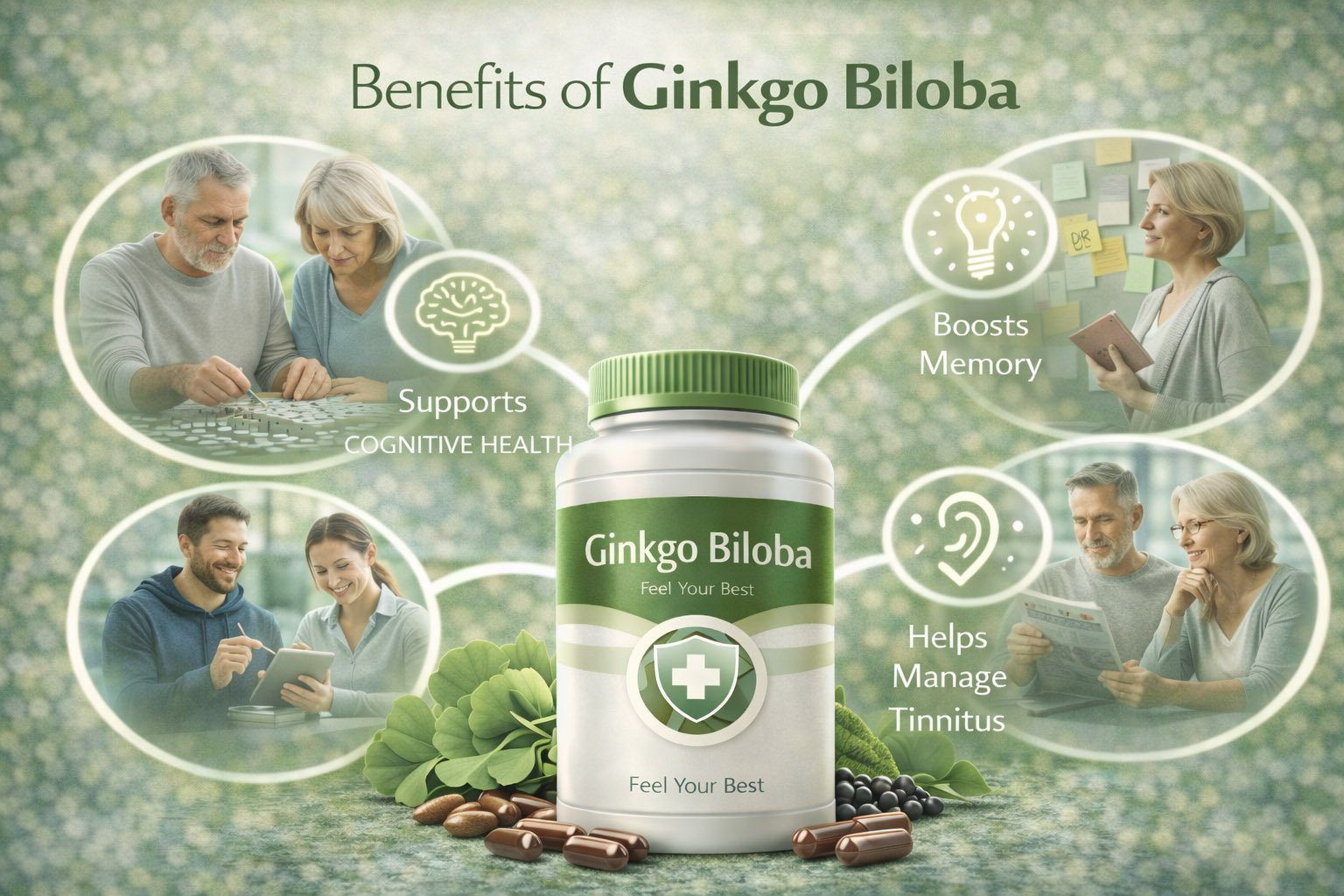
Benefits of Ginkgo Biloba
Memory Support and Cognitive Performance
Ginkgo biloba is most commonly used to support memory and cognitive function, particularly in individuals experiencing age-related cognitive changes.
Research suggests ginkgo biloba may:
- Improve memory recall
- Support learning ability
- Enhance mental clarity
- Support attention and concentration
- Promote cognitive resilience
These effects are closely linked to improved cerebral blood flow and antioxidant protection.
Brain Circulation and Oxygen Delivery
Healthy brain function depends on adequate blood flow and oxygen supply. Ginkgo biloba helps support circulation in the brain and peripheral tissues.
Benefits include:
- Improved cerebral blood flow
- Enhanced oxygen delivery
- Reduced vascular resistance
- Support for healthy circulation
- Improved mental performance
Circulatory support is one of the primary mechanisms behind ginkgo’s cognitive benefits.
Antioxidant Protection and Neuroprotection
Ginkgo biloba contains powerful antioxidants that help protect neurons from oxidative stress.
It supports:
- Reduced oxidative damage
- Protection of brain cells
- Reduced inflammation
- Healthy brain aging
- Cellular resilience
Oxidative stress is a major contributor to cognitive decline and neurological aging.
Focus, Mental Clarity, and Productivity
Ginkgo biloba may support mental performance by improving brain circulation and neurotransmitter activity.
Benefits include:
- Improved focus
- Enhanced concentration
- Better mental stamina
- Reduced mental fatigue
- Increased productivity
These effects make ginkgo popular among students, professionals, and individuals with high cognitive demands.
Stress Response and Nervous System Support
Ginkgo biloba supports nervous system balance and resilience during stress.
It may contribute to:
- Improved stress tolerance
- Reduced mental fatigue
- Balanced nervous system activity
- Emotional stability
- Improved resilience
Chronic stress can impair cognitive performance, making stress regulation important for brain health.
Cardiovascular and Circulatory Health
Ginkgo biloba supports vascular health throughout the body, not just in the brain.
Potential benefits include:
- Improved circulation
- Reduced oxidative stress in blood vessels
- Support for healthy blood flow
- Vascular protection
- Cardiovascular resilience
Because circulation affects every organ system, these benefits extend beyond cognitive health.
Sleep and Brain Recovery
Ginkgo biloba may indirectly support sleep quality by improving circulation and reducing stress-related mental fatigue.
Benefits include:
- Improved sleep recovery
- Reduced nighttime cognitive restlessness
- Enhanced brain recovery
- Support for circadian balance
Although not a sleep supplement, improved brain function often supports better sleep quality.
Metabolic and Cellular Health
Ginkgo biloba supports metabolic processes by improving oxygen delivery and reducing inflammation.
It contributes to:
- Cellular energy production
- Reduced inflammatory stress
- Improved metabolic stability
- Enhanced tissue oxygenation
- Support for overall vitality
This systemic effect makes ginkgo relevant for whole-body health.
Who May Benefit from Ginkgo Biloba
Ginkgo biloba supplementation may be particularly beneficial for individuals seeking cognitive support or improved circulation.
Common groups include:
Older adults
Individuals experiencing memory concerns
Students and professionals
People with high cognitive workload
Individuals under chronic stress
People with poor circulation
Individuals seeking focus and mental clarity
People interested in healthy aging
Individuals with sedentary lifestyles
Because cognitive health declines gradually over time, preventive support is often beneficial.
Safety and Dosage
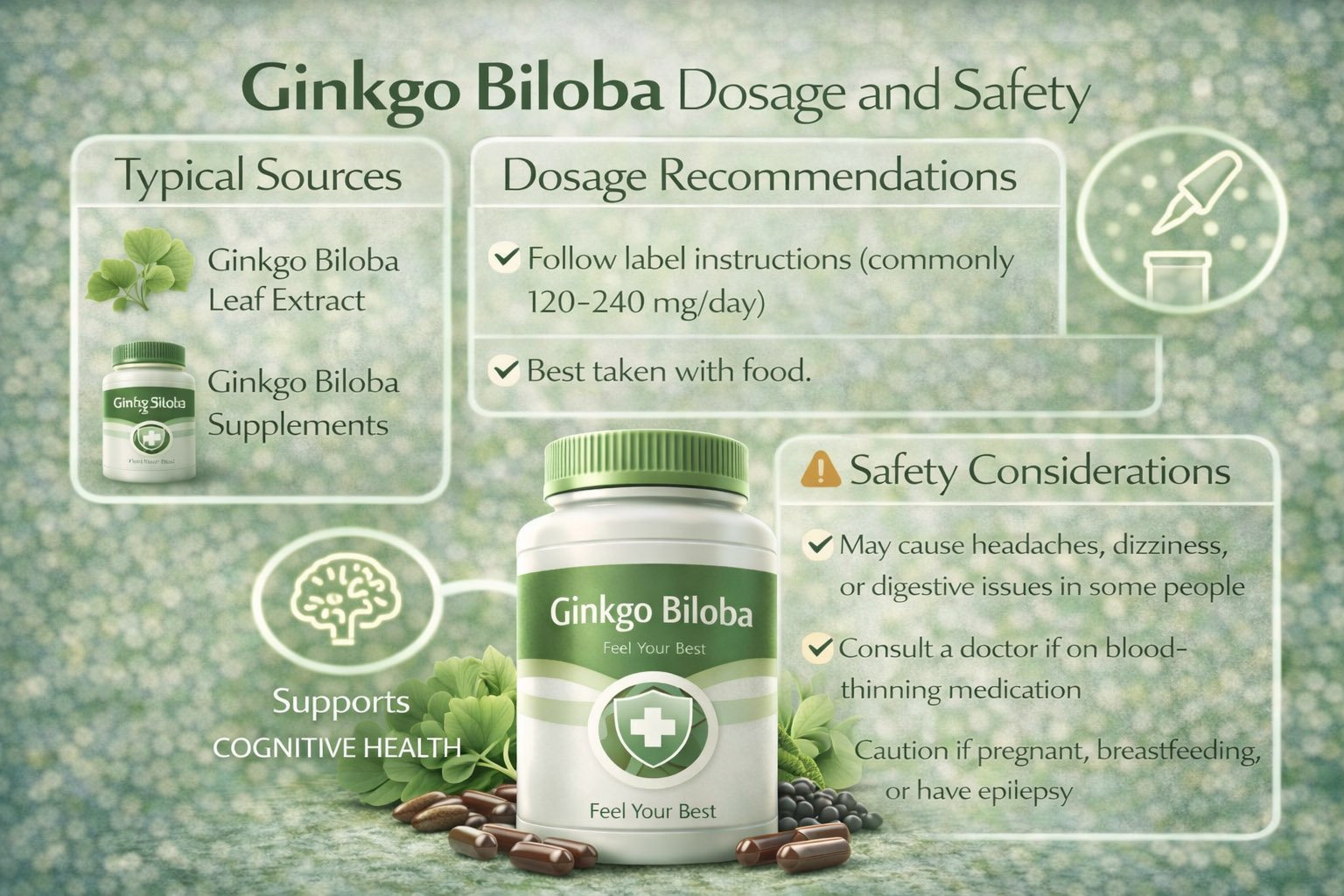
Ginkgo biloba is generally safe when used within recommended dosage ranges and standardized formulations.
Typical Daily Dosage
General cognitive support:
120–240 mg per day
Memory and circulation support:
240 mg per day
Long-term maintenance:
120–240 mg per day
Dosage typically refers to standardized extract containing:
24% flavone glycosides
6% terpene lactones
Best Time to Take Ginkgo Biloba
Ginkgo biloba is best taken:
In the morning or early afternoon
With meals
Consistently each day
Taking ginkgo late in the evening may increase alertness in some individuals.
Safety Considerations
Ginkgo biloba is safe for most adults but may interact with certain medications.
Possible side effects may include:
Headache
Digestive discomfort
Dizziness
Mild nausea
Use caution if:
You take blood-thinning medications
You have bleeding disorders
You are preparing for surgery
You are pregnant or breastfeeding
Consult a healthcare professional if using prescription medications.
Evidence and Research
Ginkgo biloba is one of the most extensively studied herbal supplements for cognitive health and circulation.
Research findings show:
Ginkgo biloba improves cerebral blood flow
Ginkgo biloba supports memory and cognitive function
Ginkgo biloba provides antioxidant protection
Ginkgo biloba supports vascular health
Ginkgo biloba supports healthy aging
Clinical studies suggest that consistent use may help maintain cognitive performance, particularly in aging populations.
Best Supplements
Choosing the right ginkgo biloba supplement depends on extract standardization, quality, and formulation.
Standardized Ginkgo Biloba Extract (EGb 761)
Best for:
Cognitive support
Memory and focus
Clinical-grade supplementation
Ginkgo Biloba Capsules
Best for:
Daily supplementation
Convenience
Consistent dosing
Ginkgo Biloba Liquid Extract
Best for:
Flexible dosing
Fast absorption
Short-term use
Ginkgo with Bacopa or Lion’s Mane
Best for:
Enhanced cognitive support
Memory and learning
Brain performance
Ginkgo Combination Formulas
Best for:
Comprehensive brain support
Long-term cognitive health
Healthy aging
FAQ
Does ginkgo biloba improve memory?
Yes. Ginkgo biloba may support memory, learning, and mental clarity by improving blood flow and protecting brain cells.
Is ginkgo biloba safe to take every day?
Yes. Daily use is generally safe within recommended dosage ranges.
How long does ginkgo biloba take to work?
Most people notice benefits after several weeks of consistent use.
Can ginkgo biloba improve focus?
Yes. Ginkgo biloba supports attention and mental clarity by improving circulation to the brain.
Can ginkgo biloba be taken long term?
Yes. Long-term supplementation is common and considered safe when taken at appropriate doses.
Medical Disclaimer
This content is for informational purposes only and does not constitute medical advice. Always consult a qualified healthcare professional.
Editorial Transparency
This article was created following evidence-based health content guidelines and reviewed by the VitaCoreBalance Editorial Team.
SOURCES:
- https://ods.od.nih.gov/factsheets/GinkgoBiloba-HealthProfessional/
- https://www.ncbi.nlm.nih.gov/books/NBK541024/
- https://pubmed.ncbi.nlm.nih.gov/27286339/
- https://www.ncbi.nlm.nih.gov/pmc/articles/PMC2792080/
- https://www.mayoclinic.org/drugs-supplements-ginkgo/art-20362032
- https://www.cochranelibrary.com/cdsr/doi/10.1002/14651858.CD003120.pub3/full