
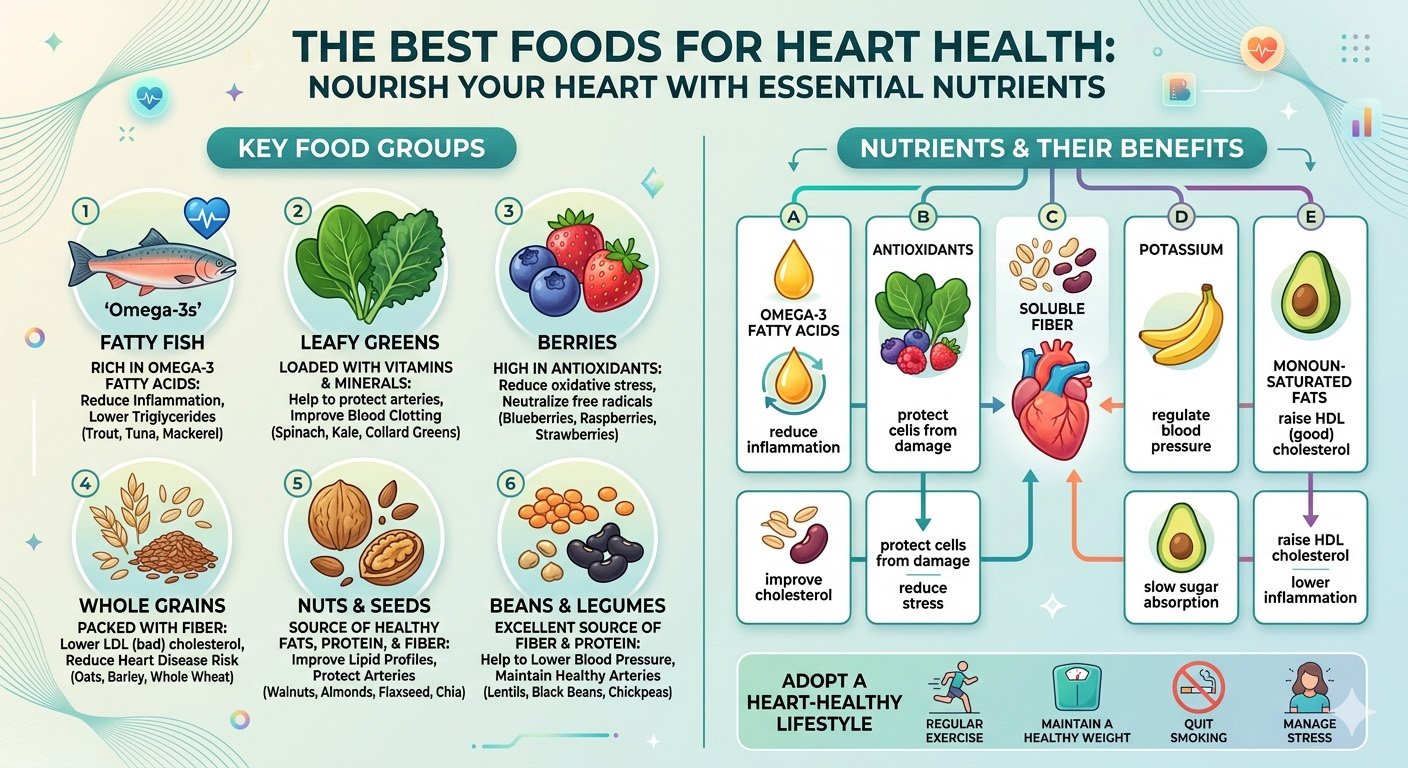
Best Foods for Heart Health
VitaCoreBalance Editorial Team | Research-based health content • Editorial review process | March 2026
Diet is one of the most powerful tools for protecting heart health. The foods we eat influence blood pressure, cholesterol levels, inflammation, blood sugar regulation, and body weight — all key factors in cardiovascular disease risk. Research consistently shows that dietary patterns rich in whole, nutrient-dense foods can significantly reduce the risk of heart disease and improve long-term health outcomes.
Heart health is not determined by a single nutrient or food, but by overall dietary habits that support healthy metabolism, balanced hormones, and stable energy levels. Because nutrition interacts with multiple body systems, dietary choices directly affect Metabolism, Nutrition, Blood Sugar, and Hormone Health, as well as cardiovascular function and inflammation.
Understanding which foods support heart health helps individuals make informed, sustainable dietary decisions.
What Makes a Food Heart-Healthy?
Heart-healthy foods provide nutrients that support cardiovascular function, reduce inflammation, and help maintain healthy blood vessels.
These foods typically:
- Are rich in fiber
- Contain healthy fats
- Provide antioxidants
- Support blood sugar stability
- Help regulate cholesterol levels
- Reduce inflammation
Heart-healthy foods also support metabolic balance discussed in Metabolism and dietary quality addressed in Nutrition.
How Diet Supports Heart Health (Physiology)
The cardiovascular system depends on nutrients to maintain healthy blood vessels, regulate blood pressure, and support heart muscle function.
Healthy dietary patterns can:
- Lower LDL cholesterol
- Improve blood vessel function
- Reduce inflammation
- Stabilize blood sugar
- Support healthy body weight
Poor dietary habits, on the other hand, can contribute to metabolic dysfunction, high blood pressure, and increased cardiovascular risk.
These mechanisms connect diet to systems discussed in Blood Sugar, Weight Loss, and Heart Health.
Best Foods for Heart Health
The following foods are consistently supported by scientific evidence for their cardiovascular benefits.
Leafy Green Vegetables
Leafy greens are among the most nutrient-dense foods for heart health.
Examples include:
- Spinach
- Kale
- Swiss chard
- Arugula
- Collard greens
These vegetables are rich in:
- Nitrates that support blood vessel function
- Potassium that helps regulate blood pressure
- Fiber that supports cholesterol control
- Antioxidants that reduce inflammation
Regular consumption of leafy greens is associated with lower cardiovascular risk and improved metabolic regulation discussed in Metabolism.
Fatty Fish
Fatty fish are one of the best sources of omega-3 fatty acids, which play a critical role in heart health.
Common examples include:
- Salmon
- Sardines
- Mackerel
- Trout
- Herring
Omega-3 fatty acids help:
- Reduce inflammation
- Lower triglycerides
- Improve heart rhythm stability
- Support blood vessel health
These benefits support cardiovascular protection discussed in Heart Health.
Whole Grains
Whole grains provide fiber and nutrients that support metabolic and cardiovascular health.
Examples include:
- Oats
- Brown rice
- Quinoa
- Whole wheat
- Barley
Whole grains help:
- Lower cholesterol
- Stabilize blood sugar
- Support digestion
- Reduce cardiovascular risk
These effects are closely linked to metabolic balance discussed in Blood Sugar and Metabolism.
Nuts and Seeds
Nuts and seeds provide healthy fats, fiber, and minerals that support heart health.
Common options include:
- Almonds
- Walnuts
- Chia seeds
- Flaxseeds
- Pumpkin seeds
These foods help:
- Improve cholesterol levels
- Reduce inflammation
- Support metabolic health
- Promote satiety
Nuts and seeds also support weight management discussed in Weight Loss.
Fruits Rich in Antioxidants
Fruits contain antioxidants that protect blood vessels from oxidative stress.
Examples include:
- Berries
- Apples
- Oranges
- Grapes
- Pomegranates
These nutrients help:
- Reduce inflammation
- Improve blood vessel function
- Support immune health
- Reduce cardiovascular risk
Antioxidants also support metabolic stability discussed in Metabolism.
Legumes
Legumes are rich in fiber and plant-based protein.
Examples include:
- Beans
- Lentils
- Chickpeas
- Peas
These foods help:
- Lower cholesterol
- Stabilize blood sugar
- Improve digestion
- Support heart health
Fiber intake is closely connected to metabolic regulation discussed in Blood Sugar.
Healthy Fats
Healthy fats support hormone production and cardiovascular function.
Common sources include:
- Olive oil
- Avocados
- Nuts
- Seeds
- Fatty fish
These fats help:
- Reduce inflammation
- Improve cholesterol balance
- Support heart function
- Maintain metabolic health
Healthy fat intake is closely linked to hormone regulation discussed in Hormone Health.
Vegetables Rich in Potassium
Potassium helps regulate blood pressure and fluid balance.
Examples include:
- Sweet potatoes
- Bananas
- Tomatoes
- Spinach
- Beans
Potassium supports cardiovascular stability discussed in Heart Health.
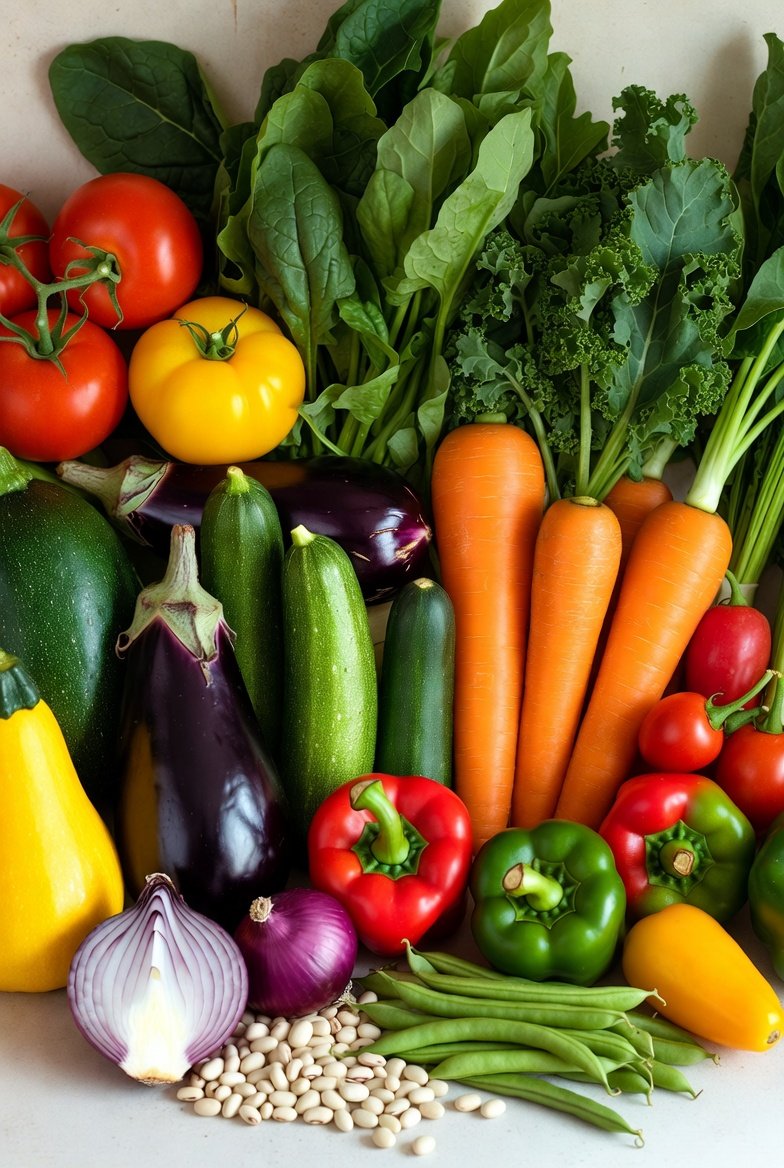
Foods That May Harm Heart Health
While some foods support heart health, others may increase cardiovascular risk when consumed frequently.
Ultra-Processed Foods
Highly processed foods often contain excessive sodium, sugar, and unhealthy fats.
Common examples include:
- Packaged snacks
- Processed meats
- Fast food
- Sugary beverages
These foods can:
- Raise blood pressure
- Increase inflammation
- Promote weight gain
- Disrupt metabolic balance
These effects are closely linked to metabolic dysfunction discussed in Metabolism.
Excess Added Sugar
High sugar intake can increase cardiovascular risk.
Potential effects include:
- Increased blood sugar
- Increased triglycerides
- Increased inflammation
- Weight gain
Sugar regulation is closely connected to metabolic health discussed in Blood Sugar.
Trans Fats
Trans fats are associated with increased cardiovascular risk.
These fats can:
- Raise LDL cholesterol
- Lower HDL cholesterol
- Increase inflammation
- Promote plaque buildup
Reducing trans fat intake supports cardiovascular protection discussed in Heart Health.
Practical Strategies for Building a Heart-Healthy Diet
Improving diet does not require drastic changes. Small, consistent adjustments can produce significant benefits.
Focus on Whole Foods
Choose minimally processed foods whenever possible.
Helpful choices include:
- Fresh vegetables
- Whole fruits
- Lean proteins
- Whole grains
- Healthy fats
Whole-food diets support metabolic balance discussed in Nutrition.
Increase Fiber Intake
Fiber plays a key role in cardiovascular health.
Benefits include:
- Lower cholesterol
- Improved digestion
- Stable blood sugar
- Reduced inflammation
Fiber intake supports digestive health discussed in Gut Health.
Reduce Sodium Intake
Lower sodium intake helps control blood pressure.
Helpful strategies include:
- Cooking at home
- Reading food labels
- Limiting processed foods
Blood pressure control is closely linked to cardiovascular health discussed in Heart Health.
Maintain Balanced Meals
Balanced meals support stable energy and metabolic regulation.
A balanced meal typically includes:
- Protein
- Fiber
- Healthy fats
- Complex carbohydrates
These patterns support metabolic stability discussed in Metabolism.
Why Heart-Healthy Foods Matter for Long-Term Health
Heart disease develops gradually over time, often influenced by daily dietary habits. Choosing heart-healthy foods helps reduce risk by improving cholesterol levels, lowering blood pressure, reducing inflammation, and supporting metabolic balance.
Healthy dietary patterns can:
- Reduce cardiovascular disease risk
- Improve energy levels
- Support healthy weight
- Improve metabolic health
- Reduce inflammation
Because diet influences multiple systems, heart-healthy foods support prevention strategies across Nutrition, Metabolism, Blood Sugar, and Hormone Health.
Final Thoughts
The best foods for heart health are those that support the body’s natural regulatory systems — including metabolism, blood sugar balance, inflammation control, and vascular function. No single food can prevent heart disease, but consistent dietary patterns built around whole, nutrient-rich foods can significantly improve cardiovascular health.
Small, sustainable dietary changes can produce meaningful long-term benefits.
Protecting heart health begins with what you eat.
Medical Disclaimer
This content is for informational purposes only and does not constitute medical advice. Always consult a qualified healthcare professional.
Editorial Transparency
This article was created following evidence-based health content guidelines and reviewed by the VitaCoreBalance Editorial Team.
Sources
Medical Institutions
American Heart Association (AHA)
National Institutes of Health (NIH)
Mayo Clinic — Heart-Healthy Diet
Cleveland Clinic — Best Foods for Heart Health
Global Organizations
World Health Organization (WHO) — Healthy Diet and Cardiovascular Disease
Peer-Reviewed Studies
Estruch R et al.
Primary prevention of cardiovascular disease with a Mediterranean diet
New England Journal of Medicine
Mozaffarian D et al.
Dietary priorities for cardiovascular disease
Circulation
Scientific Review
Sacks FM et al.
Dietary fats and cardiovascular disease
American Journal of Clinical Nutrition