Biological Limits of Human Lifespan
Understanding the Role of Metabolism, Sleep Health, and Nutrition in Longevity
VitaCoreBalance Editorial Team | Research-based health content • Editorial review process | March 2026
Human beings have always wondered how long life can last. Advances in medicine, sanitation, and nutrition have dramatically increased life expectancy over the past century. However, scientists continue to debate whether there is a natural biological ceiling to human lifespan and what factors most strongly influence healthy aging.
Modern longevity research suggests that while genetics plays a role, the biological limits of human lifespan are shaped by complex physiological systems that regulate energy use, cellular repair, immune function, and resilience to stress. Among the most influential factors identified in scientific studies are metabolism, sleep health, and nutrition. These interconnected systems determine how efficiently the body maintains balance over time and how well it resists disease and functional decline.
Understanding these biological mechanisms provides insight into how individuals can support longevity while maintaining quality of life.
Is There a Maximum Human Lifespan?
Scientists Continue to Study the Upper Limits of Longevity
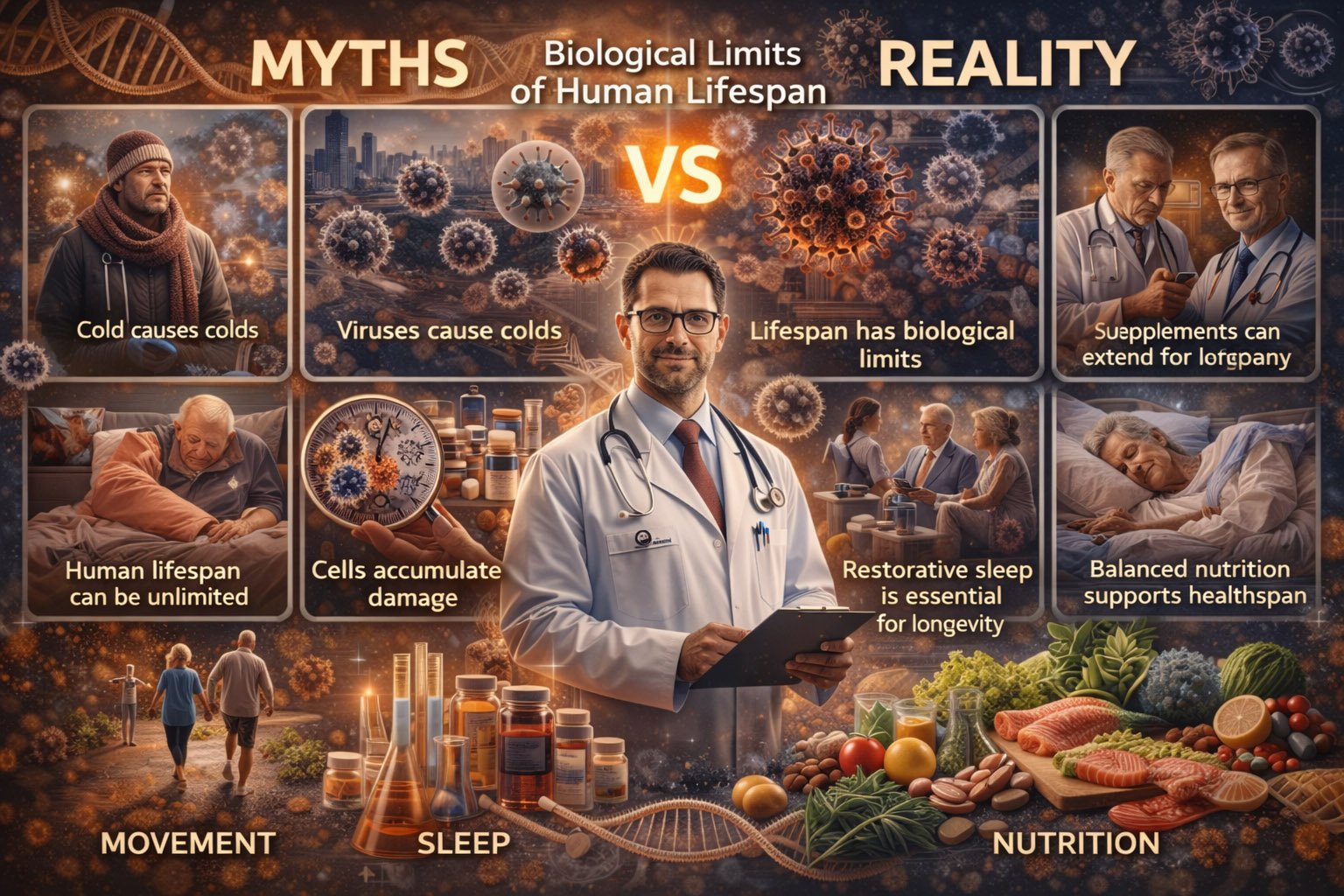
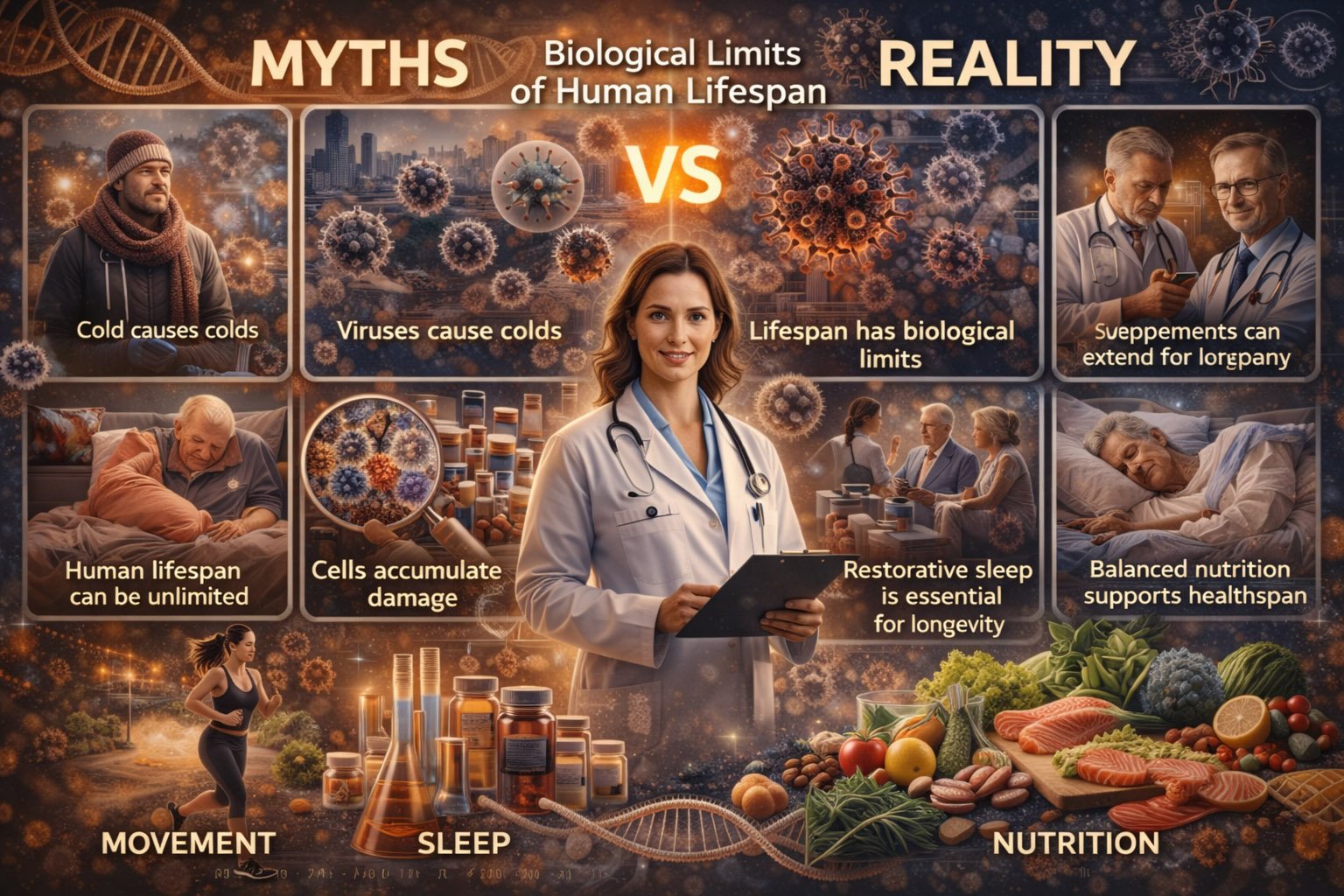
Life expectancy has increased significantly worldwide, yet the maximum recorded human lifespan has remained relatively stable. The longest confirmed human life on record reached 122 years, suggesting that biological constraints may limit how long the human body can function.
Researchers propose several explanations for this apparent limit:
- Gradual accumulation of cellular damage
- Reduced ability to repair tissues
- Declining immune system function
- Increased vulnerability to chronic disease
- Loss of physiological resilience
These processes occur slowly and often begin decades before visible signs of aging appear.
Importantly, while lifespan may have biological limits, healthspan—the number of years lived in good health—can often be extended through preventive lifestyle strategies.
Metabolism and Longevity
Energy Regulation Plays a Central Role in Aging
Metabolism refers to the chemical processes that convert food into energy. These processes sustain every function in the body, including movement, temperature regulation, immune defense, and cellular repair.
Over time, metabolic efficiency may decline due to:
- Hormonal changes
- Reduced muscle mass
- Increased fat accumulation
- Insulin resistance
- Chronic inflammation
Scientific research shows that metabolic health strongly influences:
- Cardiovascular function
- Blood sugar regulation
- Energy levels
- Body composition
- Disease risk
Balanced metabolic function helps maintain stability in biological systems, reducing stress on organs and supporting long-term health.
Metabolic Flexibility and Aging
Metabolic flexibility refers to the body’s ability to switch efficiently between energy sources, such as carbohydrates and fats. This ability is associated with improved resilience and reduced risk of metabolic disease.
Healthy metabolic patterns are linked to:
- Stable energy production
- Efficient nutrient use
- Lower inflammation
- Improved recovery
- Better immune function
Loss of metabolic flexibility has been associated with increased risk of:
- Type 2 diabetes
- Obesity
- Cardiovascular disease
- Fatigue
Maintaining metabolic balance is considered a key component of healthy aging.
Sleep Health and Lifespan
Restorative Sleep Supports Cellular Repair
Sleep is one of the most powerful biological regulators of health. During sleep, the body performs essential maintenance functions that support longevity.
Key processes that occur during sleep include:
- Tissue repair
- Memory consolidation
- Hormone regulation
- Immune system activation
- Removal of metabolic waste from the brain
Chronic sleep disruption has been associated with increased risk of:
- Cardiovascular disease
- Diabetes
- Depression
- Cognitive decline
- Immune dysfunction
Sleep quality often becomes more fragile with age, making consistent sleep habits increasingly important for long-term health.
Circadian Rhythms and Biological Aging
Circadian rhythms are internal biological clocks that regulate sleep-wake cycles, hormone production, and metabolism. These rhythms synchronize physiological processes with environmental cues such as light and temperature.
Disruption of circadian rhythms can lead to:
- Metabolic imbalance
- Hormonal changes
- Reduced immune response
- Increased inflammation
Maintaining regular sleep patterns helps stabilize these rhythms and supports overall health.
Nutrition and Longevity
Nutrient Intake Influences Cellular Function
Nutrition provides the raw materials the body needs to build tissues, regulate metabolism, and maintain immune function. Poor dietary patterns can accelerate biological aging by increasing inflammation and oxidative stress.
Balanced nutrition supports:
- Stable blood sugar levels
- Healthy body weight
- Cardiovascular function
- Brain health
- Immune resilience
Key nutrients associated with healthy aging include:
- Protein
- Fiber
- Vitamins and minerals
- Healthy fats
- Antioxidants
Long-term dietary patterns appear to influence disease risk more strongly than short-term dietary changes.
Caloric Balance and Aging
Caloric balance refers to the relationship between energy intake and energy expenditure. Excess caloric intake over time can lead to metabolic strain, while insufficient intake can impair physiological function.
Research suggests that balanced caloric intake may support:
- Efficient metabolism
- Reduced inflammation
- Improved cellular repair
- Better energy regulation
Scientists continue to study how energy balance influences aging processes.
Cellular Damage and Repair
The Body’s Maintenance Systems Gradually Slow With Age
Cells constantly repair damage caused by normal metabolism and environmental exposure. Over time, the efficiency of these repair systems may decline.
Common sources of cellular stress include:
- Oxidative damage
- Environmental toxins
- Inflammation
- Radiation exposure
- Metabolic byproducts
As repair mechanisms weaken, damaged cells accumulate, contributing to aging and disease risk.
This gradual decline in repair capacity is considered one of the primary biological factors limiting lifespan.
The Immune System and Longevity
Defense Mechanisms Change With Age
The immune system protects the body from infection and supports tissue repair. With age, immune responses often become less efficient.
This process is known as:
Immunosenescence.
Effects of immune aging may include:
- Slower response to infection
- Increased inflammation
- Delayed healing
- Reduced vaccine effectiveness
Maintaining immune health is essential for supporting longevity and resilience.
The Role of Resilience in Healthy Aging
Adaptability Determines Long-Term Health
Biological resilience refers to the body’s ability to recover from stress, illness, or injury. Individuals with higher resilience tend to maintain functional ability longer.
Factors that support resilience include:
- Physical activity
- Balanced nutrition
- Quality sleep
- Stress management
- Social connection
Resilience allows biological systems to maintain stability despite environmental challenges.
Can Lifestyle Extend Human Lifespan?
Lifestyle factors cannot eliminate biological aging, but they can influence how quickly physiological decline occurs. Research consistently shows that preventive behaviors can delay disease onset and improve quality of life.
Evidence-based longevity strategies include:
- Regular physical activity
- Balanced nutrition
- Consistent sleep patterns
- Avoidance of tobacco use
- Stress management
- Preventive healthcare
These habits support metabolic stability and reduce long-term health risk.
Healthspan vs Lifespan
Living Well Matters More Than Living Longer
While the maximum human lifespan may be limited, healthspan can often be extended through preventive health strategies.
Healthspan reflects:
- Physical function
- Cognitive performance
- Independence
- Disease-free years
Extending healthspan improves quality of life and reduces healthcare burden.
This shift in focus represents one of the most important changes in modern longevity research.
Conclusion
The biological limits of human lifespan are shaped by the gradual decline of cellular repair, immune function, and metabolic stability. While genetics influences longevity, everyday behaviors play a major role in determining how individuals age.
Longevity research consistently highlights the importance of metabolism, sleep health, and nutrition in supporting healthy lifespan. These systems regulate energy, repair damage, and maintain balance across the body.
Although science continues to explore the boundaries of human longevity, current evidence suggests that consistent healthy habits remain the most reliable path to longer, healthier lives.
Medical Disclaimer
This content is for informational purposes only and does not constitute medical advice. Always consult a qualified healthcare professional.
Editorial Transparency
This article was created following evidence-based health content guidelines and reviewed by the VitaCoreBalance Editorial Team.
Sources
World Health Organization (WHO)
https://www.who.int
National Institute on Aging (NIA)
https://www.nia.nih.gov
National Institutes of Health (NIH)
https://www.nih.gov
Harvard T.H. Chan School of Public Health
https://www.hsph.harvard.edu
Mayo Clinic
https://www.mayoclinic.org
Nature Aging Journal
https://www.nature.com/natureaging