
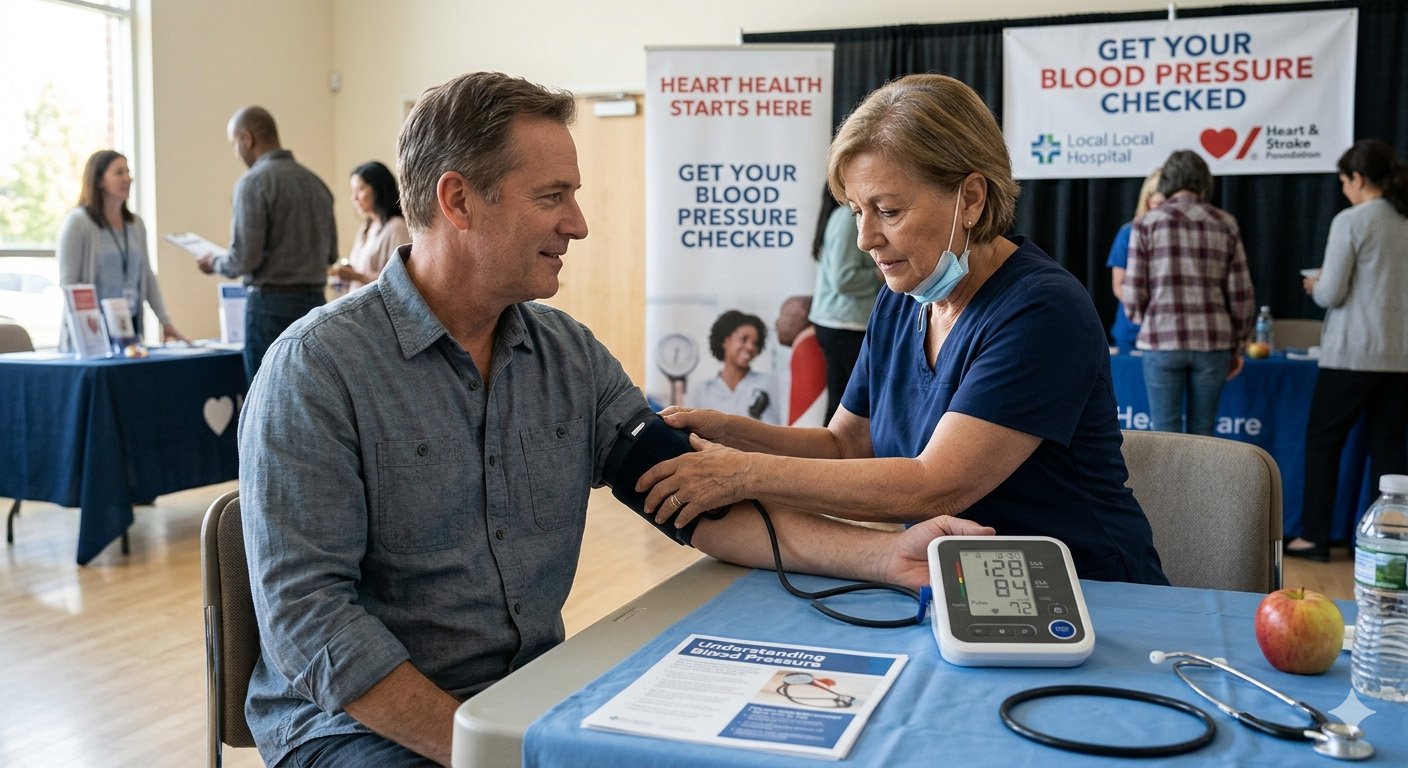
Blood Pressure and Heart Health
VitaCoreBalance Editorial Team | Research-based health content • Editorial review process | March 2026
Blood pressure is one of the most important indicators of cardiovascular health. It reflects how hard the heart works to circulate blood throughout the body and how healthy the blood vessels are. When blood pressure remains elevated over time, it can silently damage arteries, increase strain on the heart, and raise the risk of heart disease and stroke.
Because blood pressure regulation depends on multiple body systems — including Metabolism, Hormone Health, and Nutrition — managing blood pressure requires a comprehensive approach. Factors such as stress, sleep, blood sugar balance, and body weight all play a role in cardiovascular health.
Understanding how blood pressure affects the heart helps identify early risk and supports long-term prevention.
What Is Blood Pressure?
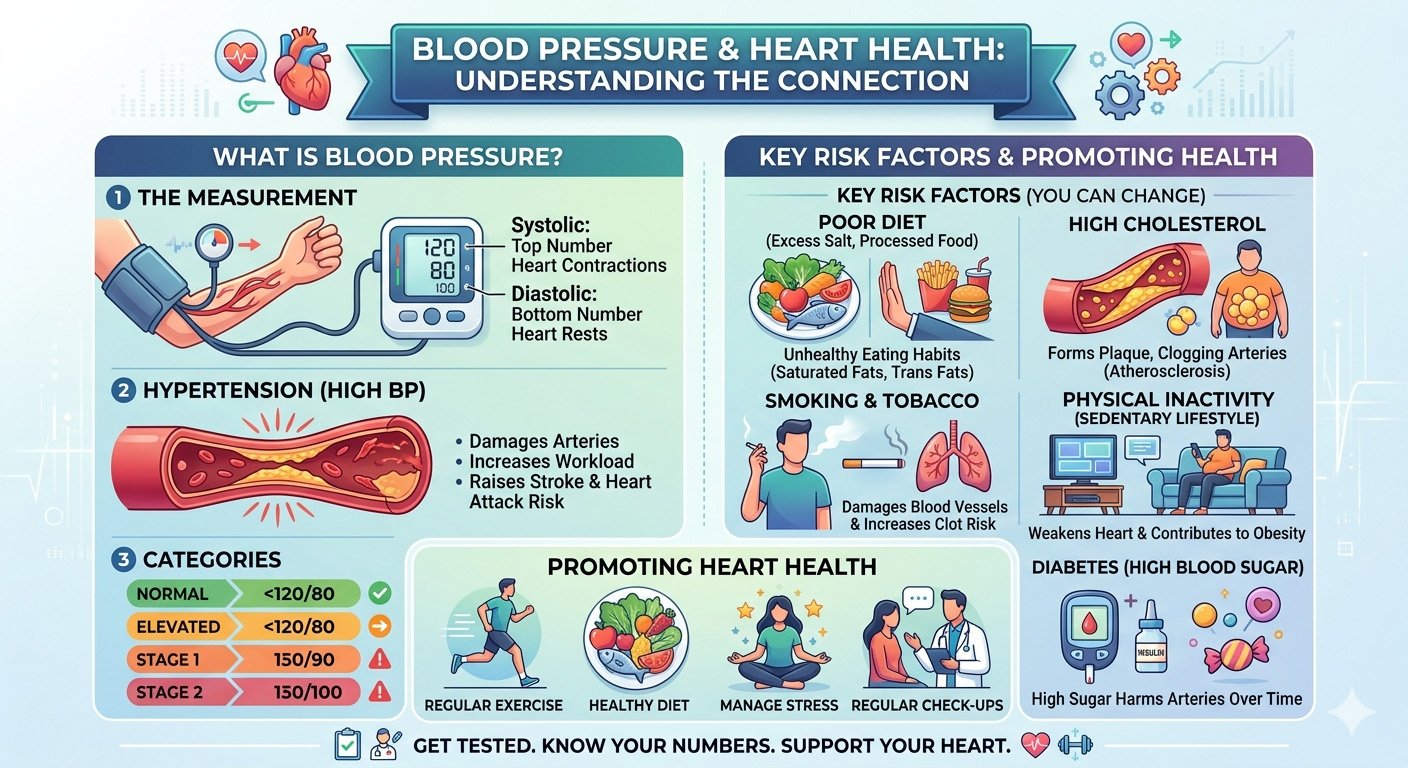
Blood pressure is the force of blood pushing against the walls of arteries as the heart pumps.
It is measured using two numbers:
- Systolic pressure — the pressure when the heart beats
- Diastolic pressure — the pressure when the heart rests between beats
Blood pressure is expressed in millimeters of mercury (mmHg).
For example:
120/80 mmHg
This reading indicates:
- 120 systolic
- 80 diastolic
Blood pressure levels can change throughout the day based on activity, stress, hydration, and sleep. Maintaining healthy blood pressure is a central goal of cardiovascular prevention discussed in Heart Health.
How Blood Pressure Affects the Heart (Physiology)
The heart and blood vessels function as a coordinated system. When blood pressure rises, the heart must work harder to pump blood through narrowed or stiffened arteries.
Over time, high blood pressure can:
- Damage artery walls
- Reduce blood vessel elasticity
- Increase heart muscle thickness
- Reduce oxygen delivery to tissues
- Increase risk of heart attack and stroke
These changes often occur gradually and without symptoms, which is why hypertension is sometimes called:
“the silent condition”
Blood pressure regulation is closely connected to metabolic and hormonal systems addressed in Metabolism and Hormone Health.
Normal vs. High Blood Pressure Levels
Blood pressure categories help identify risk levels and guide prevention.
Normal Blood Pressure
- Less than 120/80 mmHg
This range is associated with the lowest cardiovascular risk.
Elevated Blood Pressure
- Systolic: 120–129 mmHg
- Diastolic: Less than 80 mmHg
This stage signals increased cardiovascular risk and the need for lifestyle adjustments.
High Blood Pressure (Hypertension)
Stage 1 Hypertension
- Systolic: 130–139 mmHg
- Diastolic: 80–89 mmHg
Stage 2 Hypertension
- Systolic: 140 mmHg or higher
- Diastolic: 90 mmHg or higher
Persistent hypertension significantly increases the risk of cardiovascular disease, especially when combined with metabolic factors discussed in Blood Sugar and Weight Loss.
Key Factors That Influence Blood Pressure
Blood pressure is affected by both biological and lifestyle factors.
Sodium Intake
Excess sodium increases fluid retention, raising blood pressure.
Common sources include:
- Processed foods
- Packaged snacks
- Restaurant meals
- Cured meats
Reducing sodium intake is one of the most effective strategies discussed in Nutrition for improving cardiovascular health.
Body Weight
Excess body weight increases the workload on the heart and contributes to metabolic dysfunction.
Weight-related effects include:
- Increased blood pressure
- Insulin resistance
- Inflammation
- Increased cardiovascular risk
Weight management strategies addressed in Weight Loss can significantly reduce blood pressure.
Physical Activity
Regular movement strengthens the heart and improves blood vessel function.
Benefits include:
- Lower resting blood pressure
- Improved circulation
- Reduced inflammation
- Better metabolic health
Physical activity also supports energy regulation discussed in Energy & Fatigue.
Stress and Hormones
Chronic stress increases cortisol and activates the nervous system, raising blood pressure.
Long-term stress can lead to:
- Persistent hypertension
- Sleep disruption
- Hormonal imbalance
- Increased cardiovascular risk
Stress regulation is a central component of Hormone Health and Sleep Health.
Sleep Quality
Poor sleep is strongly associated with elevated blood pressure.
Sleep deprivation can:
- Increase sympathetic nervous system activity
- Raise inflammation
- Disrupt hormone balance
- Reduce cardiovascular recovery
Healthy sleep patterns support cardiovascular regulation discussed in Sleep Health.
Blood Sugar and Insulin Resistance
High blood sugar damages blood vessels and contributes to hypertension.
Insulin resistance can lead to:
- Increased sodium retention
- Increased inflammation
- Reduced vascular flexibility
This connection highlights the role of metabolic health discussed in Blood Sugar and Metabolism.
Conditions Linked to High Blood Pressure
Hypertension is a major risk factor for multiple cardiovascular conditions.
Coronary Artery Disease
High blood pressure accelerates plaque buildup in arteries.
This can lead to:
- Reduced blood flow
- Chest pain
- Heart attack
Heart Failure
Persistent hypertension forces the heart to work harder, causing the heart muscle to thicken and weaken over time.
Symptoms may include:
- Shortness of breath
- Fatigue
- Fluid retention
Heart function is closely linked to energy regulation discussed in Energy & Fatigue.
Stroke
High blood pressure is the leading risk factor for stroke.
It can:
- Damage blood vessels in the brain
- Cause blood clots
- Trigger bleeding in the brain
Kidney Disease
The kidneys rely on healthy blood vessels to filter waste from the body.
High blood pressure can:
- Damage kidney blood vessels
- Reduce filtration capacity
- Lead to chronic kidney disease
Kidney function is closely connected to metabolic regulation discussed in Metabolism.
Practical Strategies to Support Healthy Blood Pressure
Improving blood pressure often involves consistent lifestyle adjustments rather than drastic changes.
Maintain a Balanced Diet
Diet is one of the strongest determinants of blood pressure.
Helpful habits include:
- Eating whole foods
- Increasing fiber intake
- Choosing healthy fats
- Limiting added sugar
- Reducing sodium
These strategies align with guidance discussed in Nutrition.
Stay Physically Active
Regular physical activity improves cardiovascular efficiency.
Recommended goal:
At least 150 minutes of moderate activity per week
Benefits include:
- Lower blood pressure
- Improved circulation
- Reduced inflammation
- Better metabolic health
Manage Stress
Stress management supports both cardiovascular and hormonal health.
Helpful strategies include:
- Deep breathing
- Physical activity
- Relaxation techniques
- Time outdoors
These practices support regulation discussed in Hormone Health.
Maintain Healthy Sleep Patterns
Sleep supports cardiovascular recovery and blood pressure regulation.
Helpful habits include:
- Consistent sleep schedule
- Dark, quiet sleep environment
- Limiting caffeine late in the day
Healthy sleep supports long-term regulation discussed in Sleep Health.
Monitor Blood Pressure Regularly
Regular monitoring helps detect early risk.
Important benefits include:
- Early diagnosis
- Better treatment decisions
- Improved long-term outcomes
Monitoring is especially important for individuals with risk factors discussed in Heart Health.
Why Blood Pressure Matters for Long-Term Heart Health
Blood pressure is one of the strongest predictors of cardiovascular disease. Even small increases can significantly raise long-term risk.
Chronic high blood pressure can lead to:
- Heart disease
- Stroke
- Kidney disease
- Heart failure
- Reduced life expectancy
Because blood pressure is influenced by metabolism, hormones, sleep, and lifestyle behaviors, maintaining healthy levels requires coordinated support across systems such as Metabolism, Blood Sugar, Nutrition, and Hormone Health.
Final Thoughts
Blood pressure is a vital signal of cardiovascular health and one of the most modifiable risk factors for heart disease. Many people develop hypertension gradually without symptoms, making regular monitoring and prevention essential.
Small, consistent improvements in diet, sleep, physical activity, and stress management can significantly improve blood pressure and reduce long-term cardiovascular risk.
Protecting heart health begins with understanding and managing blood pressure.
Medical Disclaimer
This content is for informational purposes only and does not constitute medical advice. Always consult a qualified healthcare professional.
Editorial Transparency
This article was created following evidence-based health content guidelines and reviewed by the VitaCoreBalance Editorial Team.
Sources
Medical Institutions
Centers for Disease Control and Prevention (CDC)
American Heart Association (AHA)
National Institutes of Health (NIH) — National Heart, Lung, and Blood Institute
Mayo Clinic — High Blood Pressure
Global Organizations
World Health Organization (WHO) — Hypertension
Peer-Reviewed Studies
Ettehad D et al.
Blood pressure lowering for prevention of cardiovascular disease
The Lancet
Whelton PK et al.
2017 Guideline for the Prevention, Detection, Evaluation, and Management of High Blood Pressure
Hypertension
Scientific Review
Mills KT et al.
Global burden of hypertension
Circulation