
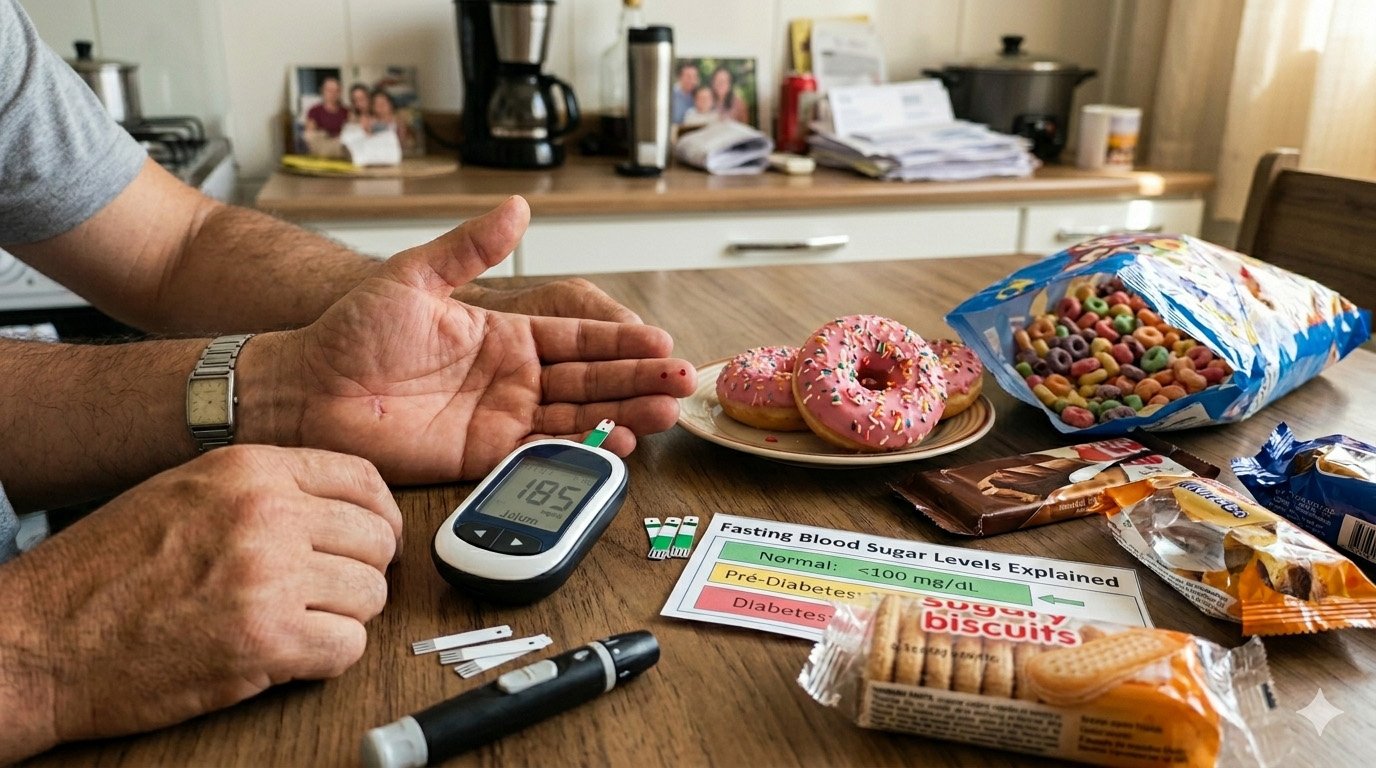
Blood Sugar and Cravings
VitaCoreBalance Editorial Team | Research-based health content • Editorial review process | March 2026
Introduction
Food cravings are a common experience, but persistent or intense cravings—especially for sugary or high-carbohydrate foods—are often closely linked to fluctuations in blood glucose. The relationship between blood sugar and cravings reflects how the body regulates energy, hormones, and appetite signals throughout the day.
When blood sugar rises and falls rapidly, the brain interprets these changes as a need for quick energy, triggering cravings. Over time, repeated blood sugar instability can disrupt Metabolism, alter Hormone Health, and affect hunger regulation. These patterns are also connected to Nutrition, Sleep Health, and daily energy balance.
Understanding how blood sugar influences cravings helps explain why some people struggle with persistent hunger, emotional eating, or difficulty maintaining healthy eating patterns. Managing glucose stability is a key step toward improving appetite control and long-term metabolic health.
What Are Blood Sugar Cravings?
Blood sugar cravings refer to strong urges to eat—typically sugary or refined carbohydrate foods—triggered by changes in blood glucose levels.
These cravings often occur when:
- Blood sugar drops quickly
- Meals are skipped or delayed
- High-sugar foods cause rapid spikes and crashes
- Stress hormones increase glucose demand
- Sleep deprivation disrupts appetite regulation
Cravings are not simply a lack of willpower. They are a physiological response involving glucose regulation, hormones, and brain signaling. This makes cravings an important indicator of how well the body manages Blood Sugar and energy supply.
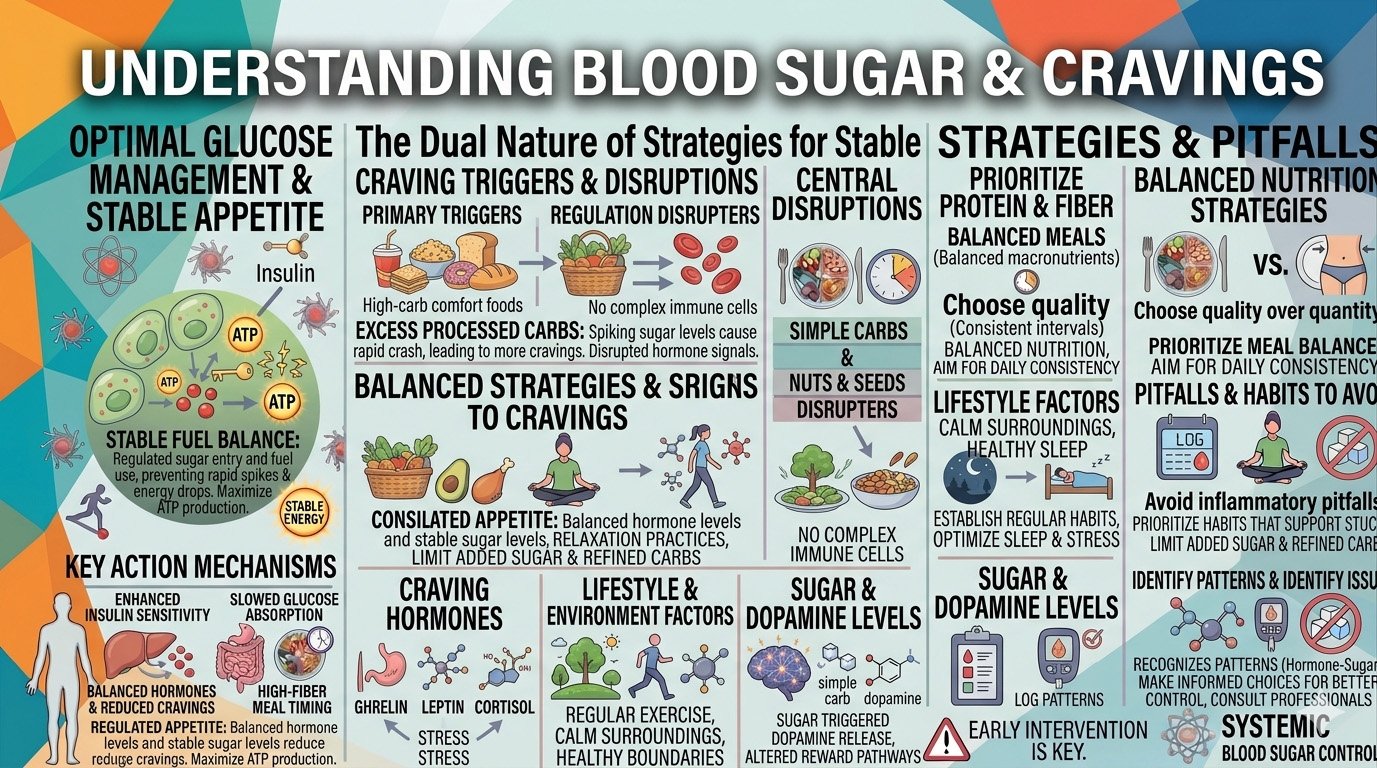
How Blood Sugar Influences Cravings (Physiology)
The brain relies heavily on glucose as its primary energy source. When blood sugar falls or fluctuates rapidly, the body activates mechanisms designed to restore energy quickly.
Key processes include:
- Blood sugar drops
- The brain detects reduced glucose availability
- Hunger hormones increase
- Cravings for fast energy foods develop
Hormones involved in this response include:
- Insulin
- Ghrelin (hunger hormone)
- Leptin (satiety hormone)
- Cortisol (stress hormone)
When blood sugar regulation becomes unstable:
- Hunger signals increase
- Satiety signals weaken
- Cravings become more frequent
- Energy levels fluctuate
These changes reflect interactions between Hormone Health, appetite regulation, and overall Metabolism.
Common Types of Cravings Linked to Blood Sugar
Not all cravings are the same. Specific patterns often reflect underlying glucose fluctuations.
Sugar Cravings
These are the most common type.
Typical triggers:
- Rapid drops in blood sugar
- High intake of refined carbohydrates
- Skipping meals
- Poor sleep
Common examples:
- Candy
- Chocolate
- Sugary drinks
- Desserts
Sugar cravings often follow blood sugar spikes, highlighting the connection between cravings and unstable Blood Sugar regulation.
Carbohydrate Cravings
Cravings for bread, pasta, or snack foods can signal energy imbalance.
Common causes:
- Low blood sugar
- High stress
- Irregular meal timing
- Intense physical activity
These cravings are strongly influenced by changes in Nutrition and energy demand.
Late-Night Cravings
Evening cravings often reflect hormonal and circadian rhythm changes.
Common triggers:
- Sleep deprivation
- Emotional stress
- Large gaps between meals
- Blood sugar instability
These patterns are closely connected to Sleep Health and hormone regulation.
Key Factors That Drive Blood Sugar Cravings
Cravings usually result from multiple biological and behavioral factors rather than a single cause.
1) Blood Sugar Spikes and Crashes
Rapid rises in glucose followed by sharp drops are a major trigger for cravings.
This pattern often occurs after consuming:
- Sugary foods
- Refined carbohydrates
- Ultra-processed snacks
- Sweetened beverages
These cycles can lead to repeated hunger signals and increased calorie intake.
2) Insulin Resistance
Insulin resistance reduces the body’s ability to move glucose into cells efficiently.
As a result:
- Cells receive less energy
- Hunger increases
- Cravings become more frequent
This condition is strongly associated with changes in Metabolism and long-term challenges with Weight Loss.
3) Poor Sleep
Sleep deprivation alters hormones that regulate hunger and appetite.
Effects include:
- Increased ghrelin (hunger hormone)
- Reduced leptin (satiety hormone)
- Increased cravings for high-calorie foods
Improving Sleep Health helps stabilize appetite and glucose regulation.
4) Chronic Stress
Stress activates cortisol, which increases glucose production and appetite.
Chronic stress can:
- Increase cravings for sugar and carbohydrates
- Promote emotional eating
- Disrupt energy balance
This highlights the connection between cravings and Hormone Health.
5) Nutrient Imbalances
Low intake of certain nutrients can contribute to cravings.
Common contributors:
- Low protein intake
- Low fiber intake
- Inadequate hydration
- Micronutrient deficiencies
Balanced Nutrition supports stable blood sugar and appetite regulation.
Symptoms That Suggest Blood Sugar-Related Cravings
Some signs indicate that cravings may be driven by glucose instability rather than simple hunger.
Common indicators include:
- Cravings shortly after meals
- Sudden hunger or shakiness
- Afternoon energy crashes
- Difficulty controlling portion sizes
- Irritability when hungry
- Frequent snacking
These patterns often overlap with symptoms described in Energy & Fatigue and unstable Blood Sugar regulation.
Health Risks of Frequent Blood Sugar Cravings
Persistent cravings can contribute to long-term metabolic problems if not addressed.
Metabolic Risks
- Weight gain
- Insulin resistance
- Prediabetes
- Type 2 diabetes
- Metabolic syndrome
These conditions reflect underlying changes in Metabolism.
Behavioral and Lifestyle Risks
Repeated cravings can affect daily habits and eating patterns.
Potential effects include:
- Overeating
- Emotional eating
- Poor dietary quality
- Irregular meal timing
- Reduced energy stability
These behaviors can make sustainable Weight Loss more difficult.
Cardiovascular Risks
Blood sugar instability contributes to inflammation and vascular stress.
Potential risks include:
- Elevated cholesterol
- Hypertension
- Increased cardiovascular risk
This connection reinforces the importance of stable glucose regulation for Heart Health.
Practical Strategies to Reduce Blood Sugar Cravings
Evidence-based lifestyle strategies can significantly reduce cravings and improve metabolic stability.
Build Balanced Meals
Include:
- Protein
- Fiber
- Healthy fats
- Complex carbohydrates
Balanced meals slow digestion and help maintain steady glucose levels, supporting stable Nutrition.
Eat Regularly
Consistent meal timing helps prevent large drops in blood sugar.
General guidance:
- Eat every 3–5 hours
- Avoid skipping meals
- Maintain consistent routines
This supports stable Metabolism and energy regulation.
Increase Fiber Intake
Fiber slows glucose absorption and improves satiety.
High-fiber foods include:
- Vegetables
- Legumes
- Whole grains
- Seeds
Fiber intake is strongly associated with better Gut Health and reduced cravings.
Improve Sleep Quality
Better sleep helps regulate hunger hormones and glucose control.
Benefits include:
- Reduced cravings
- Improved appetite regulation
- Better energy levels
Optimizing Sleep Health supports long-term metabolic balance.
Manage Stress
Reducing stress helps stabilize cortisol and appetite signals.
Effective strategies include:
- Physical activity
- Relaxation techniques
- Structured daily routines
- Adequate recovery time
These behaviors support healthy Hormone Health.
Why Blood Sugar and Cravings Matter
Cravings are often an early warning sign of metabolic imbalance. They can signal unstable glucose regulation before more serious health problems develop.
Monitoring cravings and stabilizing blood sugar can help:
- Improve appetite control
- Reduce overeating
- Support healthy weight management
- Maintain consistent energy levels
- Prevent chronic disease
Understanding the connection between cravings and glucose regulation is a practical step toward long-term metabolic health.
Final Thoughts
Blood sugar and cravings are deeply interconnected through hormones, brain signaling, and energy regulation. While occasional cravings are normal, frequent or intense cravings often reflect underlying metabolic instability.
Maintaining stable blood sugar requires coordination between:
- Metabolism
- Nutrition
- Hormone Health
- Sleep Health
- Energy & Fatigue
- Heart Health
- Gut Health
- Weight Loss
Addressing blood sugar stability is one of the most effective ways to reduce cravings and improve overall health.
FAQ — Blood Sugar and Cravings
Why do I crave sugar when I’m tired?
Fatigue reduces energy availability, and the body seeks quick sources of glucose. Poor sleep also increases hunger hormones, making cravings more likely.
Are sugar cravings a sign of low blood sugar?
They can be, but not always. Cravings may also result from stress, poor sleep, or habitual eating patterns.
How quickly can blood sugar changes trigger cravings?
Cravings can develop within minutes to hours after a rapid drop in blood sugar, especially after consuming high-sugar foods.
Medical Disclaimer
This content is for informational purposes only and does not constitute medical advice. Always consult a qualified healthcare professional.
Editorial Transparency
This article was created following evidence-based health content guidelines and reviewed by the VitaCoreBalance Editorial Team.
Sources
Centers for Disease Control and Prevention (CDC)
National Institute of Diabetes and Digestive and Kidney Diseases (NIDDK)
American Diabetes Association (ADA)
World Health Organization (WHO)
Hall KD. “Energy balance and appetite regulation.”
American Journal of Clinical Nutrition
Spiegel K. “Sleep loss and hunger hormones.”
Annals of Internal Medicine