
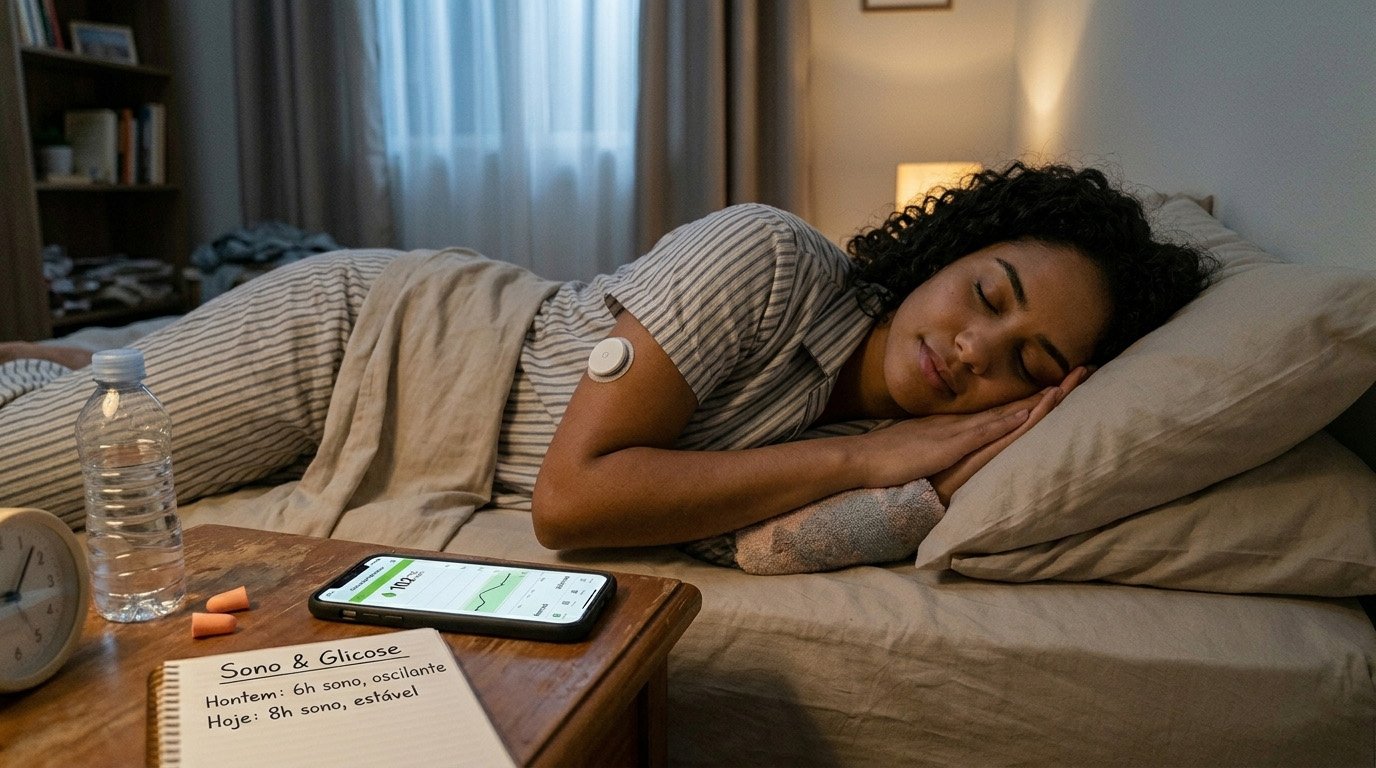
How to Fall Asleep Faster (Science-Based)
VitaCoreBalance Editorial Team | Research-based health content • Editorial review process | March 2026
Falling asleep quickly is essential for achieving restorative sleep and maintaining consistent energy levels throughout the day. When sleep onset is delayed, the body may struggle to complete normal sleep cycles, leading to fatigue, reduced concentration, and long-term health risks. Fortunately, research shows that specific behavioral and physiological strategies can significantly reduce the time it takes to fall asleep.
Sleep onset is closely connected to systems discussed across Sleep Health, Metabolism, and Hormone Health, while also influencing cardiovascular function and daily performance addressed in Heart Health and Energy & Fatigue. Understanding the science behind sleep readiness allows you to use evidence-based methods to improve sleep efficiency and overall health.
What Does It Mean to Fall Asleep Faster?
Falling asleep faster refers to reducing sleep latency, the time it takes to transition from wakefulness to sleep.
Healthy sleep latency typically ranges from:
10 to 20 minutes
Taking longer than 30 minutes to fall asleep regularly may indicate sleep disruption or poor sleep habits.
Healthy sleep onset supports:
- Restorative sleep cycles
- Stable energy levels
- Hormonal balance
- Cognitive performance
- Physical recovery
Sleep latency is one of the most important indicators of sleep quality.
The Science Behind Falling Asleep
Sleep begins when the nervous system shifts from alertness to relaxation. This process involves coordinated changes in brain activity, hormones, and body temperature.
Key physiological changes before sleep include:
- Increased melatonin production
- Reduced cortisol levels
- Lower body temperature
- Slower heart rate
- Reduced brain stimulation
These biological processes help prepare the body for deep sleep and recovery.
Common Reasons You Can’t Fall Asleep Quickly
Difficulty falling asleep often results from lifestyle factors that disrupt the body’s natural sleep rhythm.
Stress and Mental Overactivity
Stress activates the nervous system and increases alertness, making it difficult to relax.
Common effects include:
- Racing thoughts
- Muscle tension
- Restlessness
- Delayed sleep onset
Stress regulation supports hormonal balance discussed in Hormone Health.
Irregular Sleep Schedule
Going to bed at different times each night disrupts the circadian rhythm.
This may lead to:
- Difficulty falling asleep
- Reduced sleep efficiency
- Daytime fatigue
Circadian rhythm stability supports systems discussed in Sleep Health.
Excess Screen Time
Blue light exposure suppresses melatonin production and delays sleep readiness.
This may cause:
- Delayed sleep onset
- Reduced sleep quality
- Shorter sleep duration
Light exposure directly affects hormonal regulation discussed in Hormone Health.
Caffeine and Stimulants
Caffeine stimulates the nervous system and can remain active in the body for several hours.
Common sources include:
- Coffee
- Energy drinks
- Tea
- Certain medications
Reducing stimulant intake supports sleep timing.
Poor Sleep Environment
Environmental factors strongly influence sleep readiness.
Sleep-disrupting conditions may include:
- Noise
- Bright light
- High room temperature
- Uncomfortable bedding
Optimizing the sleep environment improves sleep efficiency.
Science-Based Strategies to Fall Asleep Faster
Research consistently shows that small, consistent changes in behavior can significantly improve sleep onset.
Maintain a Consistent Sleep Schedule
Going to bed and waking up at the same time each day helps regulate the body’s internal clock.
Benefits include:
- Faster sleep onset
- Improved sleep quality
- Stable energy levels
Consistency strengthens circadian rhythm regulation discussed in Sleep Health.
Create a Relaxing Pre-Sleep Routine
A calming routine signals the body that it is time to sleep.
Helpful activities include:
- Reading
- Gentle stretching
- Meditation
- Deep breathing
Relaxation helps transition the nervous system into sleep mode.
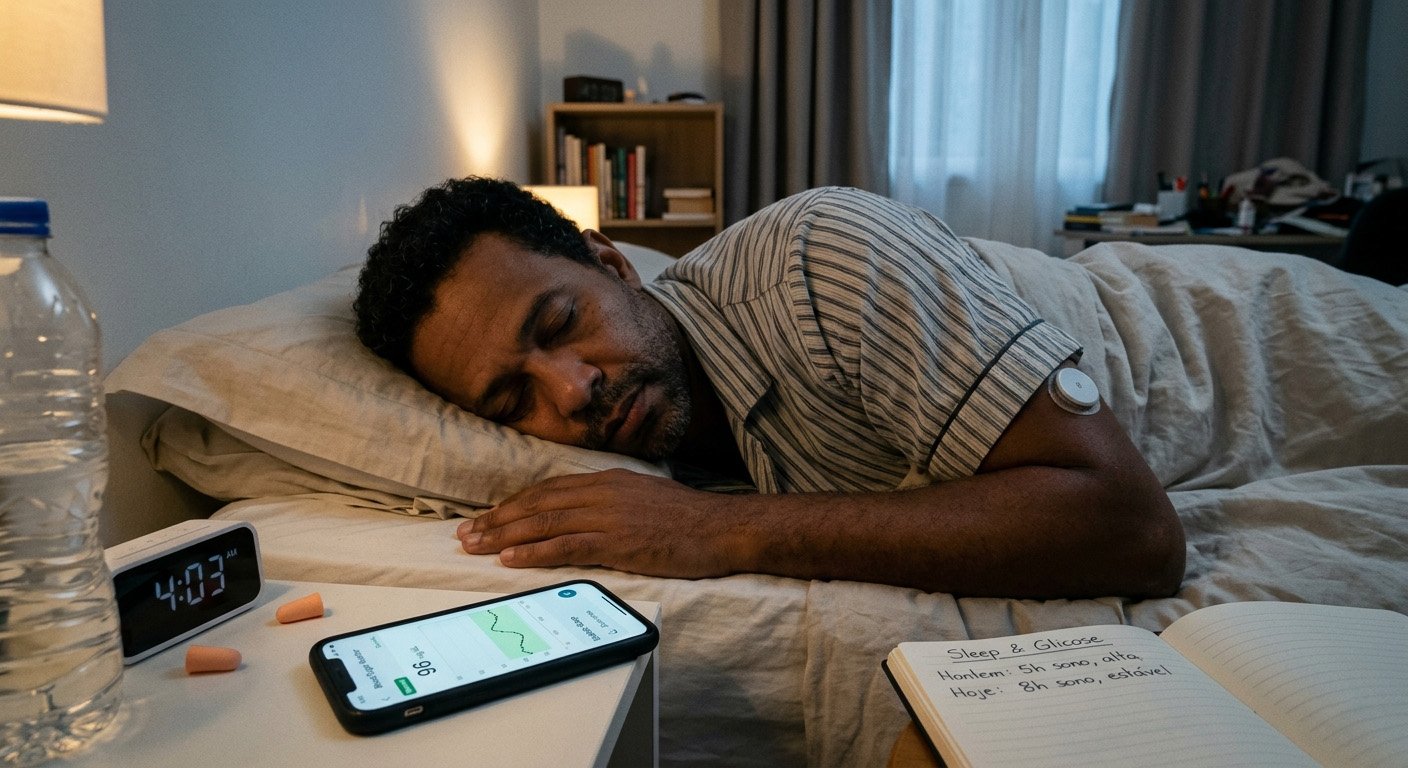
Reduce Light Exposure at Night
Limiting light exposure helps increase melatonin production.
Helpful habits include:
- Turning off screens before bedtime
- Using dim lighting
- Avoiding bright lights
These habits support hormonal regulation discussed in Hormone Health.
Keep Your Bedroom Cool
Temperature affects the body’s ability to fall asleep.
Optimal sleep temperature:
18–20°C (64–68°F)
Cool environments promote faster sleep onset.
Avoid Late Caffeine Intake
Caffeine can stay in the body for up to:
6–8 hours
Reducing caffeine intake improves sleep timing and sleep quality.
Get Morning Sunlight
Exposure to natural light early in the day helps regulate circadian rhythm.
Benefits include:
- Improved sleep timing
- Increased alertness
- Better nighttime sleep
Light exposure supports systems discussed in Sleep Health.
Exercise Regularly
Physical activity helps reduce stress and improve sleep efficiency.
Benefits include:
- Faster sleep onset
- Reduced anxiety
- Improved sleep quality
Exercise supports cardiovascular stability discussed in Heart Health.
Techniques That Can Help You Fall Asleep Faster
Certain relaxation techniques have strong scientific support for improving sleep onset.
Deep Breathing
Slow breathing reduces heart rate and activates the body’s relaxation response.
Benefits include:
- Reduced stress
- Improved relaxation
- Faster sleep onset
Progressive Muscle Relaxation
This technique involves tightening and relaxing muscle groups.
Benefits include:
- Reduced muscle tension
- Improved relaxation
- Better sleep readiness
Mindfulness and Meditation
Mindfulness helps calm mental activity before sleep.
Benefits include:
- Reduced anxiety
- Improved emotional regulation
- Better sleep quality
These techniques support nervous system balance.
When to Seek Medical Advice
Difficulty falling asleep should be evaluated if it persists.
Consult a healthcare provider if you experience:
- Chronic insomnia
- Severe daytime fatigue
- Loud snoring
- Breathing interruptions during sleep
- Sleep problems lasting several weeks
Early evaluation can prevent long-term health complications.
Why Falling Asleep Faster Matters
Falling asleep efficiently allows the body to complete normal sleep cycles and achieve deep sleep. Persistent difficulty falling asleep can disrupt hormone regulation, metabolism, and cardiovascular health.
Healthy sleep onset supports:
- Improved recovery
- Stable energy levels
- Better concentration
- Balanced hormones
- Reduced disease risk
Because sleep timing influences multiple systems simultaneously, improving sleep onset supports prevention strategies across Sleep Health, Metabolism, Hormone Health, Heart Health, and Energy & Fatigue.
Final Thoughts
Falling asleep faster is not about forcing sleep — it is about creating the right biological conditions for sleep to occur naturally. By managing stress, maintaining consistent routines, and optimizing the sleep environment, most people can significantly reduce the time it takes to fall asleep.
Small changes can produce meaningful improvements in sleep quality and long-term health.
Better sleep onset leads to better recovery — and better performance.
Medical Disclaimer
This content is for informational purposes only and does not constitute medical advice. Always consult a qualified healthcare professional.
Editorial Transparency
This article was created following evidence-based health content guidelines and reviewed by the VitaCoreBalance Editorial Team.
Sources
- https://www.sleepfoundation.org/how-sleep-works/how-to-fall-asleep-fast
- https://www.nhlbi.nih.gov/health/sleep
- https://www.cdc.gov/sleep/about_sleep/sleep_hygiene.html
- https://www.mayoclinic.org/healthy-lifestyle/adult-health/in-depth/sleep/art-20048379
- https://www.health.harvard.edu/staying-healthy/how-to-get-a-good-nights-sleep
- https://my.clevelandclinic.org/health/articles/12119-sleep-hygiene