
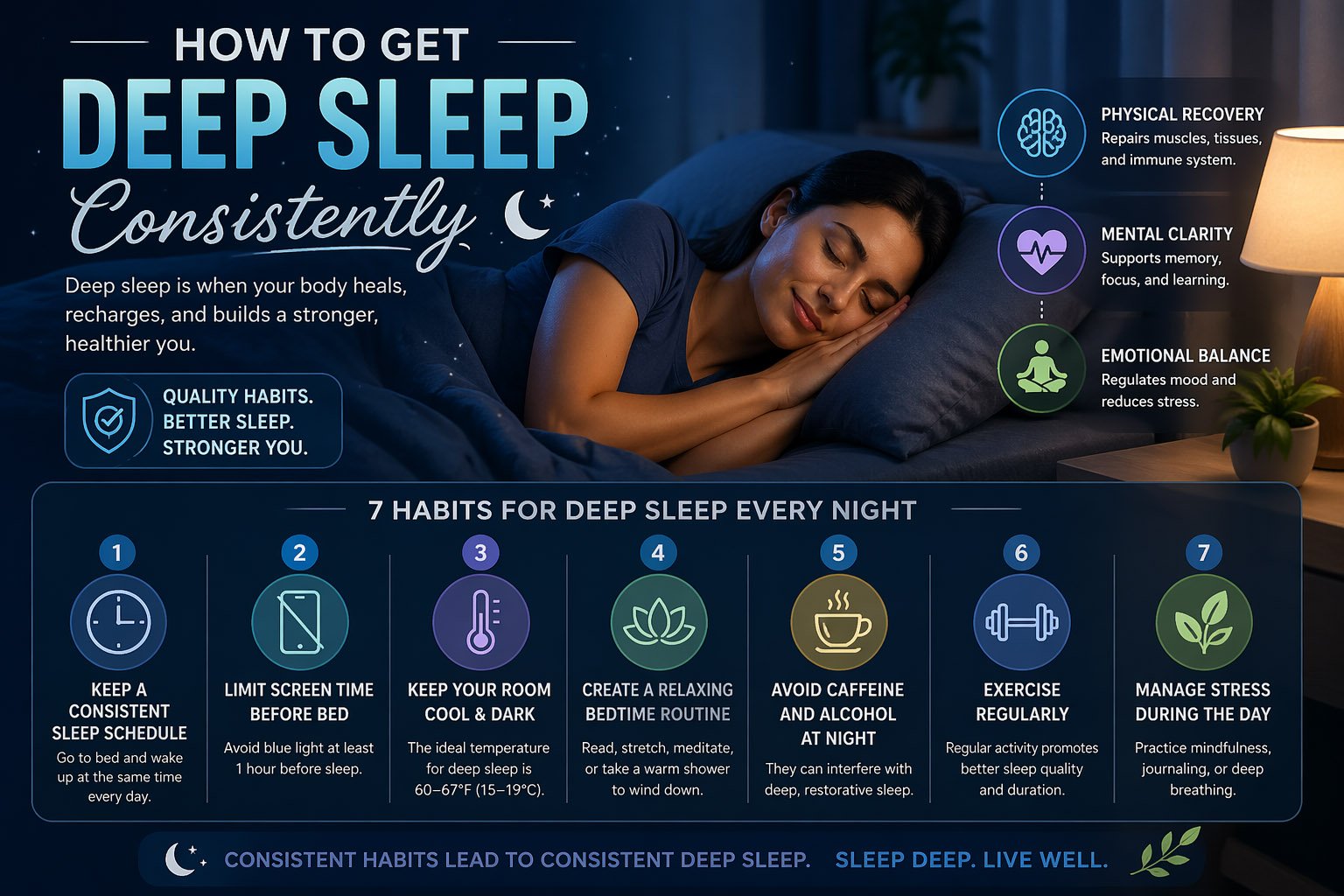
How to Get Deep Sleep Consistently
VitaCoreBalance Editorial Team | Research-based health content • Editorial review process | March 2026
Deep sleep is the stage of sleep most responsible for physical recovery, immune support, and energy restoration. During this phase, the body repairs tissues, strengthens the immune system, and releases growth hormone. However, many people struggle to reach deep sleep consistently, even when they spend enough time in bed.
Sleep quality depends not only on how long you sleep but also on how well your body cycles into deep sleep. Lifestyle habits, stress levels, and daily routines can significantly influence how much deep sleep you get each night.
Understanding how to support deep sleep naturally can improve energy, recovery, and long-term health. For example, establishing a consistent evening routine is one of the most effective ways to prepare the body for restorative sleep, as explained in our guide on best bedtime routine for deep sleep.
Why Deep Sleep Is So Important
Deep sleep, also known as slow-wave sleep, is the most physically restorative stage of the sleep cycle. It plays a central role in maintaining overall health.
Deep sleep supports:
Physical recovery and tissue repair
Immune system strength
Muscle recovery
Hormone regulation
Energy restoration
Reduced inflammation
Adults typically spend:
13% to 23% of total sleep time in deep sleep
Consistently low deep sleep can lead to fatigue, weakened immunity, and slower recovery. Many people experiencing these symptoms also struggle to fall asleep quickly at night, which is why learning practical strategies from evidence-based methods to fall asleep faster can help improve overall sleep quality.
Signs You May Not Be Getting Enough Deep Sleep
Many people assume they are sleeping well simply because they spend enough hours in bed. However, poor deep sleep can still leave you feeling tired.
Common signs include:
Waking up feeling unrefreshed
Persistent fatigue
Muscle soreness
Frequent illness
Brain fog
Low energy levels
Difficulty recovering after physical activity
If these symptoms occur regularly, improving deep sleep quality may help. In many cases, people who wake up tired every day are not lacking sleep time but rather experiencing disrupted sleep cycles, a topic explored in detail in our article on why you feel tired even after sleeping.
How the Body Enters Deep Sleep
Deep sleep typically occurs during the first half of the night and depends heavily on circadian rhythm and sleep pressure.
Your body enters deep sleep when:
The nervous system relaxes
Body temperature drops
Melatonin levels rise
Stress hormones decrease
Sleep pressure builds
Disruptions to these processes can reduce deep sleep duration. Fortunately, several practical habits — including light exposure management, consistent sleep timing, and stress reduction — can significantly improve sleep depth and continuity. You can explore additional science-based techniques in our guide on how to improve sleep quality naturally, which covers daily behaviors that support deeper and more restorative sleep.
Stress and High Cortisol
Chronic stress keeps the nervous system alert, making it harder for the body to transition into deep sleep.
Alcohol Before Bed
Alcohol can initially cause drowsiness but reduces deep sleep later in the night.
Irregular Sleep Schedule
Inconsistent bedtimes disrupt the body’s internal clock and reduce deep sleep.
Late-Night Screen Exposure
Blue light from screens can suppress melatonin and delay deep sleep onset.
Poor Sleep Environment
Noise, light, and uncomfortable temperatures can prevent the body from reaching deep sleep.
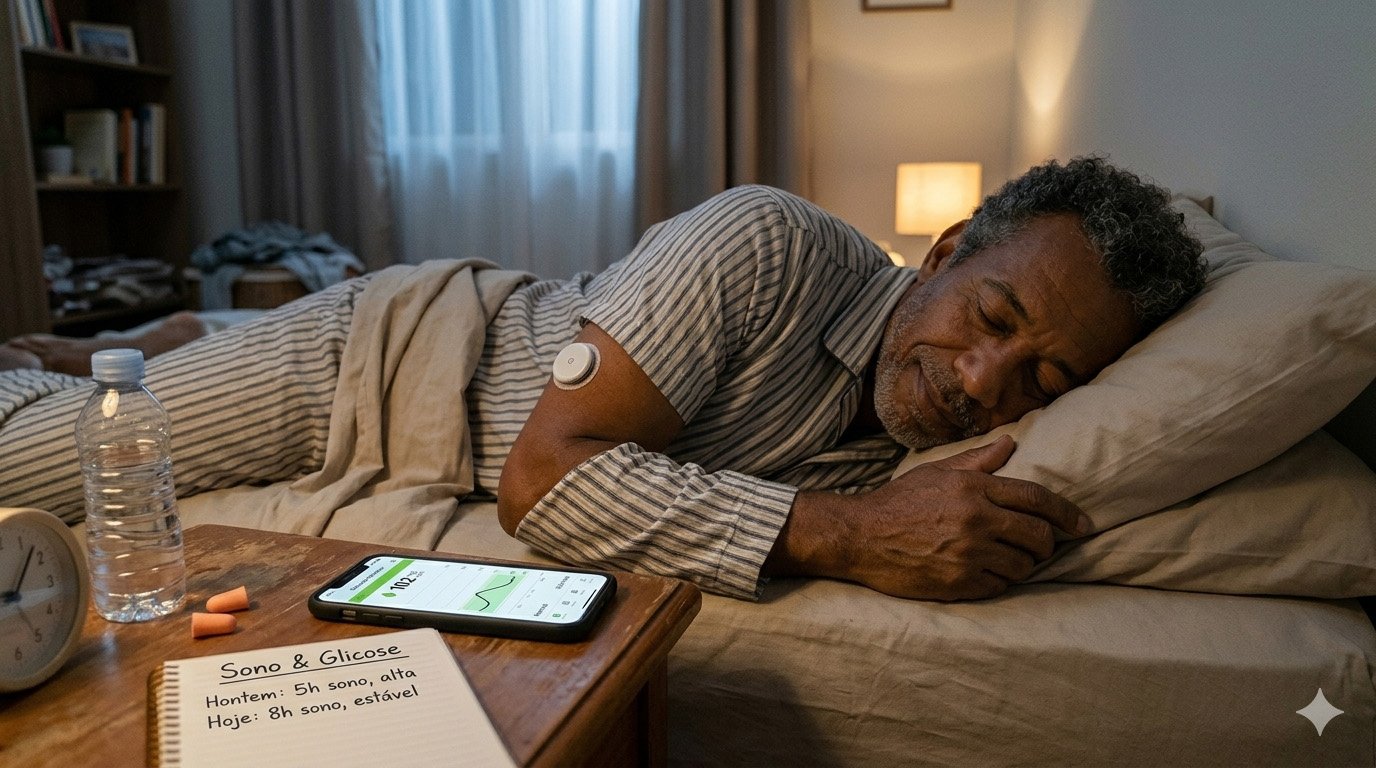
How to Get Deep Sleep Consistently
Improving deep sleep often requires small but consistent lifestyle changes.
Maintain a Consistent Sleep Schedule
Going to bed and waking up at the same time every day helps regulate the body’s sleep cycle.
Consistency is one of the strongest predictors of deep sleep quality.
Keep Your Bedroom Cool
A slightly cooler room helps the body transition into deep sleep more easily.
Recommended temperature:
60°F to 67°F (15°C to 19°C)
Reduce Light Exposure at Night
Darkness signals the brain to produce melatonin, a hormone essential for sleep.
Helpful strategies include:
- Dimming lights in the evening
- Using blackout curtains
- Avoiding bright screens before bed
Exercise Regularly
Physical activity increases sleep pressure and promotes deeper sleep.
Best timing:
- Morning or afternoon exercise
- Avoid intense workouts right before bed
Manage Stress Before Bed
Relaxation techniques help calm the nervous system and support deep sleep.
Effective methods include:
- Deep breathing
- Meditation
- Reading
- Light stretching
- Warm showers
Limit Caffeine in the Afternoon
Caffeine can remain in the body for several hours and interfere with deep sleep.
Experts recommend:
Avoid caffeine 6 to 8 hours before bedtime
Eat Dinner Earlier
Large meals close to bedtime can disrupt sleep quality.
Try to finish eating:
2 to 3 hours before sleep
Get Enough Total Sleep
Deep sleep occurs mostly in the early part of the night. Sleeping fewer hours reduces deep sleep time.
Most adults need:
7 to 9 hours of sleep per night
When to Seek Medical Advice
Persistent sleep problems may indicate an underlying sleep disorder.
Consider consulting a healthcare professional if you experience:
- Chronic fatigue
- Loud snoring
- Frequent nighttime awakenings
- Difficulty staying asleep
- Excessive daytime sleepiness
Conditions such as sleep apnea and insomnia can significantly reduce deep sleep.
The Bottom Line
Deep sleep is essential for physical recovery, immune health, and daily energy. Consistently getting enough deep sleep requires healthy routines, stress management, and a supportive sleep environment. Small lifestyle changes can lead to significant improvements in sleep quality and overall well-being.
Recommended Supplements:


Adaptogenic compounds that may help reduce stress and support relaxation and sleep quality

Medical Disclaimer
This content is for informational purposes only and does not constitute medical advice. Always consult a qualified healthcare professional.
Editorial Transparency
This article was created following evidence-based health content guidelines and reviewed by the VitaCoreBalance Editorial Team.