

How Pandemics Shaped Civilizations
VitaCoreBalance Editorial Team | Research-based health content • Editorial review process | March 2026
Introduction
Throughout history, pandemics have acted as powerful forces that reshaped civilizations. Far beyond causing illness and death, widespread infectious diseases have transformed economies, altered political systems, accelerated scientific progress, and changed the course of human development.
From the devastating waves of the Black Death in medieval Europe to the global disruption caused by COVID-19, pandemics have repeatedly exposed societal vulnerabilities while also driving innovation in medicine, sanitation, and public health. Understanding how pandemics shaped civilizations helps us better prepare for future global health threats.
The Black Death and the Transformation of Europe
One of the most significant pandemics in human history was the Black Death, which swept across Europe, Asia, and North Africa in the 14th century. Caused by the bacterium Yersinia pestis, this pandemic killed an estimated 30% to 60% of Europe’s population between 1347 and 1351.
The consequences went far beyond mortality.
Major societal changes triggered by the Black Death:
- Severe labor shortages increased wages for workers
- Feudal systems weakened across Europe
- Urbanization accelerated
- Public health awareness began to develop
- Religious and cultural shifts emerged
With fewer workers available, surviving laborers gained bargaining power. This economic shift helped weaken rigid feudal structures and contributed to the transition toward more modern economic systems.
The 1918 Influenza Pandemic and Modern Public Health
The 1918 influenza pandemic, commonly known as the Spanish Flu, infected roughly one-third of the global population and caused an estimated 50 million deaths worldwide.
This pandemic marked a turning point in public health infrastructure.
Key changes after the 1918 pandemic:
- Creation of national health agencies
- Development of disease surveillance systems
- Expansion of hospital capacity
- Increased investment in epidemiology
- Improved sanitation policies
Governments recognized the need for coordinated responses to infectious diseases. As a result, public health became a permanent priority in many countries.
Pandemics and the Rise of Public Health Systems
Before modern medicine, outbreaks were often attributed to supernatural causes. Over time, pandemics forced societies to adopt scientific approaches to disease prevention.
Repeated epidemics led to the development of:
- Vaccination programs
- Quarantine systems
- Clean water infrastructure
- Waste management systems
- Disease monitoring networks
These changes dramatically increased life expectancy and reduced mortality rates worldwide.
Today, many basic public health practices exist because past pandemics revealed the dangers of poor sanitation and uncontrolled disease spread.
Economic Disruption and Innovation
Pandemics have historically triggered both economic collapse and innovation.
Common economic effects of pandemics:
Short-term:
- Business closures
- Job losses
- Supply chain disruptions
- Reduced productivity
Long-term:
- Technological advancement
- New industries
- Labor market restructuring
- Changes in trade patterns
For example, the COVID-19 pandemic accelerated the adoption of:
- Remote work
- Telemedicine
- Digital commerce
- Automation
- Artificial intelligence in healthcare
In many cases, crises forced rapid innovation that might otherwise have taken decades.
Social and Cultural Transformations
Pandemics do not only affect health systems—they reshape human behavior.
Historically, widespread disease outbreaks have influenced:
- Family structures
- Religious beliefs
- Migration patterns
- Urban planning
- Education systems
For instance, after repeated outbreaks of infectious diseases in crowded cities, governments introduced zoning laws, sanitation regulations, and housing reforms designed to reduce transmission risks.
Modern cities—with sewage systems, clean drinking water, and public health departments—are direct results of lessons learned from past epidemics.
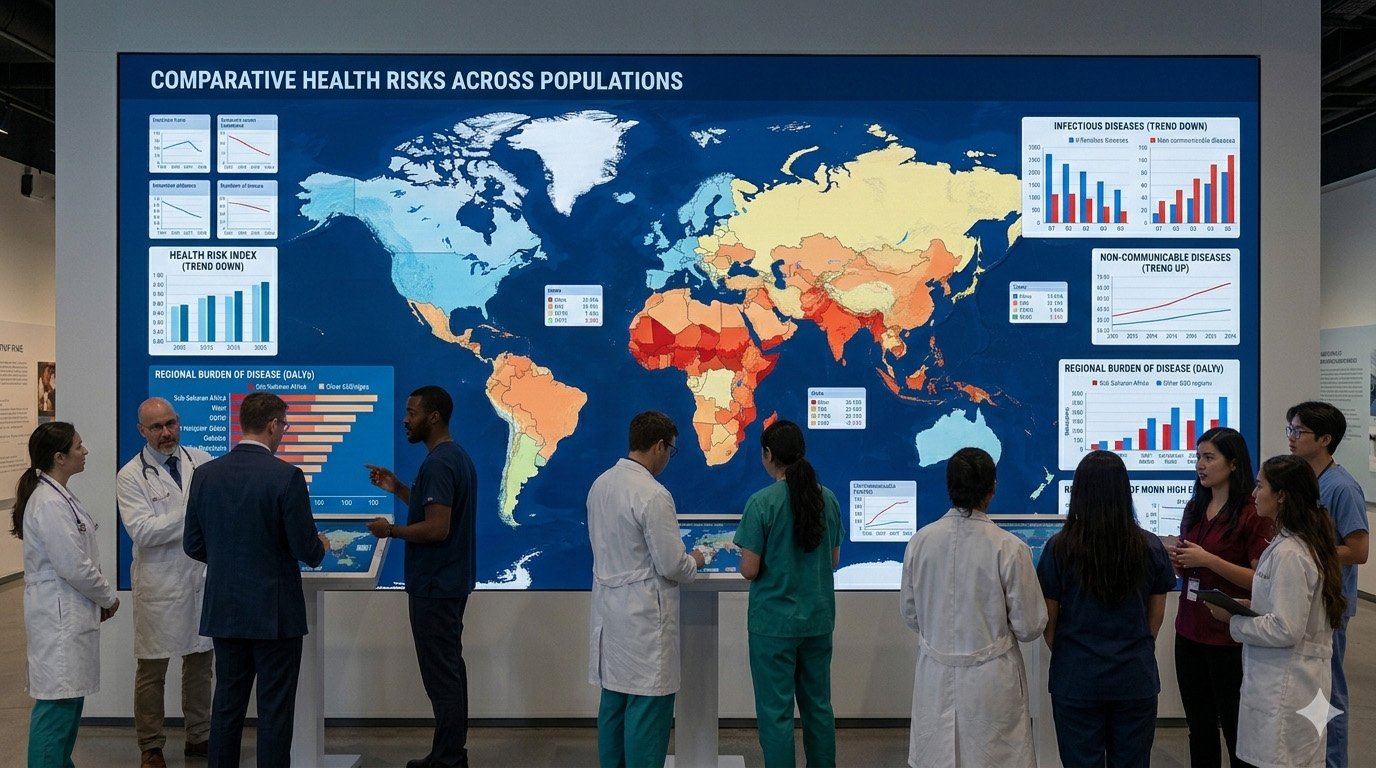
Scientific Breakthroughs Driven by Pandemics
Many major medical discoveries were accelerated by pandemics.
Examples of scientific progress linked to pandemics:
- Development of vaccines
- Discovery of antibiotics
- Advances in virology
- Creation of intensive care units
- Global disease surveillance systems
Pandemics often create urgency that drives funding, research, and collaboration across countries.
The rapid development of COVID-19 vaccines demonstrated how scientific innovation can occur at unprecedented speed when global resources are mobilized.
Globalization and the Spread of Disease
As transportation networks expanded, diseases began spreading faster and farther.
Modern pandemics are influenced by:
- International travel
- Urban density
- Global trade
- Climate change
- Population growth
While globalization increases transmission risk, it also enables faster information sharing and coordinated responses between nations.
Lessons Civilizations Learned from Pandemics
History shows that pandemics repeatedly force societies to adapt.
Core lessons from past pandemics:
- Preparedness saves lives
- Early detection reduces spread
- Public communication is essential
- Healthcare infrastructure must be resilient
- Global cooperation improves outcomes
These lessons continue to shape public health strategies today.
Why Pandemics Will Continue to Shape the Future
Pandemics are not rare historical events—they are recurring features of human civilization.
Experts warn that future outbreaks are likely due to:
- Climate change
- Wildlife-human interaction
- Antibiotic resistance
- Urban crowding
- Global mobility
However, modern medicine, data systems, and international cooperation have significantly improved humanity’s ability to respond.
The civilizations that adapt fastest will be the most resilient.
Conclusion
Pandemics have repeatedly changed the trajectory of human history. They have reshaped economies, transformed governments, accelerated science, and improved public health systems. While devastating, these crises often lead to lasting progress.
Understanding how pandemics shaped civilizations provides critical insight into how societies can prepare for future health threats and build stronger, more resilient communities.
Medical Disclaimer
This content is for informational purposes only and does not constitute medical advice. Always consult a qualified healthcare professional.
Editorial Transparency
This article was created following evidence-based health content guidelines and reviewed by the VitaCoreBalance Editorial Team.