
Insights That Challenge Common Assumptions
Rethinking What We Believe About Health, Biology, and the Human Body
VitaCoreBalance Editorial Team | Research-based health content • Editorial review process | March 2026
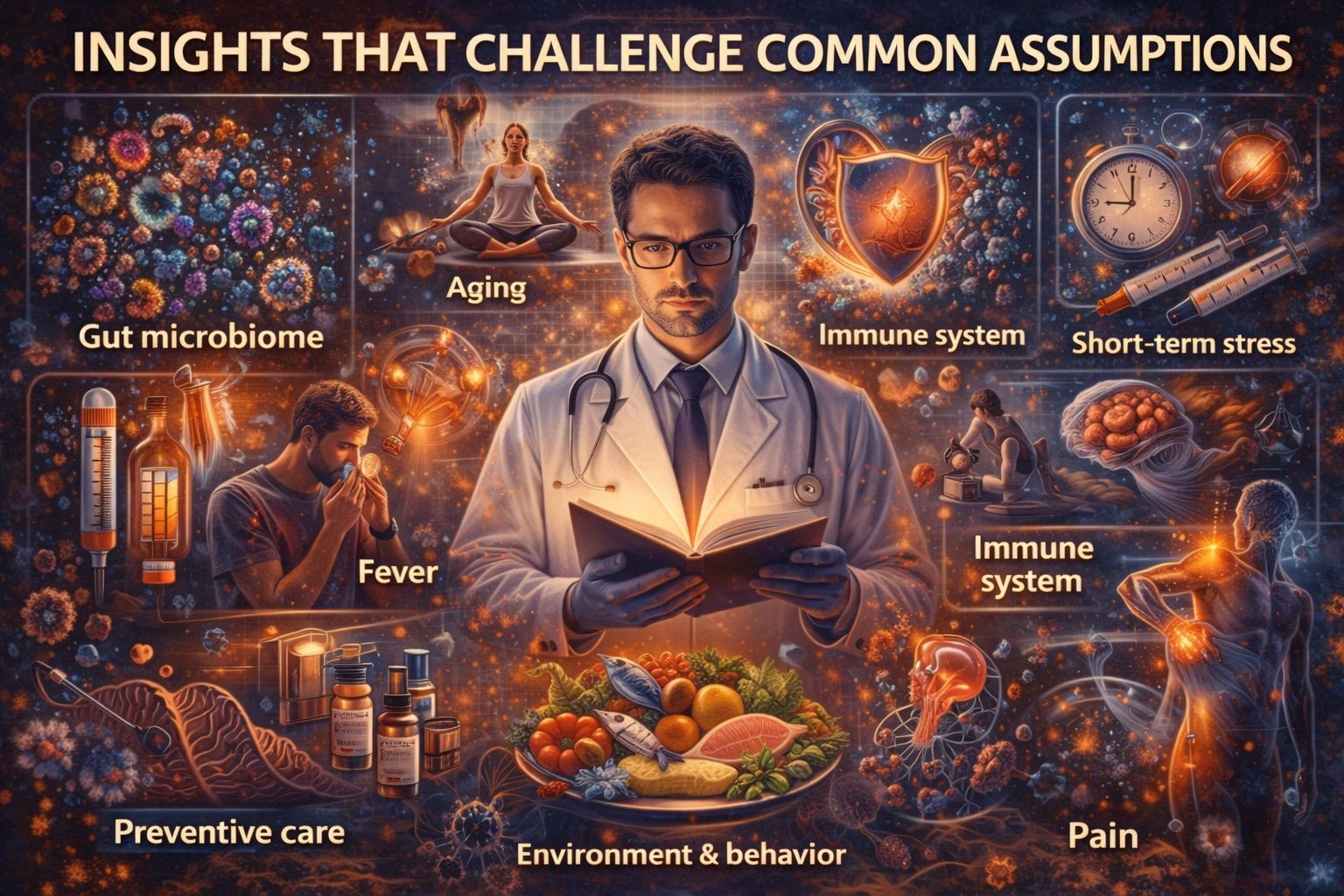
Human understanding of health and biology has evolved dramatically over time. Many ideas once considered obvious truths have later been revised or replaced by new scientific evidence. This process is not a sign of failure in science—it is evidence of progress. Scientific knowledge grows through observation, experimentation, and continuous reevaluation.
Some of the most important advances in medicine have come from challenging widely accepted assumptions. These insights have reshaped how we understand disease, prevention, aging, and human physiology. They have also influenced public health policies, clinical practice, and individual health decisions.
This article explores key scientific insights that challenge common assumptions about the human body, health, and medicine. These examples demonstrate how evidence-based research can overturn misconceptions and lead to safer, more effective healthcare.
Not All Bacteria Are Harmful
Microorganisms Are Essential for Health
For decades, bacteria were primarily associated with infection and disease. This view led to widespread efforts to eliminate microbes from daily life. However, modern research has revealed that many microorganisms are not only harmless but essential for survival.
The human body contains trillions of microorganisms collectively known as:
The microbiome.
These microbes perform critical functions:
- Supporting digestion
- Producing vitamins
- Training the immune system
- Protecting against harmful pathogens
- Regulating inflammation
Disruptions to the microbiome have been linked to:
- Digestive disorders
- Allergies
- Metabolic diseases
- Immune dysfunction
This insight has transformed medical thinking. Instead of trying to eliminate all bacteria, modern medicine now focuses on maintaining microbial balance.
Fever Is Not Always Dangerous
It Is Often a Protective Response
Fever is commonly viewed as a symptom that must be suppressed immediately. In reality, fever is a natural defense mechanism that helps the body fight infection.
When body temperature rises:
- Immune cells become more active
- Pathogens may reproduce more slowly
- Inflammatory responses increase
Mild to moderate fever can therefore support recovery.
However, extremely high or prolonged fever can become dangerous, especially in:
- Infants
- Older adults
- Individuals with chronic illness
Understanding fever as a protective response has changed how clinicians manage infections, emphasizing monitoring rather than automatic suppression.
Aging Does Not Necessarily Mean Decline
Many Biological Functions Remain Stable
Aging is often associated with inevitable deterioration in physical and cognitive abilities. While some changes are natural, research shows that many functions can remain stable or improve with appropriate lifestyle factors.
Healthy aging is influenced by:
- Physical activity
- Nutrition
- Sleep quality
- Social engagement
- Preventive healthcare
Studies have demonstrated that older adults can maintain:
- Cognitive performance
- Muscle strength
- Cardiovascular health
- Independence
This insight challenges the assumption that aging automatically leads to disability.
Stress Is Not Always Harmful
Short-Term Stress Can Improve Performance
Stress is widely perceived as damaging to health. Chronic stress is indeed associated with negative outcomes, including cardiovascular disease and mental health disorders. However, short-term stress can produce beneficial effects.
This type of stress is often called:
Acute stress.
During short-term stress, the body releases hormones such as:
- Adrenaline
- Cortisol
These hormones can:
- Increase alertness
- Improve reaction time
- Enhance memory formation
- Boost physical performance
This response evolved to help humans respond quickly to danger.
The key factor is duration.
Chronic stress can harm health, but temporary stress can improve survival and performance.
The Brain Can Change Throughout Life
Neuroplasticity Continues Into Old Age
It was once believed that the brain stopped developing after childhood. Modern neuroscience has shown that the brain remains adaptable throughout life.
This ability is called:
Neuroplasticity.
Neuroplasticity allows the brain to:
- Form new connections
- Adapt to injury
- Learn new skills
- Recover from damage
Examples include:
- Stroke recovery
- Language learning in adulthood
- Skill development later in life
This insight has revolutionized rehabilitation medicine and education.
More Medical Care Does Not Always Mean Better Health
Prevention Often Has Greater Impact
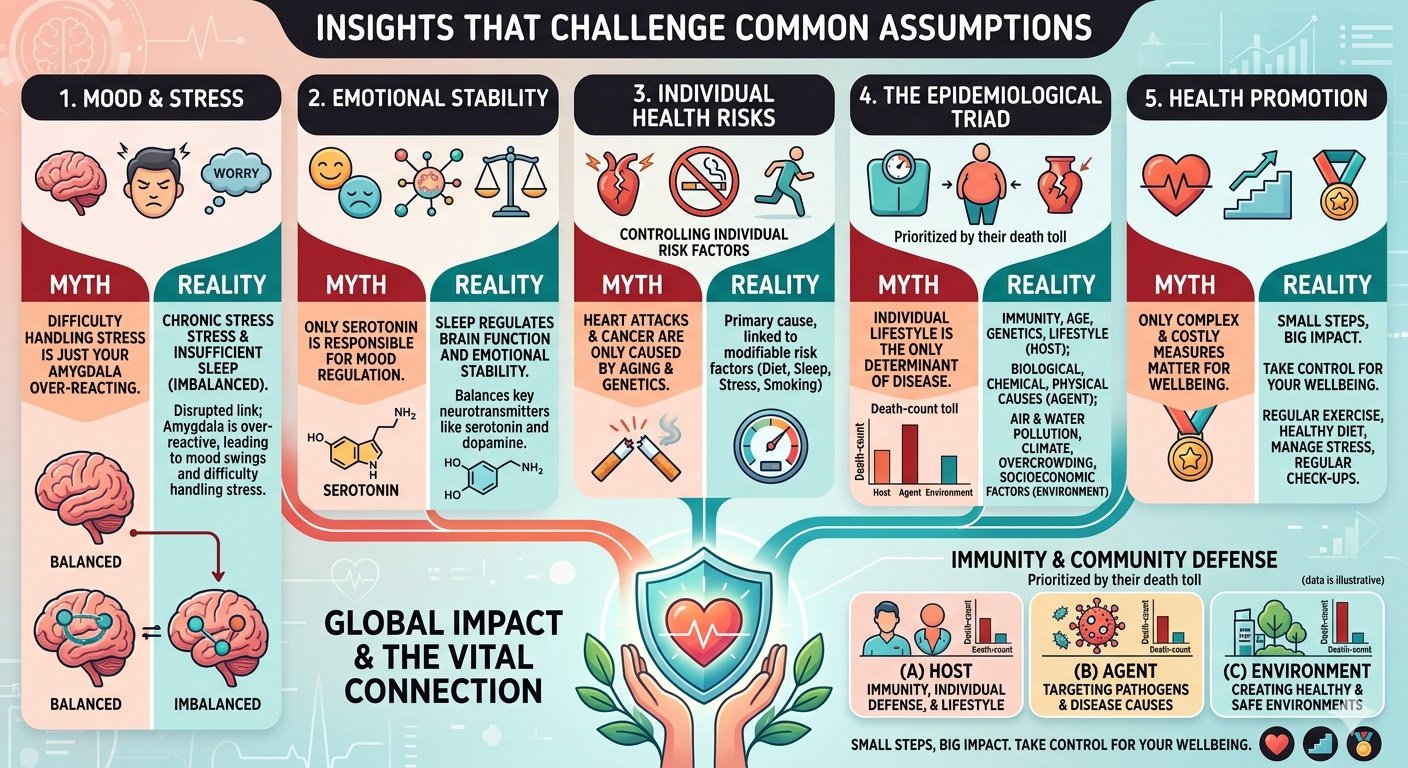
A common assumption is that advanced medical treatment is the primary driver of improved health outcomes. While treatment is essential, many health improvements come from prevention.
Major contributors to longer life expectancy include:
- Vaccination
- Sanitation
- Nutrition
- Clean water
- Public health measures
Preventive care reduces disease risk before illness develops, often providing greater benefit than treatment alone.
This insight has reshaped healthcare systems worldwide.
Pain Does Not Always Indicate Injury Severity
Perception of Pain Is Complex
Pain is often assumed to reflect the severity of physical damage. In reality, pain perception is influenced by multiple factors, including:
- Nervous system activity
- Emotional state
- Previous experiences
- Cultural expectations
- Stress levels
Some individuals experience severe pain with minor injury, while others feel little pain despite significant tissue damage.
This understanding has led to more comprehensive approaches to pain management, combining physical and psychological strategies.
Health Is Influenced by Environment and Behavior
Genetics Is Only Part of the Picture
Genetics plays an important role in health, but lifestyle and environment often have a greater influence on disease risk.
Key environmental and behavioral factors include:
- Diet
- Physical activity
- Sleep
- Exposure to toxins
- Social conditions
Even individuals with genetic risk factors can significantly reduce disease risk through healthy behaviors.
This insight supports the growing emphasis on preventive medicine and lifestyle interventions.
The Immune System Is Highly Adaptable
It Learns From Experience
The immune system is not static. It develops memory after exposure to pathogens or vaccines.
This process allows faster and more effective responses during future infections.
Immune memory explains why:
- Vaccines provide long-term protection
- Reinfections are often less severe
- Childhood exposure to pathogens can shape immunity
Understanding immune adaptability has been fundamental to modern infectious disease control.
Conclusion
Scientific progress often begins by questioning assumptions. Insights that challenge conventional beliefs have led to safer medical practices, improved treatments, and better health outcomes worldwide. These discoveries demonstrate that health and biology are dynamic fields shaped by continuous learning.
Recognizing that some assumptions may be incomplete or outdated encourages critical thinking and evidence-based decision-making. As research continues to expand our understanding of the human body, new insights will continue to reshape medicine and improve human health.
Medical Disclaimer
This content is for informational purposes only and does not constitute medical advice. Always consult a qualified healthcare professional.
Editorial Transparency
This article was created following evidence-based health content guidelines and reviewed by the VitaCoreBalance Editorial Team.
Sources
World Health Organization (WHO)
https://www.who.int
Centers for Disease Control and Prevention (CDC)
https://www.cdc.gov
National Institutes of Health (NIH)
https://www.nih.gov
Mayo Clinic
https://www.mayoclinic.org
Cleveland Clinic
https://my.clevelandclinic.org
MedlinePlus
https://medlineplus.gov