
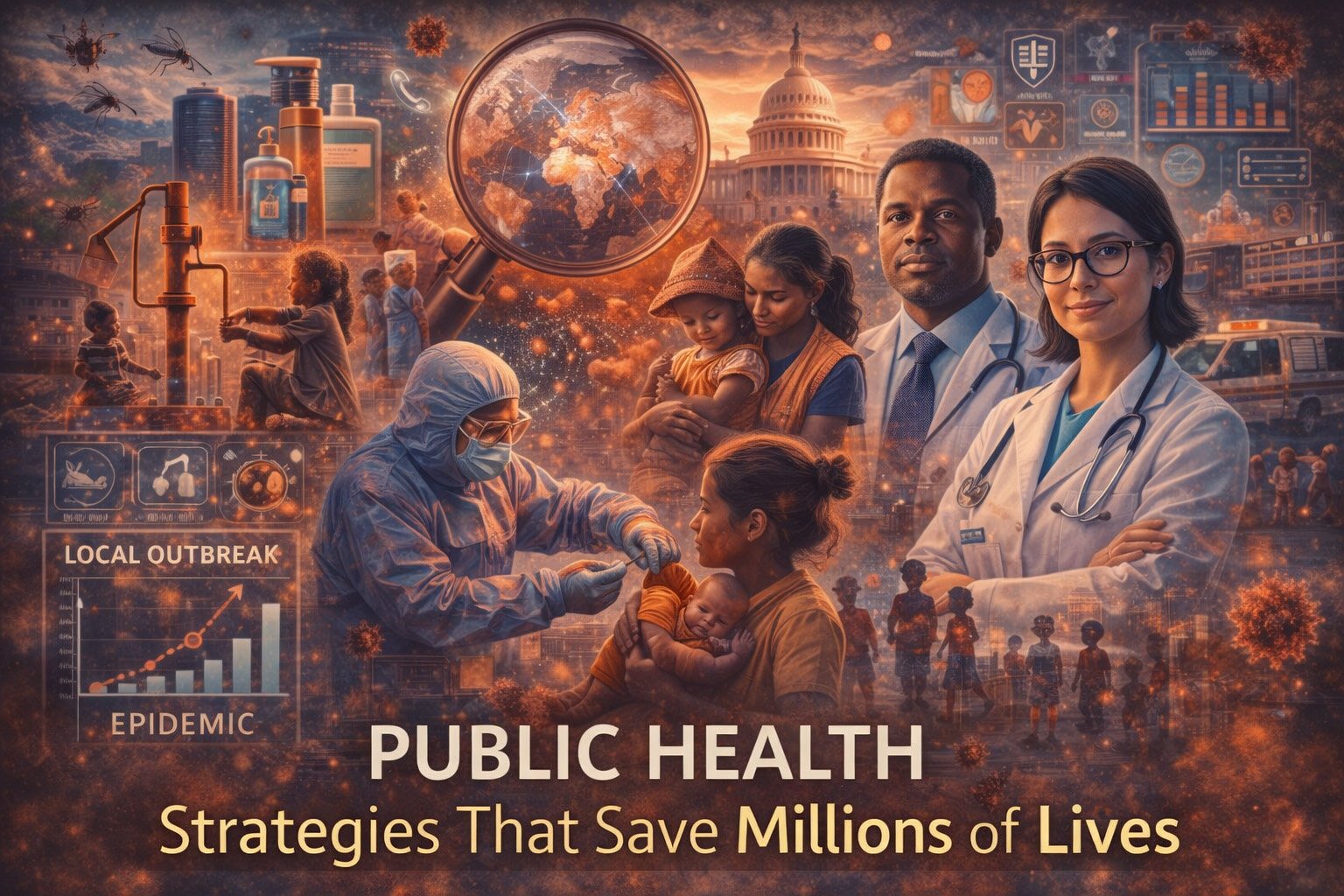
Public Health Strategies That Save Millions of Lives
VitaCoreBalance Editorial Team | Research-based health content • Editorial review process | March 2026
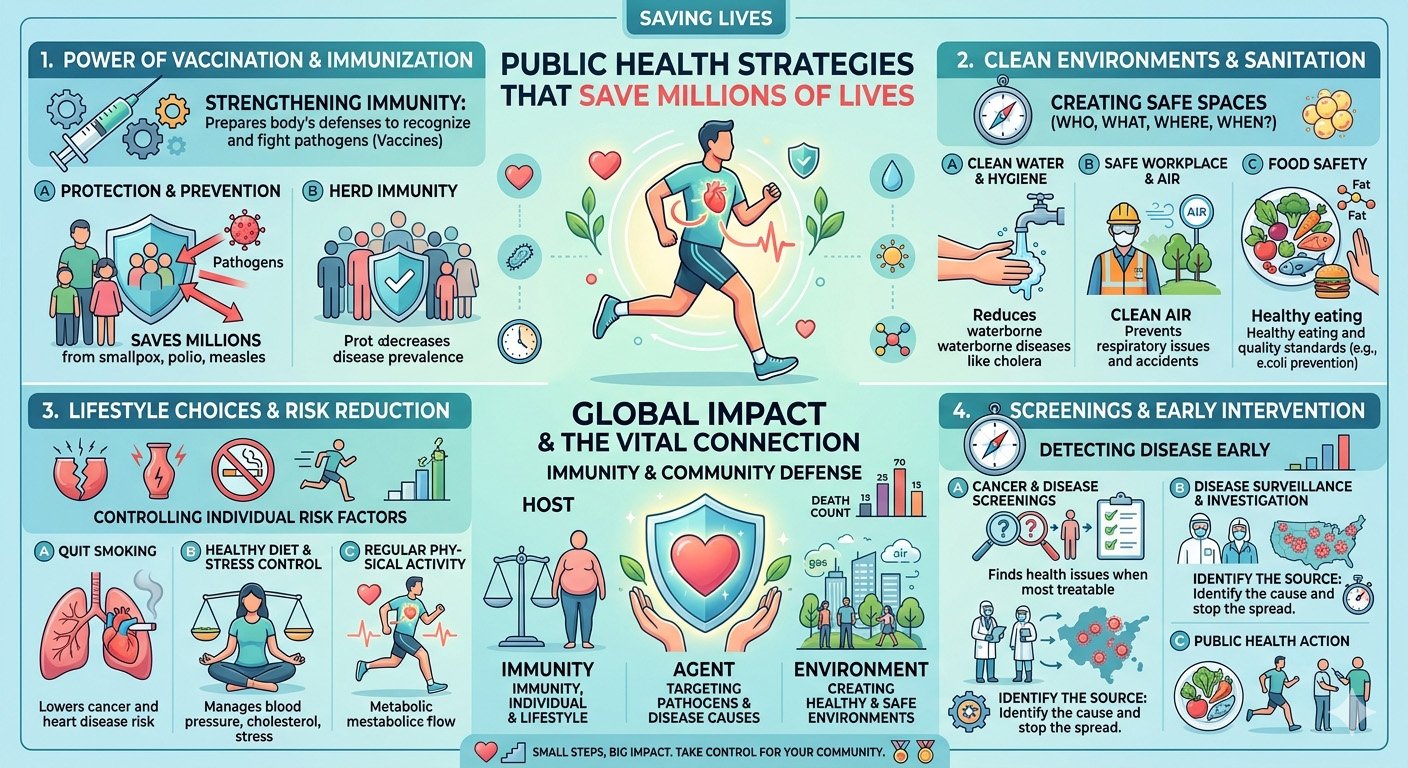
Public health is one of humanity’s most powerful achievements. While medical breakthroughs often receive public attention, it is preventive strategies—quiet, systematic, and population-focused—that have saved the greatest number of lives in history. Clean water systems, vaccination campaigns, disease surveillance, sanitation infrastructure, maternal care, and health education have collectively transformed life expectancy, reduced child mortality, and prevented widespread suffering across generations.
Public health strategies operate at the population level rather than the individual level. Their purpose is not only to treat disease but to prevent it before it begins, detect it early, and control its spread efficiently. These strategies rely on science, policy, infrastructure, and community participation working together in coordinated systems. When implemented effectively, public health interventions can reduce mortality rates dramatically—even in regions with limited medical resources.
This article explores the major public health strategies that have saved millions of lives worldwide, examining how they work, why they are effective, and why continued investment in prevention remains essential for global health security.
The Foundation of Public Health: Prevention Over Treatment
One of the central principles of public health is prevention. Treating disease is essential, but preventing disease is more effective, less expensive, and more sustainable. Preventive strategies reduce the burden on healthcare systems and protect populations before illness occurs.
Prevention in public health is typically organized into three levels:
Primary Prevention
Primary prevention aims to stop disease before it begins.
Examples include:
- Vaccination
- Safe drinking water
- Sanitation systems
- Nutrition programs
- Health education
- Environmental safety regulations
Primary prevention is responsible for many of the largest improvements in life expectancy in modern history.
Secondary Prevention
Secondary prevention focuses on early detection and prompt intervention.
Examples include:
- Screening programs
- Disease surveillance
- Diagnostic testing
- Contact tracing
- Early treatment
These strategies reduce disease severity and prevent further transmission.
Tertiary Prevention
Tertiary prevention reduces complications and improves quality of life after disease has developed.
Examples include:
- Rehabilitation services
- Chronic disease management
- Disability support
- Long-term medical care
Together, these prevention levels create a comprehensive system for protecting population health.
Vaccination Programs: The Most Powerful Life-Saving Intervention
Vaccination is widely considered one of the most effective public health interventions ever developed. Immunization programs protect individuals from infectious diseases and create community immunity, reducing transmission across entire populations.
How Vaccination Saves Lives
Vaccines prevent infection before it occurs. By stimulating the immune system to recognize pathogens, vaccines reduce disease severity and transmission rates.
Vaccination programs have:
- Prevented millions of childhood deaths
- Reduced global mortality from infectious diseases
- Controlled outbreaks and epidemics
- Protected vulnerable populations
- Strengthened healthcare system resilience
Mass immunization campaigns are particularly effective in preventing diseases that spread quickly through communities.
Clean Water and Sanitation: A Silent Revolution in Public Health
Access to clean water and proper sanitation is one of the most important determinants of health. Waterborne diseases historically caused widespread illness and death, particularly among children.
The introduction of safe water systems and sanitation infrastructure dramatically reduced diseases such as:
- Cholera
- Typhoid fever
- Dysentery
- Diarrheal diseases
Why Water and Sanitation Matter
Contaminated water spreads pathogens quickly through communities. Safe water systems interrupt transmission pathways and protect entire populations.
Key sanitation strategies include:
- Water treatment and purification
- Waste disposal systems
- Sewage management
- Handwashing infrastructure
- Hygiene education
These measures remain essential in both developed and developing regions.
Disease Surveillance: Detecting Threats Before They Spread
Disease surveillance systems monitor health data to identify outbreaks early. Early detection allows public health authorities to respond quickly and prevent widespread transmission.
Components of Effective Surveillance
Case reporting systems
Laboratory testing networks
Data analysis and modeling
Public health communication
International coordination
Surveillance systems are critical for controlling infectious diseases and responding to emerging health threats.
Maternal and Child Health Programs
Maternal and child health programs are among the most impactful public health strategies. These programs focus on improving health outcomes for pregnant women, newborns, and young children—groups that are particularly vulnerable to disease and complications.
Life-Saving Interventions
Prenatal care
Safe childbirth practices
Vaccination for children
Breastfeeding support
Nutritional supplementation
Postnatal monitoring
These programs have significantly reduced infant mortality and improved long-term health outcomes.
Nutrition and Food Security Programs
Malnutrition is a major contributor to disease and mortality worldwide. Public health strategies that improve nutrition strengthen immune systems, support child development, and reduce vulnerability to infection.
Nutrition-Based Public Health Interventions
Food fortification
School meal programs
Micronutrient supplementation
Maternal nutrition support
Agricultural policy initiatives
Improved nutrition reduces disease risk and supports overall population health.
Health Education and Behavior Change
Public health education empowers individuals to make healthier choices and adopt protective behaviors. Education campaigns have played a critical role in reducing disease transmission and improving health outcomes.
Examples of Effective Health Education
Handwashing campaigns
Smoking cessation programs
Safe sex education
Nutrition awareness initiatives
Physical activity promotion
Behavior change is one of the most cost-effective tools in public health.
Vector Control: Preventing Disease Transmission
Vector control strategies reduce the spread of diseases transmitted by insects and other organisms. These strategies protect communities from infections carried by mosquitoes, ticks, and other vectors.
Common Vector Control Measures
Mosquito net distribution
Insecticide spraying
Environmental management
Drainage of standing water
Public awareness campaigns
Vector control programs have significantly reduced the burden of diseases in many regions.
Emergency Preparedness and Rapid Response
Public health systems must be prepared to respond quickly to emergencies, including disease outbreaks, natural disasters, and environmental crises.
Key Elements of Emergency Preparedness
Emergency planning
Healthcare system capacity
Supply chain management
Communication systems
Coordination between agencies
Preparedness reduces mortality during crises and improves recovery outcomes.
Global Collaboration in Public Health
Health threats do not respect national borders. International cooperation is essential for controlling disease and protecting global populations.
Examples of Global Public Health Cooperation
International disease monitoring
Shared research and data
Joint vaccination campaigns
Emergency response coordination
Global health funding initiatives
Collaboration strengthens health systems and improves preparedness for future challenges.
The Economic Impact of Public Health Strategies
Public health interventions save money by reducing disease burden and preventing costly medical treatments.
Economic Benefits
Lower healthcare costs
Reduced hospitalization rates
Increased workforce productivity
Improved economic stability
Long-term healthcare sustainability
Investment in prevention produces significant financial returns for governments and healthcare systems.
The Future of Life-Saving Public Health Strategies
Public health continues to evolve as new technologies and scientific discoveries expand the ability to prevent disease and protect populations.
Emerging Innovations
Artificial intelligence for disease prediction
Genomic surveillance
Digital health monitoring
Rapid diagnostic testing
Personalized medicine
These innovations enhance prevention strategies and improve public health response.
Conclusion
Public health strategies have saved millions of lives by preventing disease, improving living conditions, and strengthening healthcare systems. From vaccination and sanitation to surveillance and education, these interventions protect populations on a global scale.
The success of public health depends on sustained investment, scientific innovation, and community participation. As new health challenges emerge, strong public health systems will remain essential for safeguarding human life and ensuring a healthier future for generations to come.
Medical Disclaimer
This content is for informational purposes only and does not constitute medical advice. Always consult a qualified healthcare professional.
Editorial Transparency
This article was created following evidence-based health content guidelines and reviewed by the VitaCoreBalance Editorial Team.
SOURCES:
World Health Organization (WHO)
https://www.who.int
Centers for Disease Control and Prevention (CDC)
https://www.cdc.gov
World Bank – Health, Nutrition, and Population
https://www.worldbank.org/en/topic/health
United Nations Development Programme (UNDP)
https://www.undp.org
Johns Hopkins Bloomberg School of Public Health
https://publichealth.jhu.edu
Institute for Health Metrics and Evaluation (IHME)
https://www.healthdata.org