
Sleep Deprivation Effects: How Lack of Sleep Impacts Your Body and Mind
VitaCoreBalance Editorial Team | Research-based health content • Editorial review process | March 2026
Sleep deprivation is a growing public health concern that affects millions of people worldwide. Modern lifestyles, stress, irregular schedules, and excessive screen exposure have made insufficient sleep increasingly common. While occasional sleep loss may seem harmless, chronic sleep deprivation can significantly affect physical health, mental performance, metabolism, and long-term disease risk.
Sleep plays a critical role in regulating systems discussed across Sleep Health, Metabolism, Hormone Health, Heart Health, and Energy & Fatigue. When the body does not receive adequate rest, recovery processes are disrupted, inflammation increases, and energy production declines.
Understanding the effects of sleep deprivation is essential for protecting long-term health and maintaining daily performance.
What Is Sleep Deprivation?
Sleep deprivation occurs when a person does not get enough sleep to support normal biological function. Adults generally require 7 to 9 hours of sleep per night, although individual needs may vary.
Sleep deprivation can be:
Acute — short-term sleep loss, such as staying awake late for one or two nights
Chronic — ongoing insufficient sleep over weeks, months, or years
Chronic sleep deprivation is particularly harmful because the body accumulates sleep debt, leading to persistent fatigue and metabolic disruption.
Why Sleep Is Essential for Health
Sleep is not simply a period of rest. It is an active biological process that supports recovery, repair, and regulation of critical systems.
Healthy sleep supports:
- Brain function and memory
- Hormone regulation
- Immune function
- Metabolism and energy production
- Cardiovascular health
- Emotional stability
Sleep is a foundational pillar of overall health.
Short-Term Effects of Sleep Deprivation
Even a single night of poor sleep can affect physical and mental performance.
Common short-term effects include:
- Daytime fatigue
- Reduced concentration
- Slower reaction time
- Irritability
- Reduced productivity
- Headaches
- Increased appetite
These effects often appear quickly and may interfere with daily activities.
Long-Term Effects of Sleep Deprivation
Chronic sleep deprivation can lead to serious health problems. The body depends on regular sleep cycles to regulate metabolism, hormones, and immune function.
Increased Risk of Cardiovascular Disease
Sleep deprivation increases stress hormones and blood pressure, placing strain on the heart and blood vessels.
Long-term effects may include:
- Hypertension
- Heart disease
- Stroke
- Poor circulation
Cardiovascular risk is closely connected to systems discussed in Heart Health.
Weight Gain and Metabolic Dysfunction
Lack of sleep disrupts hormones that control hunger and energy balance.
Sleep deprivation may lead to:
- Increased appetite
- Cravings for high-calorie foods
- Slower metabolism
- Weight gain
Metabolic regulation is closely connected to systems discussed in Metabolism.
Blood Sugar Imbalance and Diabetes Risk
Sleep plays an important role in insulin sensitivity and glucose regulation.
Chronic sleep loss may result in:
- Reduced insulin sensitivity
- Elevated blood sugar
- Increased diabetes risk
Blood sugar regulation is closely connected to systems discussed in Blood Sugar.
Weakened Immune System
Sleep supports immune defense and recovery.
Sleep deprivation may cause:
- Increased inflammation
- Reduced immune response
- Higher infection risk
- Slower healing
Immune function is strongly influenced by sleep quality.
Hormonal Imbalance
Hormones are regulated during sleep cycles.
Sleep deprivation can affect:
- Cortisol
- Melatonin
- Growth hormone
- Insulin
Hormonal regulation is closely connected to systems discussed in Hormone Health.
Cognitive and Mental Health Problems
Sleep is essential for brain function and emotional regulation.
Chronic sleep deprivation may lead to:
- Memory problems
- Reduced attention
- Mood changes
- Anxiety
- Depression
Mental performance depends heavily on sleep recovery.
Common Causes of Sleep Deprivation
Sleep deprivation often results from lifestyle habits, environmental factors, or health conditions.
Irregular Sleep Schedule
Inconsistent sleep timing disrupts the body’s circadian rhythm.
This may lead to:
- Difficulty falling asleep
- Poor sleep quality
- Daytime fatigue
Consistency is critical for healthy sleep patterns.
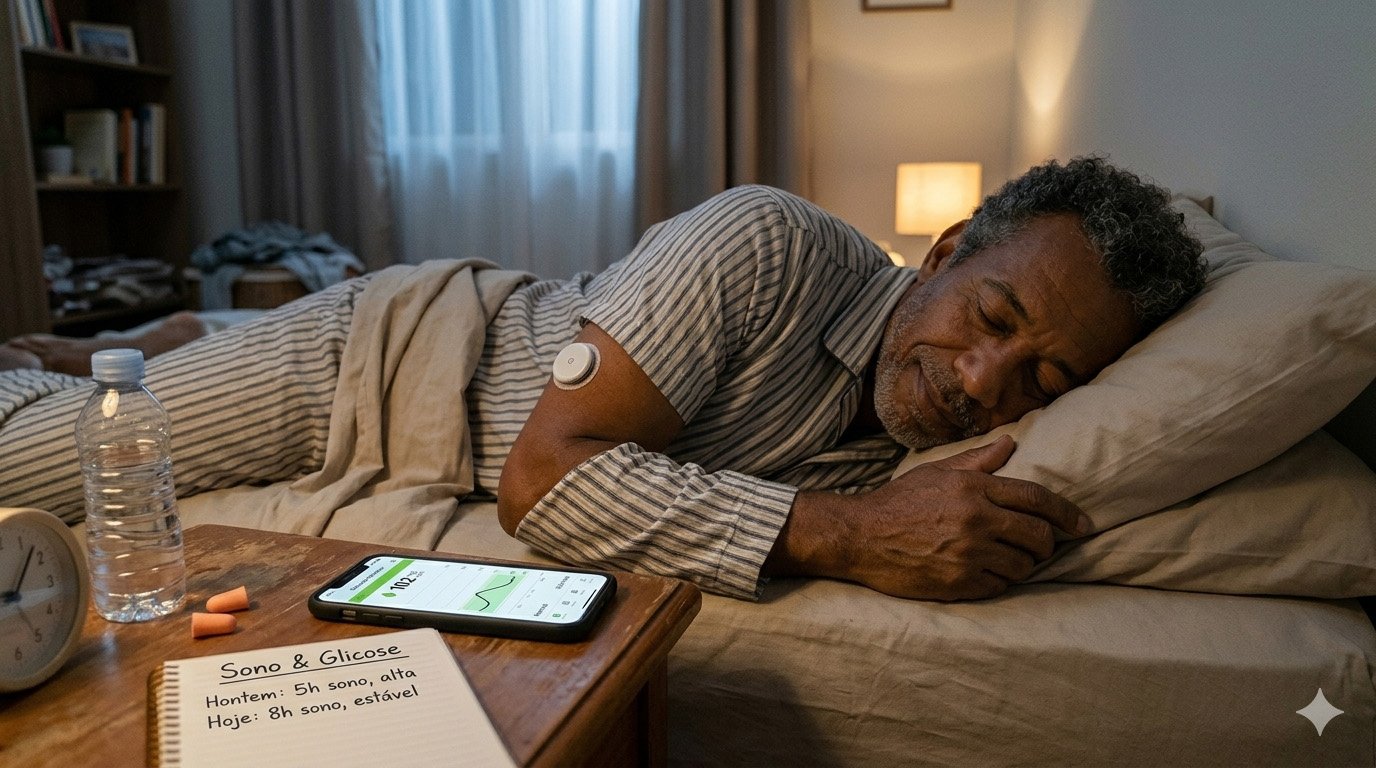
Stress and Anxiety
Stress increases cortisol levels, which can interfere with sleep.
Stress-related sleep disruption may include:
- Difficulty falling asleep
- Frequent awakenings
- Restless sleep
Stress regulation supports systems discussed in Hormone Health.
Excess Screen Time
Exposure to screens before bedtime suppresses melatonin production.
This may cause:
- Delayed sleep onset
- Reduced sleep quality
- Shorter sleep duration
Managing screen exposure supports sleep regulation.
Work and Lifestyle Demands
Shift work, long hours, and busy schedules often reduce sleep time.
This may result in:
- Chronic fatigue
- Reduced recovery
- Increased health risk
Work-life balance plays an important role in sleep health.
Sleep Disorders
Medical sleep disorders can prevent restorative sleep.
Common sleep disorders include:
- Insomnia
- Sleep apnea
- Restless legs syndrome
These conditions require medical evaluation.
Signs You May Be Sleep Deprived
Sleep deprivation can develop gradually and may go unnoticed.
Common warning signs include:
- Persistent fatigue
- Difficulty concentrating
- Mood changes
- Frequent illness
- Increased appetite
- Reduced motivation
- Daytime sleepiness
These symptoms often reflect insufficient recovery.
How Sleep Deprivation Affects Energy and Daily Performance
Sleep is directly connected to energy production. During sleep, the body restores cellular energy and regulates metabolism.
Sleep deprivation may cause:
- Reduced physical endurance
- Slower metabolism
- Reduced productivity
- Increased fatigue
- Reduced mental clarity
Energy regulation is closely connected to systems discussed in Energy & Fatigue.
Practical Ways to Reduce Sleep Deprivation
Improving sleep habits can significantly improve recovery and long-term health.
Maintain a Consistent Sleep Schedule
Going to bed and waking up at the same time every day supports circadian rhythm stability.
Benefits include:
- Improved sleep quality
- Better hormone regulation
- Increased energy levels
Create a Sleep-Friendly Environment
A healthy sleep environment supports deep sleep.
Helpful adjustments include:
- Keeping the bedroom dark
- Maintaining a cool temperature
- Reducing noise
- Using comfortable bedding
Limit Caffeine and Alcohol
Stimulants and alcohol interfere with sleep cycles.
Reducing intake supports:
- Better sleep continuity
- Improved recovery
- Stable energy levels
Stay Physically Active
Regular physical activity improves sleep efficiency.
Benefits include:
- Improved circulation
- Reduced stress
- Better sleep quality
Exercise supports systems discussed in Heart Health.
Manage Stress
Relaxation techniques support healthy sleep patterns.
Helpful strategies include:
- Deep breathing
- Meditation
- Gentle stretching
- Time management
Stress management improves sleep recovery.
When to Seek Medical Advice
Consult a healthcare professional if sleep problems persist.
Seek medical evaluation if you experience:
- Severe insomnia
- Loud snoring
- Breathing interruptions during sleep
- Extreme daytime fatigue
- Sleep problems lasting several weeks
Early intervention helps prevent long-term complications.
Why Addressing Sleep Deprivation Matters
Sleep deprivation affects nearly every system in the body. It increases inflammation, disrupts metabolism, weakens immunity, and raises the risk of chronic disease. Because sleep supports recovery, energy production, and hormone balance, improving sleep is one of the most effective ways to protect long-term health.
Healthy sleep supports:
- Stable energy levels
- Strong immune function
- Balanced metabolism
- Cardiovascular protection
- Mental clarity
- Healthy aging
Sleep is not optional — it is essential.
Final Thoughts
Sleep deprivation is more than just feeling tired. It is a biological stress that affects physical health, mental performance, and long-term disease risk. Fortunately, improving sleep habits can significantly reduce these risks.
Small changes — such as maintaining a consistent schedule, reducing stress, and creating a healthy sleep environment — can restore sleep quality and improve overall well-being.
Better sleep leads to better health.
Medical Disclaimer
This content is for informational purposes only and does not constitute medical advice. Always consult a qualified healthcare professional.
Editorial Transparency
This article was created following evidence-based health content guidelines and reviewed by the VitaCoreBalance Editorial Team.
Sources
1. National Institutes of Health (NIH) — Sleep Deprivation and Deficiency
Explica os efeitos da privação de sono no metabolismo, sistema cardiovascular, imunidade e função cognitiva.
2. Centers for Disease Control and Prevention (CDC) — Effects of Sleep Deprivation
Aborda impactos da falta de sono na saúde pública, incluindo fadiga, doenças crônicas e desempenho diário.
3. Mayo Clinic — Sleep Disorders and Sleep Deprivation
Fonte clínica confiável sobre consequências da privação de sono e estratégias para melhorar o descanso.
4. Cleveland Clinic — What Happens When You Don’t Get Enough Sleep
Descreve como a falta de sono afeta energia, humor, imunidade, peso e saúde cardiovascular.
5. Harvard Medical School — Sleep and Health
Explica o papel do sono na recuperação, memória, metabolismo e prevenção de doenças crônicas.
6. World Health Organization (WHO) — Sleep and Health
Destaca a importância do sono adequado para saúde metabólica, cardiovascular e qualidade de vida.