
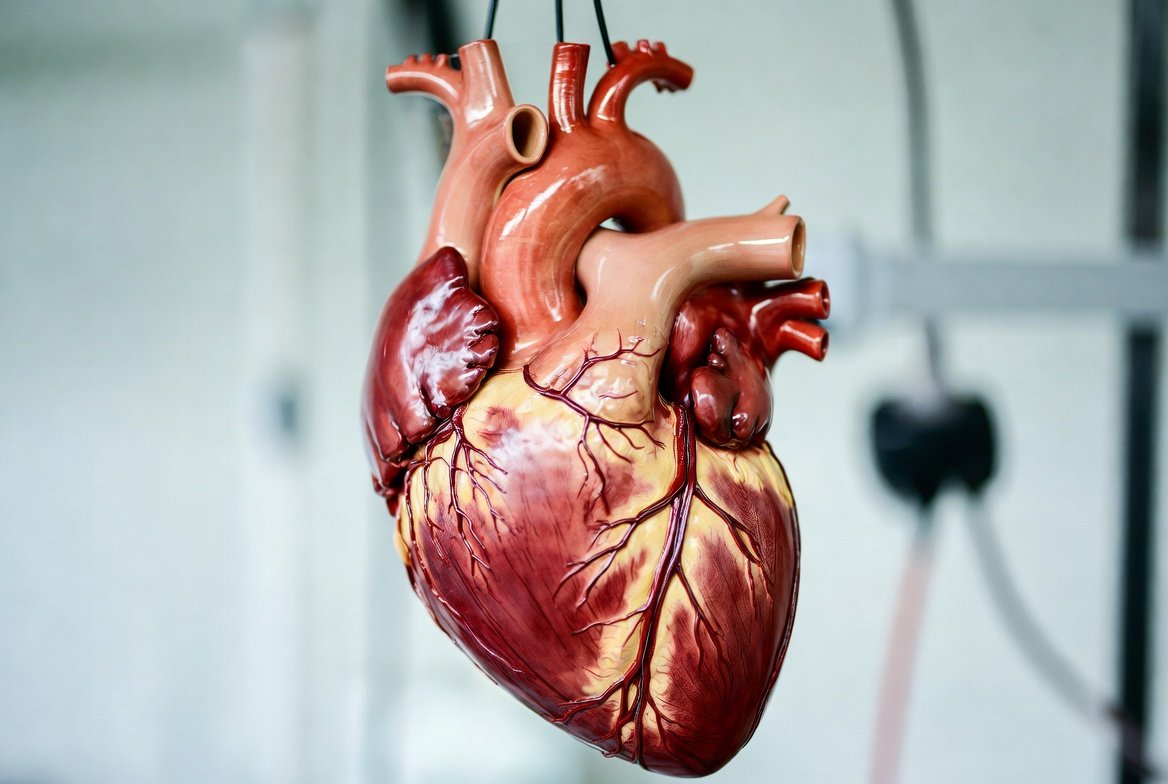
Stress and Cardiovascular System
Stress is a natural biological response that helps the body react to challenges and threats. In short bursts, stress can be protective. However, when stress becomes chronic, it places sustained pressure on the cardiovascular system, increasing the risk of high blood pressure, heart disease, and metabolic dysfunction. Over time, persistent stress can disrupt hormone balance, elevate inflammation, and impair blood vessel function.
The cardiovascular system is particularly sensitive to stress because it responds immediately to hormonal and nervous system signals. Chronic activation of stress pathways can strain the heart, damage blood vessels, and accelerate disease processes. This is why stress management is closely connected to Hormone Health, Metabolism, and Heart Health, as well as related factors such as Sleep Health, Blood Sugar, and Energy & Fatigue.
Understanding how stress affects the cardiovascular system helps identify early risks and supports long-term prevention.
What Is the Cardiovascular System?
The cardiovascular system is responsible for transporting blood, oxygen, nutrients, and hormones throughout the body. It consists of:
- The heart
- Blood vessels (arteries, veins, and capillaries)
- Blood
This system supports:
- Oxygen delivery to organs
- Removal of waste products
- Regulation of blood pressure
- Temperature control
- Immune and hormone transport
Healthy cardiovascular function depends on stable metabolic and hormonal regulation discussed in Metabolism and Hormone Health.
What Happens in the Body During Stress?
When the body perceives stress — whether physical, emotional, or environmental — it activates the stress response system.
This response involves:
- The nervous system
- The endocrine system
- The cardiovascular system
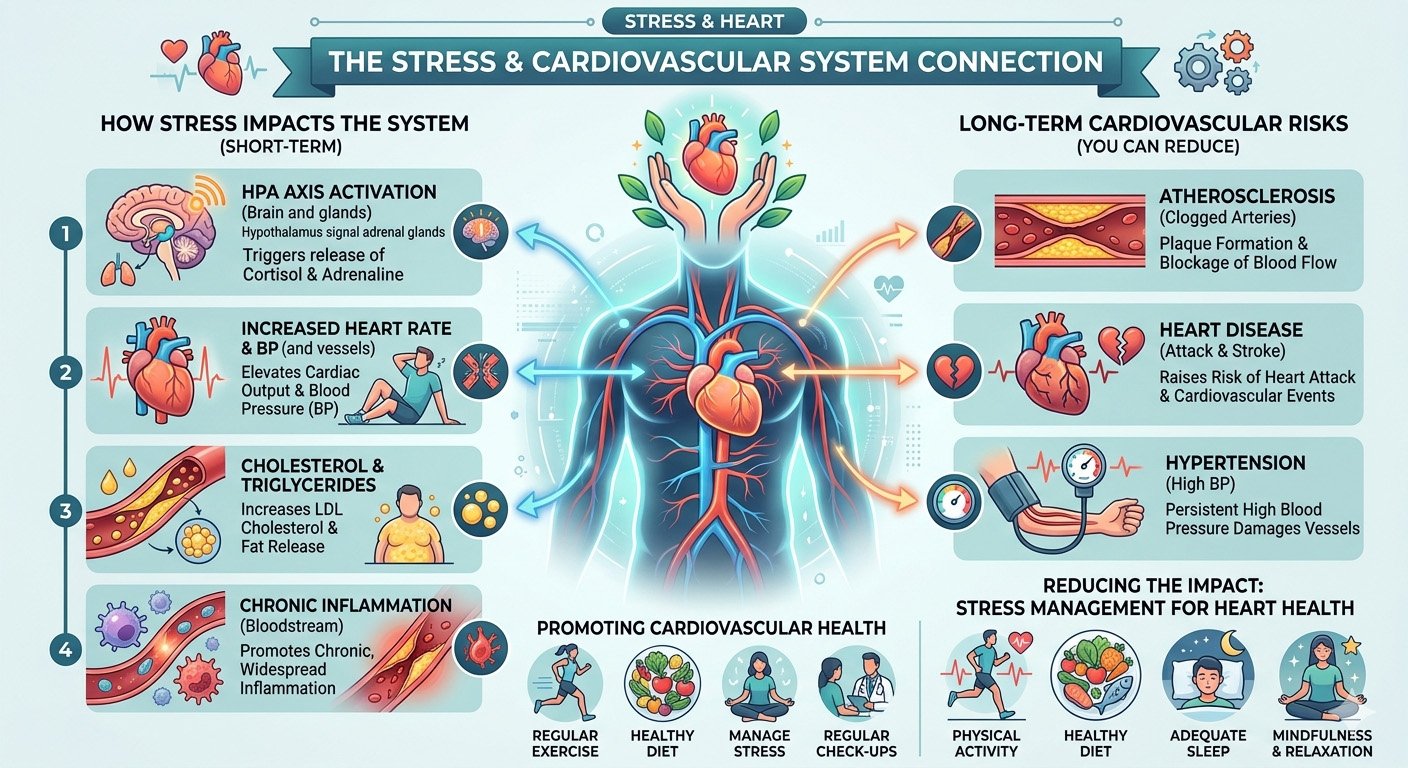
The process begins in the brain and triggers the release of stress hormones, particularly adrenaline and cortisol.
Short-term stress can:
- Increase heart rate
- Raise blood pressure
- Increase blood flow to muscles
- Improve alertness
These changes are helpful during emergencies. However, when stress persists, the same mechanisms can become harmful.
Chronic stress disrupts metabolic regulation discussed in Metabolism and hormonal balance addressed in Hormone Health.
How Stress Affects the Cardiovascular System (Physiology)
Stress affects the heart and blood vessels through multiple biological pathways. These effects can accumulate gradually and increase cardiovascular risk.
Increased Heart Rate and Blood Pressure
Stress activates the sympathetic nervous system, which prepares the body for action.
This activation causes:
- Faster heart rate
- Increased blood pressure
- Increased workload on the heart
- Reduced recovery time
Over time, repeated stress responses can lead to sustained hypertension.
Blood pressure regulation is closely connected to cardiovascular health discussed in Heart Health.
Blood Vessel Constriction
Stress hormones cause blood vessels to narrow, increasing resistance to blood flow.
This can result in:
- Reduced circulation
- Increased blood pressure
- Increased strain on the heart
- Increased risk of vascular damage
Persistent vessel constriction contributes to long-term cardiovascular risk.
Increased Inflammation
Chronic stress can increase inflammation throughout the body.
Inflammation may:
- Damage blood vessel walls
- Promote plaque formation
- Increase clotting risk
- Accelerate heart disease
Inflammatory processes are strongly linked to metabolic regulation discussed in Metabolism and digestive health addressed in Gut Health.
Hormonal Imbalance
Stress alters hormone regulation, particularly cortisol levels.
Chronic cortisol elevation can lead to:
- Increased blood pressure
- Increased blood sugar
- Increased appetite
- Weight gain
- Reduced sleep quality
These hormonal effects are closely related to systems discussed in Hormone Health and Blood Sugar.
Increased Blood Clotting Risk
Stress can increase the body’s tendency to form blood clots.
This response evolved as a survival mechanism to reduce bleeding during injury. However, in modern settings, chronic stress can increase the risk of:
- Heart attack
- Stroke
- Vascular blockages
Clotting risk is closely connected to cardiovascular health discussed in Heart Health.
Short-Term vs. Chronic Stress Effects on the Heart
Stress affects the cardiovascular system differently depending on duration and frequency.
Short-Term Stress
Short-term stress may temporarily:
- Increase heart rate
- Raise blood pressure
- Improve focus
- Increase energy
These effects typically resolve once the stressor ends.
Chronic Stress
Chronic stress can lead to long-term health problems.
Potential effects include:
- Persistent high blood pressure
- Increased inflammation
- Hormonal imbalance
- Insulin resistance
- Increased cardiovascular risk
Chronic stress is strongly associated with metabolic dysfunction discussed in Metabolism.
Cardiovascular Conditions Linked to Chronic Stress
Long-term stress has been associated with multiple cardiovascular diseases.
Hypertension (High Blood Pressure)
Chronic stress can contribute to sustained high blood pressure by activating the nervous system and increasing vascular resistance.
Hypertension increases risk for:
- Heart disease
- Stroke
- Kidney disease
- Heart failure
Coronary Artery Disease
Stress-related inflammation and vascular damage can accelerate plaque buildup in arteries.
This condition may lead to:
- Reduced blood flow
- Chest pain
- Heart attack
Risk increases when stress is combined with lifestyle factors discussed in Nutrition.
Heart Rhythm Disorders (Arrhythmias)
Stress can disrupt the electrical signals that control heart rhythm.
Possible symptoms include:
- Irregular heartbeat
- Palpitations
- Dizziness
- Shortness of breath
Heart rhythm stability is closely linked to energy regulation discussed in Energy & Fatigue.
Heart Attack
Severe stress can trigger acute cardiovascular events.
Mechanisms include:
- Increased blood pressure
- Increased heart rate
- Increased clotting risk
- Reduced oxygen supply to the heart
These responses increase cardiovascular risk.
Stroke
Chronic stress increases stroke risk through:
- Elevated blood pressure
- Vascular inflammation
- Blood clot formation
Stroke risk is strongly influenced by cardiovascular health discussed in Heart Health.
Lifestyle Factors That Amplify Stress-Related Cardiovascular Risk
Stress rarely acts alone. It often interacts with other lifestyle factors that increase cardiovascular strain.
These factors include:
- Poor sleep
- Poor diet
- Physical inactivity
- Smoking
- Excess alcohol consumption
- Obesity
- Chronic illness
These risks are closely linked to metabolic regulation discussed in Metabolism, sleep patterns addressed in Sleep Health, and dietary habits discussed in Nutrition.
Warning Signs of Stress-Related Cardiovascular Strain
Early symptoms may signal increased cardiovascular stress.
Common warning signs include:
- Persistent fatigue
- Headaches
- Elevated blood pressure
- Chest discomfort
- Rapid heartbeat
- Shortness of breath
- Sleep disturbances
- Anxiety or irritability
These symptoms often overlap with conditions discussed in Energy & Fatigue.
Practical Strategies to Protect the Cardiovascular System From Stress
Managing stress is one of the most effective ways to protect heart health.
Improve Sleep Quality
Sleep helps regulate stress hormones and support cardiovascular recovery.
Helpful habits include:
- Consistent sleep schedule
- Dark, quiet sleep environment
- Limiting caffeine late in the day
Healthy sleep supports regulation discussed in Sleep Health.
Maintain Regular Physical Activity
Exercise helps regulate the nervous system and reduce stress hormones.
Benefits include:
- Lower blood pressure
- Reduced inflammation
- Improved mood
- Better cardiovascular health
Physical activity supports metabolic regulation discussed in Metabolism.
Support Stress Regulation Through Nutrition
Diet influences hormone balance and inflammation.
Helpful dietary patterns include:
- Whole foods
- Fiber-rich foods
- Healthy fats
- Reduced added sugar
These habits align with guidance discussed in Nutrition.
Practice Stress Recovery
Recovery is essential for balancing the stress response.
Helpful strategies include:
- Deep breathing
- Mindfulness meditation
- Time in nature
- Social connection
These practices support hormonal balance discussed in Hormone Health.
Monitor Cardiovascular Health
Regular monitoring helps detect early risk.
Important health metrics include:
- Blood pressure
- Heart rate
- Cholesterol levels
- Blood sugar
- Body weight
Monitoring supports prevention strategies discussed in Heart Health.
Why Stress Management Matters for Cardiovascular Health
Stress is not only a psychological experience — it is a physiological condition that directly affects the heart and blood vessels. Chronic stress can disrupt hormone balance, increase inflammation, and accelerate cardiovascular disease.
Over time, unmanaged stress can lead to:
- High blood pressure
- Heart disease
- Stroke
- Metabolic dysfunction
- Reduced life expectancy
Because stress influences multiple systems, managing stress supports prevention strategies across Metabolism, Hormone Health, Heart Health, Blood Sugar, and Sleep Health.
Final Thoughts
The cardiovascular system responds immediately to stress signals from the brain and hormones. While short-term stress can be protective, chronic stress places continuous strain on the heart and blood vessels.
Understanding how stress affects the cardiovascular system helps identify risks early and supports effective prevention.
Protecting the heart requires managing stress, supporting metabolism, maintaining healthy sleep patterns, and sustaining balanced lifestyle habits.
Medical Disclaimer
This content is for informational purposes only and does not constitute medical advice. Always consult a qualified healthcare professional.
Editorial Transparency
This article was created following evidence-based health content guidelines and reviewed by the VitaCoreBalance Editorial Team.
Sources
Medical Institutions
American Heart Association (AHA)
National Institutes of Health (NIH)
Mayo Clinic — Stress and Heart Disease
Cleveland Clinic — Stress and the Heart
Global Organizations
World Health Organization (WHO) — Stress and Cardiovascular Health
Peer-Reviewed Studies
Steptoe A, Kivimäki M
Stress and cardiovascular disease
Nature Reviews Cardiology
Chandola T et al.
Work stress and coronary heart disease
European Heart Journal
Scientific Review
Rozanski A et al.
Impact of psychological stress on the cardiovascular system
Journal of the American College of Cardiology