Iron for Energy and Fatigue Support
VitaCoreBalance Editorial Team | Research-based health content · Editorial review process | March 2026
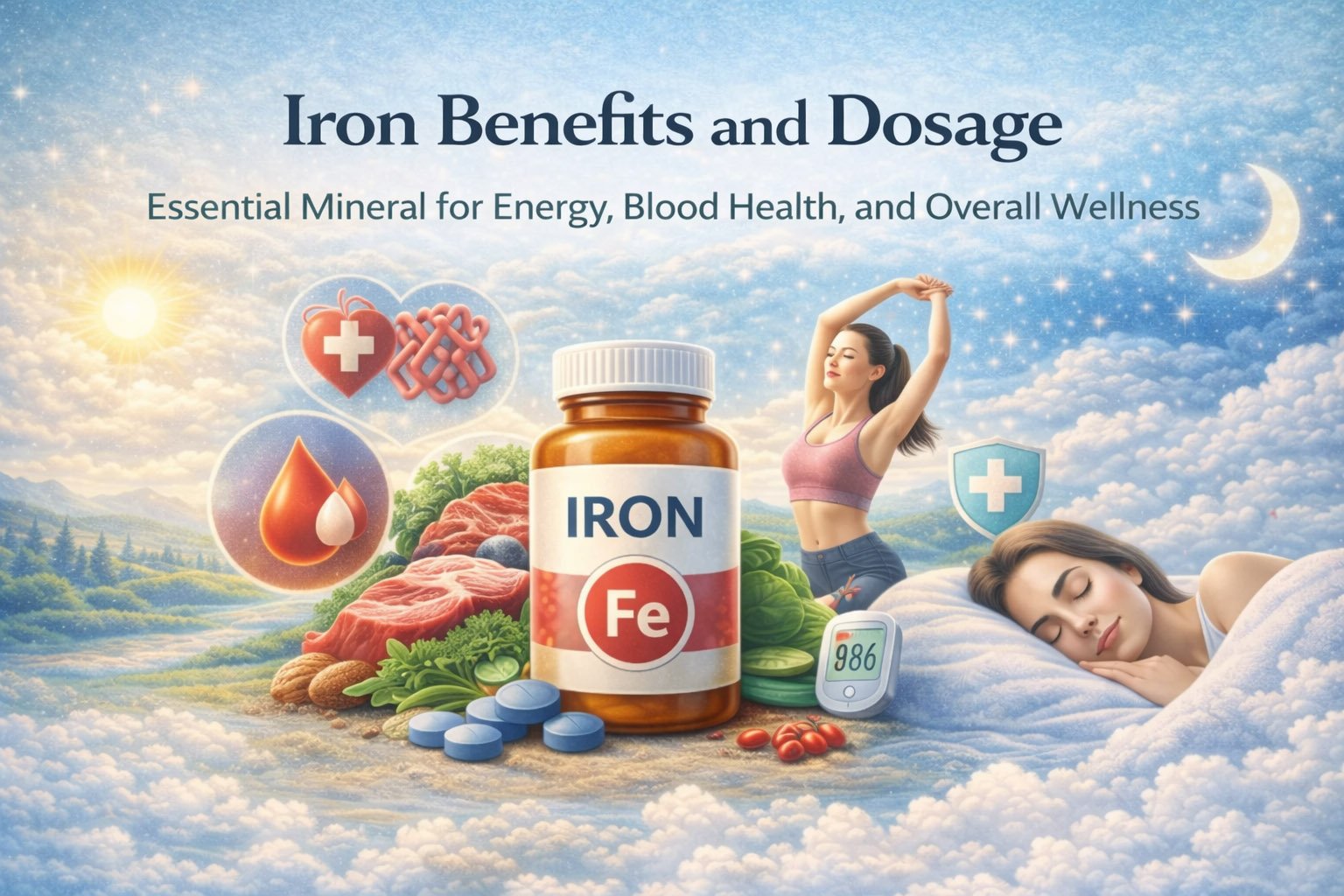
Iron is an essential mineral widely used to support oxygen transport, red blood cell production, and energy metabolism. Although iron is naturally present in many foods and available as a dietary supplement, modern lifestyle factors such as poor diet, increased physiological demands, and reduced nutrient absorption may contribute to iron deficiency in some individuals.
How Iron Helps Reduce Fatigue, Support Oxygen Transport, and Maintain Energy Levels
Iron is an essential mineral required for oxygen transport, red blood cell production, and cellular energy metabolism. Low iron levels are one of the most common causes of fatigue worldwide, particularly among women, athletes, and individuals with restrictive diets.
Iron supplementation may help restore energy levels, improve physical endurance, support cognitive performance, and prevent iron deficiency anemia.
Because iron plays a direct role in delivering oxygen to muscles and organs, adequate intake is critical for maintaining stamina, productivity, and overall vitality.
What Is Iron?
An Essential Mineral for Oxygen Transport and Cellular Energy
Iron is a trace mineral that the body uses to produce hemoglobin, the protein in red blood cells responsible for carrying oxygen from the lungs to tissues.
It also supports:
- Energy production in mitochondria
- Brain function and concentration
- Immune system activity
- Muscle performance
- Hormone synthesis
Without sufficient iron, the body cannot deliver enough oxygen to cells, which can lead to fatigue, weakness, shortness of breath, and reduced physical performance.
Iron deficiency is the most common nutritional deficiency worldwide.
Benefits of Iron
Supports Energy, Oxygen Delivery, and Physical Performance
1) Helps Reduce Fatigue and Low Energy
Iron supports oxygen transport throughout the body.
Low iron levels reduce oxygen delivery to tissues, leading to:
- Persistent fatigue
- Weakness
- Low stamina
- Reduced productivity
Iron supplementation may significantly improve energy levels in individuals with iron deficiency.
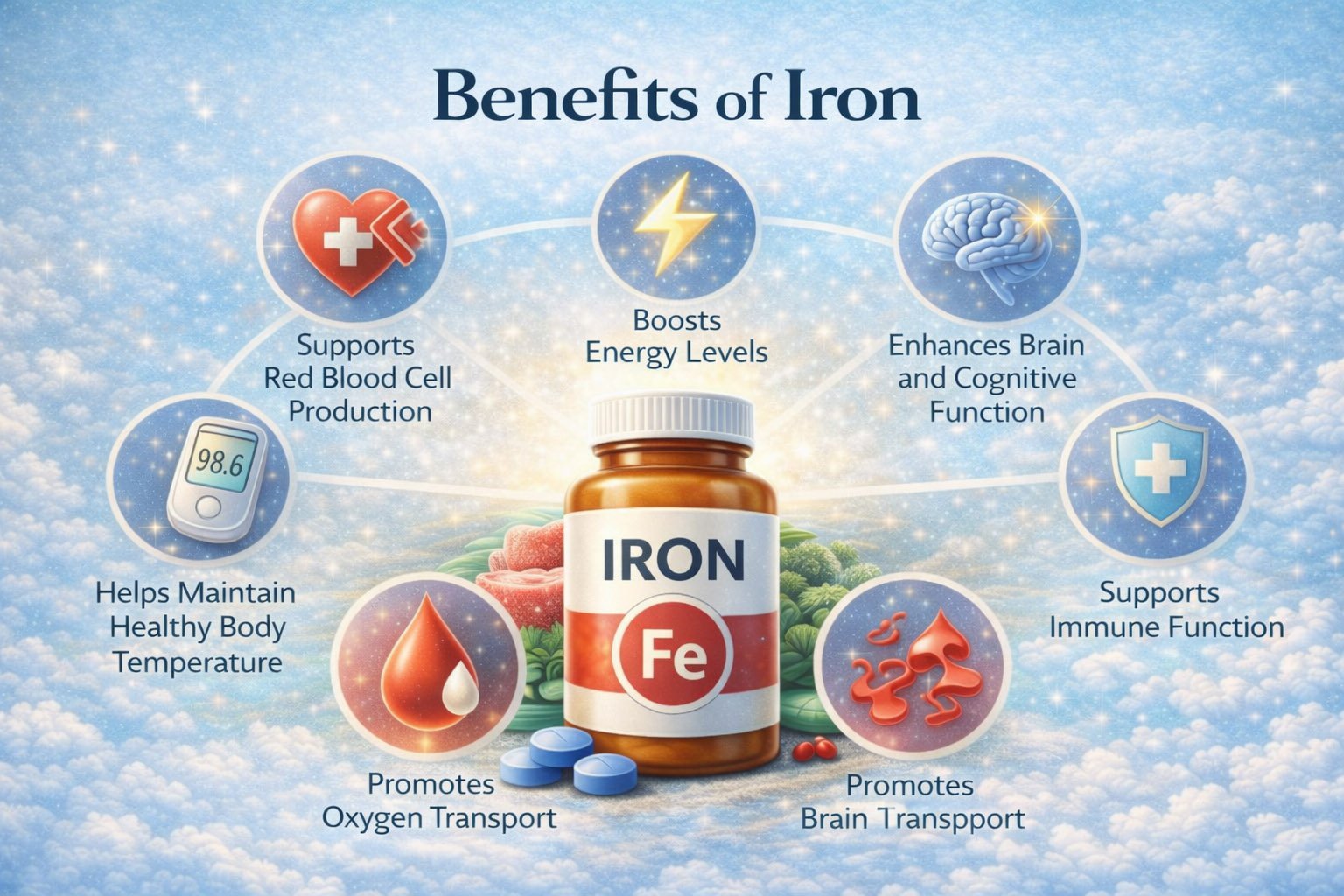
2) Supports Red Blood Cell Production
Iron is required to produce hemoglobin and red blood cells.
Adequate iron intake helps:
- Prevent anemia
- Maintain oxygen circulation
- Support physical endurance
- Improve overall vitality
3) Improves Cognitive Function and Focus
The brain requires oxygen to function properly.
Iron supports:
- Concentration
- Mental clarity
- Memory
- Cognitive performance
Iron deficiency is associated with brain fog and reduced attention.
4) Supports Exercise Performance and Endurance
Iron helps muscles receive oxygen during physical activity.
Adequate iron levels support:
- Athletic performance
- Endurance
- Muscle recovery
- Physical stamina
This is particularly important for athletes and highly active individuals.
5) Supports Immune Function
Iron plays a role in immune cell activity and infection defense.
Healthy iron levels help:
- Support immune response
- Reduce infection risk
- Maintain overall health
Who May Benefit from Iron
Iron supplementation may be beneficial for individuals with increased iron needs or risk of deficiency.
Common groups include:
Women of reproductive age
Heavy menstrual bleeding
Pregnant women
Vegetarians and vegans
Endurance athletes
Frequent blood donors
Individuals with fatigue or low energy
People with iron deficiency anemia
Older adults with reduced nutrient absorption
Iron status should ideally be confirmed through laboratory testing.
Safety and Dosage
Recommended Intake and Safe Supplementation
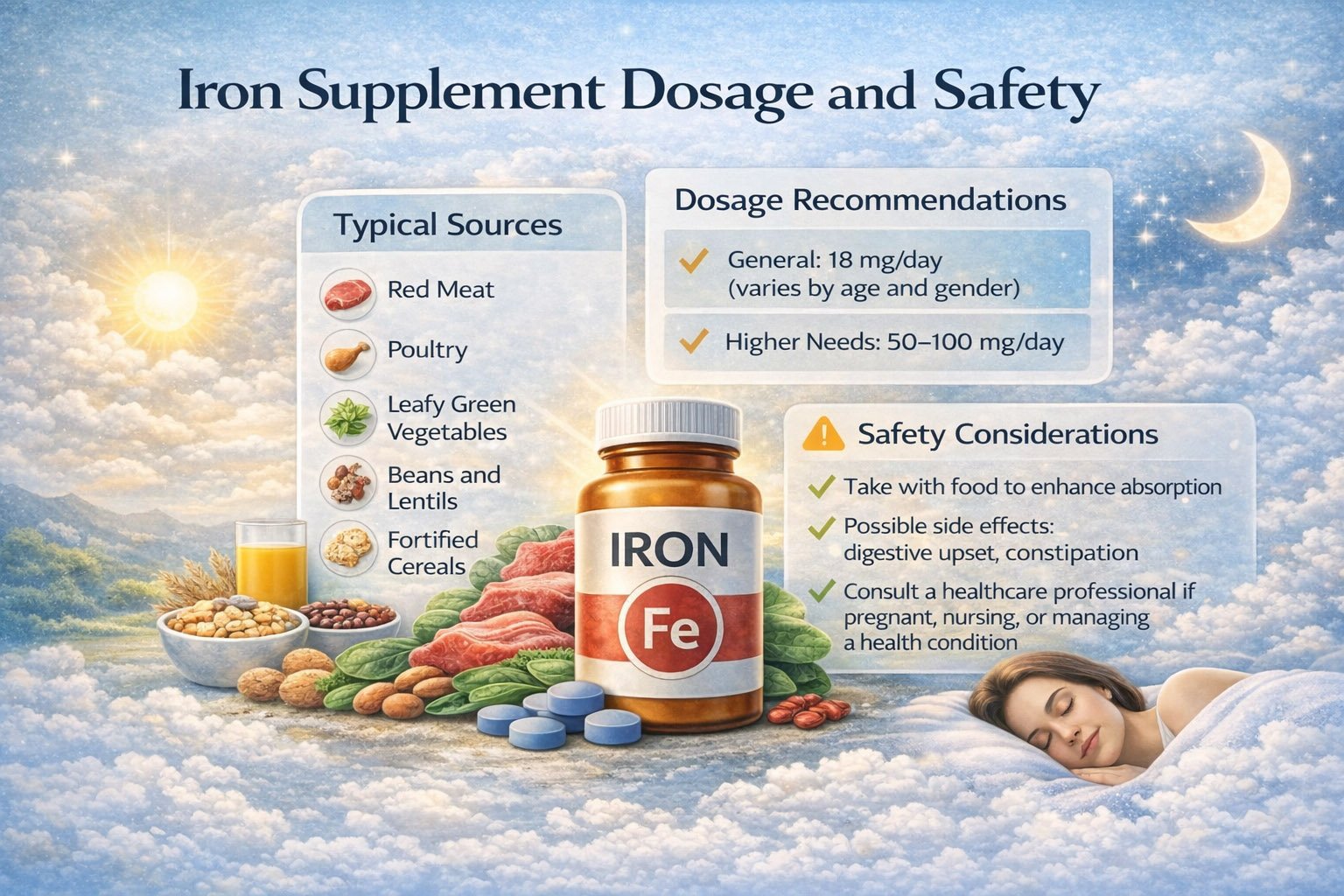
Typical Daily Dosage
General maintenance:
Men
8 mg per day
Women (ages 19–50)
18 mg per day
Pregnancy
27 mg per day
Iron deficiency (under medical guidance):
30 to 60 mg elemental iron per day
Best Time to Take Iron
Iron is best absorbed:
On an empty stomach
With vitamin C
In the morning
Avoid taking iron with:
Calcium
Coffee
Tea
High-fiber foods
These can reduce absorption.
Possible Side Effects
Iron supplements may cause:
Constipation
Nausea
Stomach discomfort
Dark stools
Slow-release formulations may improve tolerability.
Safety Considerations
Do not exceed recommended doses without medical supervision.
Excess iron can cause:
Iron toxicity
Organ damage
Oxidative stress
Children are especially vulnerable to accidental overdose.
Evidence and Research
Scientific research consistently shows that iron supplementation improves fatigue and physical performance in individuals with iron deficiency.
Key findings from clinical studies:
Iron supplementation reduces fatigue in iron-deficient adults
Improves aerobic capacity and endurance
Enhances cognitive performance in individuals with low iron
Prevents iron deficiency anemia
Supports physical and mental energy
Iron therapy is considered a first-line treatment for iron deficiency anemia.
Best Supplements
Common Forms of Iron in Supplements
Ferrous Sulfate
Most widely used form
High absorption
Clinically studied
Ferrous Bisglycinate
Gentle on the stomach
Better tolerability
Good absorption
Ferrous Gluconate
Moderate absorption
Lower risk of side effects
Iron with Vitamin C
Improves absorption
Common combination
FAQ
Does iron help with fatigue?
Yes. Iron deficiency is one of the most common causes of fatigue. Supplementation can significantly improve energy levels in individuals with low iron.
How do I know if I need iron?
Symptoms may include:
Fatigue
Weakness
Shortness of breath
Pale skin
Brain fog
Low stamina
A blood test measuring ferritin and hemoglobin is the best way to confirm deficiency.
Can I take iron every day?
Yes, if recommended by a healthcare professional or if dietary intake is insufficient.
However, unnecessary supplementation should be avoided.
How long does iron take to improve energy?
Some people notice improvements within:
2 to 4 weeks
Full correction of deficiency may take:
2 to 3 months
Can too much iron be harmful?
Yes.
Excess iron can cause:
Toxicity
Organ damage
Oxidative stress
Always follow recommended doses.
Medical Disclaimer
This content is for informational purposes only and does not constitute medical advice. Always consult a qualified healthcare professional.
Editorial Transparency
This article was created following evidence-based health content guidelines and reviewed by the VitaCoreBalance Editorial Team.
SOURCES:
- National Institutes of Health (NIH) — Iron Fact Sheet for Health Professionals
https://ods.od.nih.gov/factsheets/Iron-HealthProfessional/ - World Health Organization (WHO) — Iron Deficiency Anaemia Assessment, Prevention, and Control
https://www.who.int/publications/i/item/WHO-NHD-01.3 - Centers for Disease Control and Prevention (CDC) — Iron and Iron Deficiency
https://www.cdc.gov/nutrition/micronutrient-malnutrition/micronutrients/iron.html - Mayo Clinic — Iron Deficiency Anemia
https://www.mayoclinic.org/diseases-conditions/iron-deficiency-anemia/symptoms-causes/syc-20355034 - Harvard T.H. Chan School of Public Health — Iron
https://www.hsph.harvard.edu/nutritionsource/iron/ - Cleveland Clinic — Iron Deficiency
https://my.clevelandclinic.org/health/diseases/22824-iron-deficiency