Selenium for Immune Support, Thyroid Function, and Antioxidant Protection
VitaCoreBalance Editorial Team | Research-based health content · Editorial review process | March 2026 – Updated April
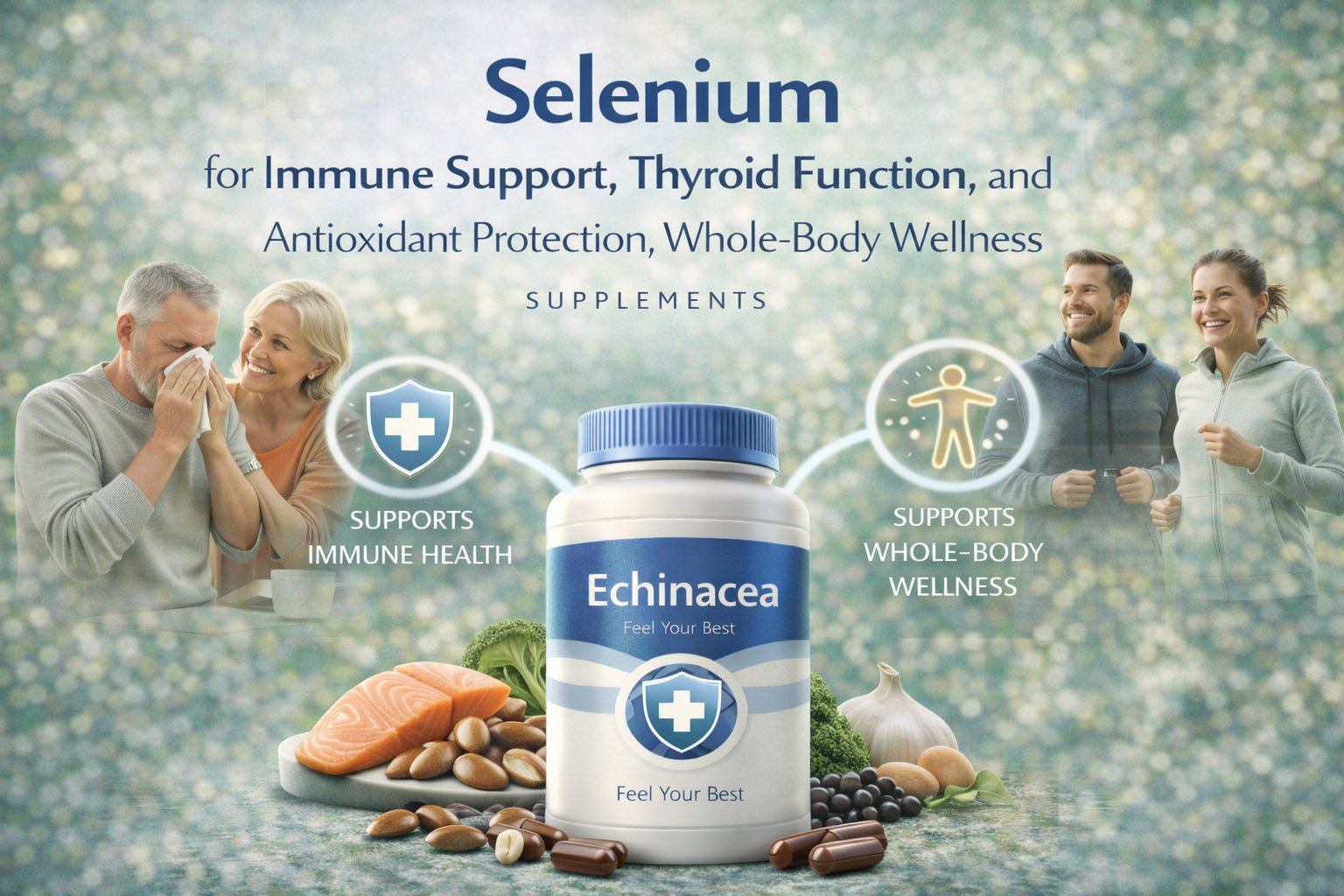
Selenium is an essential trace mineral that plays a critical role in immune defense, thyroid hormone regulation, antioxidant protection, and cellular health. Although required in small amounts, selenium is vital for maintaining metabolic balance, protecting cells from oxidative stress, and supporting the body’s ability to respond to infection and inflammation.
Selenium functions as a key component of antioxidant enzymes that protect tissues from damage caused by free radicals. It also supports thyroid hormone production, immune system activity, and cardiovascular health. Because selenium levels depend heavily on soil content and dietary intake, deficiency can occur even in developed regions.
Today, selenium is widely used to support:
- Immune system resilience
- Thyroid hormone function
- Antioxidant protection
- Inflammation regulation
- Cardiovascular health
- Metabolic balance
- Cellular defense and repair
- Overall wellness
Maintaining adequate selenium levels is considered essential for long-term health and immune stability.
What Is Selenium
Selenium is a trace mineral that functions primarily as a component of specialized proteins known as selenoproteins, which are involved in antioxidant defense, immune regulation, and thyroid hormone metabolism.
These proteins help protect cells from oxidative damage and support normal metabolic processes.
Selenium supports:
- Immune cell function
- Thyroid hormone activation
- Antioxidant enzyme activity
- DNA protection
- Inflammation control
- Cellular repair
- Cardiovascular function
- Metabolic regulation
Because selenium plays a central role in antioxidant systems, it is critical for maintaining cellular stability and resilience.
Benefits of Selenium
Immune System Support and Infection Defense
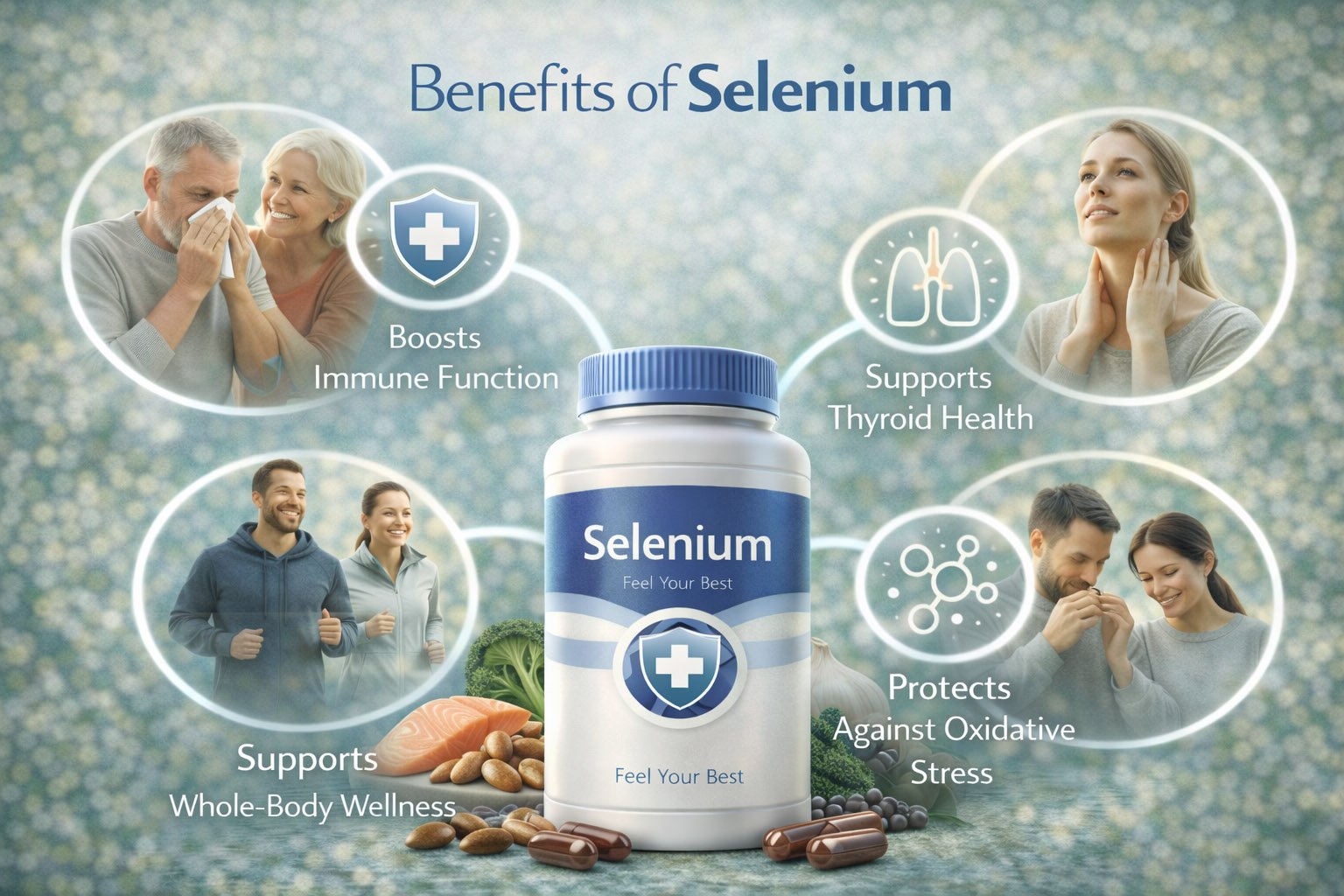
Selenium supports immune function by enhancing immune cell activity and regulating inflammatory responses.
Research suggests selenium may:
- Improve immune response
- Support resistance to infection
- Reduce inflammation
- Improve recovery from illness
- Support immune resilience
Adequate selenium levels are associated with stronger immune defenses and better infection outcomes.
Thyroid Function and Hormone Regulation
Selenium is essential for thyroid hormone metabolism. It helps convert inactive thyroid hormone (T4) into its active form (T3), which regulates metabolism and energy production.
Benefits include:
- Healthy thyroid function
- Hormone balance
- Improved metabolic regulation
- Energy stability
- Temperature regulation
The thyroid gland contains one of the highest concentrations of selenium in the body.
Antioxidant Protection and Cellular Defense
Selenium is a key component of antioxidant enzymes that protect cells from oxidative stress.
It supports:
- Reduced oxidative damage
- Protection of cellular structures
- Healthy aging processes
- Immune stability
- Tissue protection
This antioxidant role is fundamental to long-term disease prevention.
Cardiovascular and Heart Health
Selenium supports cardiovascular health by reducing oxidative stress and supporting vascular function.
Potential benefits include:
- Improved circulation
- Reduced inflammation
- Protection of blood vessels
- Support for heart health
Adequate selenium intake is associated with improved cardiovascular resilience.
Brain Health and Cognitive Function
Selenium helps protect the brain from oxidative damage and supports neurological function.
Benefits include:
- Cognitive protection
- Mental clarity
- Reduced oxidative stress in brain tissue
- Support for nervous system health
Low selenium levels have been associated with reduced cognitive performance.
Metabolic and Energy Support
Selenium supports metabolic processes and cellular energy production.
It contributes to:
- Energy metabolism
- Hormone regulation
- Blood sugar stability
- Cellular efficiency
- Metabolic balance
This role makes selenium important for overall vitality.
Who May Benefit from Selenium
Selenium supplementation may be particularly beneficial for individuals with increased oxidative stress, thyroid concerns, or limited dietary intake.
Common groups include:
People with thyroid conditions
Individuals with low dietary selenium intake
Older adults
Individuals under chronic stress
People with frequent infections
Individuals with inflammatory conditions
People with cardiovascular risk factors
Individuals seeking antioxidant support
People living in regions with low soil selenium
Because dietary selenium varies widely, supplementation can help maintain consistent intake.
Safety and Dosage
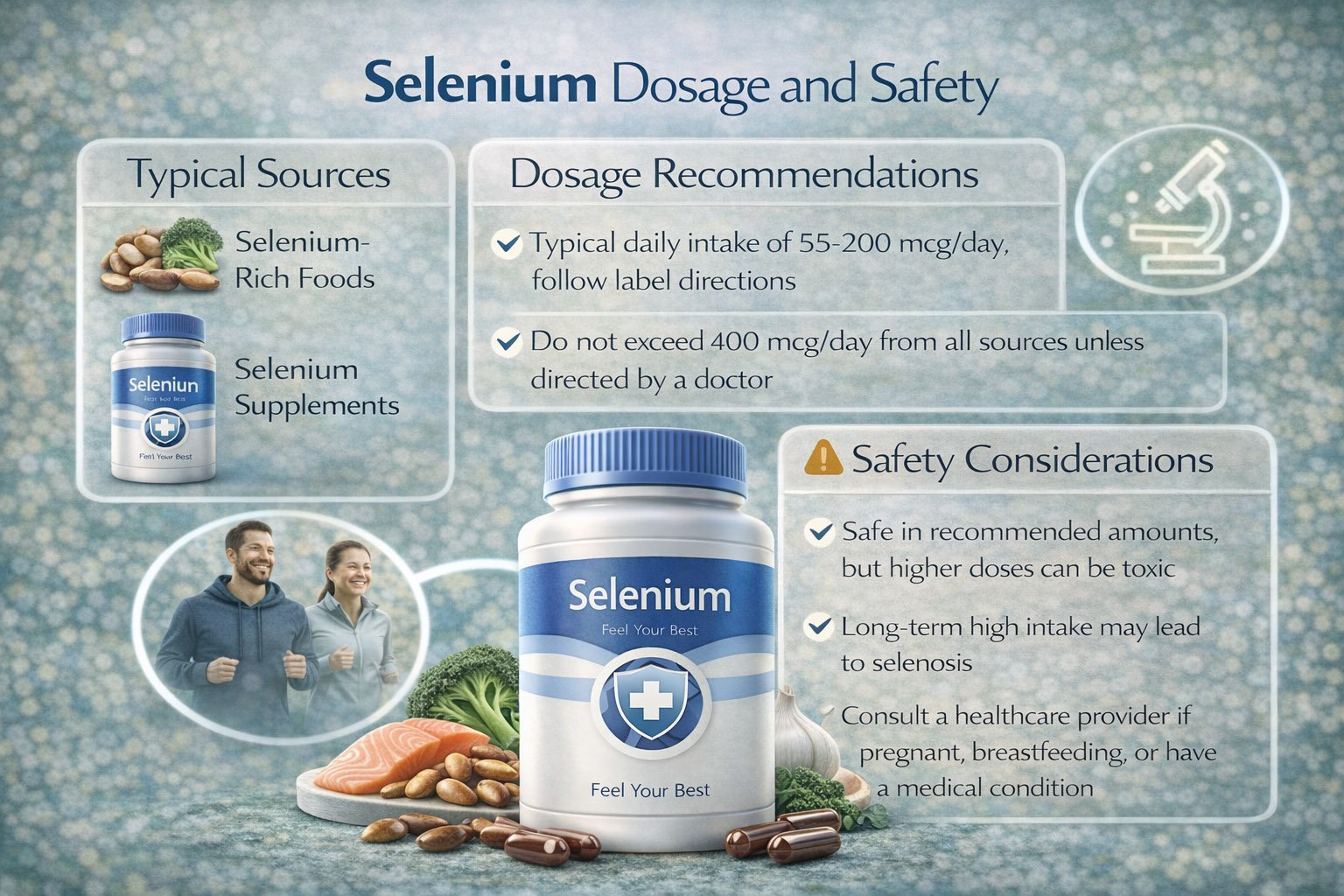
Selenium is safe within recommended ranges but can be harmful in excessive amounts, making proper dosing important.
Typical Daily Dosage
General health support:
55–100 mcg per day
Immune and thyroid support:
100–200 mcg per day
Upper safe limit (adults):
400 mcg per day
Best Time to Take Selenium
Selenium can be taken:
With meals
Once daily
Consistently each day
Timing is flexible, but regular intake supports stable levels.
Safety Considerations
Selenium is safe when used appropriately, but excessive intake can cause toxicity.
Possible symptoms of excess selenium include:
Nausea
Hair loss
Fatigue
Digestive discomfort
Metallic taste
Use caution if:
You take high-dose selenium supplements
You have kidney disease
You are using multiple supplements containing selenium
Balanced intake is essential for safety.
Evidence and Research
Selenium has been widely studied for its role in immune health, thyroid function, and antioxidant defense.
Research findings show:
Selenium supports immune function
Selenium supports thyroid hormone metabolism
Selenium reduces oxidative stress
Selenium supports cardiovascular health
Selenium protects cellular structures
Maintaining adequate selenium levels is considered an important component of preventive health care.
Best Supplements
Choosing the right selenium supplement depends on absorption, formulation, and individual health needs.
Selenium (Selenomethionine)
Best for:
High absorption
Long-term supplementation
Thyroid support
Selenium Yeast
Best for:
Natural food-based supplementation
Consistent intake
Daily use
Sodium Selenite
Best for:
Clinical use
Short-term supplementation
Medical supervision
Selenium with Vitamin E
Best for:
Enhanced antioxidant protection
Immune support
Cellular defense
Multimineral Formulas Containing Selenium
Best for:
Balanced nutrient intake
General health support
Convenience
FAQ
What does selenium do in the body?
Selenium supports immune function, thyroid hormone metabolism, and antioxidant protection.
Is selenium safe to take every day?
Yes. Daily supplementation is safe when taken within recommended dosage ranges.
Can selenium support thyroid health?
Yes. Selenium plays a key role in thyroid hormone regulation and metabolic function.
Can selenium boost the immune system?
Yes. Selenium supports immune cell activity and helps regulate inflammation.
Is too much selenium dangerous?
Yes. Excess selenium intake can cause toxicity, so proper dosing is important.
Medical Disclaimer
This content is for informational purposes only and does not constitute medical advice. Always consult a qualified healthcare professional.
Editorial Transparency
This article was created following evidence-based health content guidelines and reviewed by the VitaCoreBalance Editorial Team.
SOURCES:
- https://ods.od.nih.gov/factsheets/Selenium-HealthProfessional/
- https://www.ncbi.nlm.nih.gov/books/NBK548094/
- https://pubmed.ncbi.nlm.nih.gov/25268338/
- https://www.ncbi.nlm.nih.gov/pmc/articles/PMC4005344/
- https://www.mayoclinic.org/drugs-supplements-selenium/art-20363645
- https://www.cochranelibrary.com/cdsr/doi/10.1002/14651858.CD005195.pub3/full