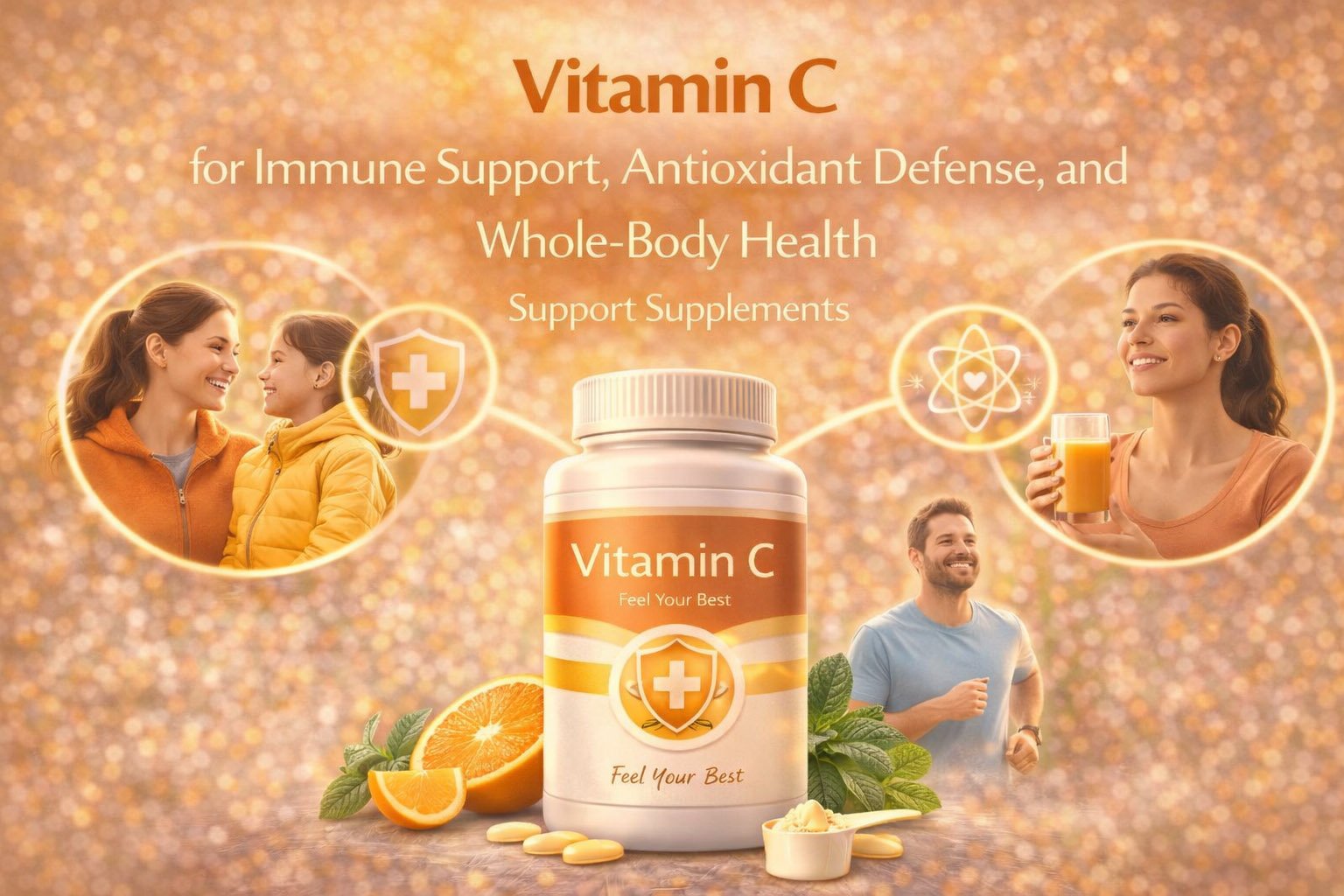
Vitamin C for Immune Support, Antioxidant Defense, and Whole-Body Health
VitaCoreBalance Editorial Team | Research-based health content · Editorial review process | March 2026 – Updated April
Vitamin C is one of the most extensively studied nutrients in human health, known for its central role in immune defense, antioxidant protection, collagen production, and cellular repair. While commonly associated with preventing colds, vitamin C supports far more than immunity—it plays a foundational role in metabolic health, cardiovascular function, skin integrity, brain performance, and recovery from physical and environmental stress.
Unlike most animals, humans cannot produce vitamin C internally. This makes consistent dietary intake or supplementation essential for maintaining optimal physiological function. Even mild deficiencies can impair immune response, wound healing, and energy metabolism.
Modern lifestyles—including chronic stress, poor diet quality, pollution exposure, smoking, intense exercise, and aging—increase vitamin C requirements beyond minimal levels needed to prevent deficiency. As a result, supplementation has become a practical strategy for supporting resilience, recovery, and long-term health.
Vitamin C is widely used for:
- Immune system resilience
- Antioxidant protection against oxidative stress
- Skin, collagen, and wound healing support
- Cardiovascular health and vascular function
- Brain and cognitive protection
- Exercise recovery and inflammation control
- Metabolic and cellular energy support
Its safety profile, affordability, and broad physiological impact make vitamin C one of the most versatile and foundational supplements in preventive health.
What Is Vitamin C
Vitamin C, also known as ascorbic acid, is a water-soluble vitamin that functions primarily as an antioxidant and enzyme cofactor in numerous biochemical processes. It is essential for collagen synthesis, immune cell activity, neurotransmitter production, and protection against oxidative damage.
Unlike fat-soluble vitamins, vitamin C is not stored in large amounts in the body. Excess amounts are excreted in urine, which is why consistent daily intake is necessary.
Vitamin C plays a direct role in:
- Supporting immune cell function
- Neutralizing free radicals
- Maintaining skin and connective tissue
- Enhancing iron absorption
- Supporting vascular health
- Regulating inflammatory responses
- Protecting cellular structures
From a physiological perspective, vitamin C acts as a cellular defense molecule, helping maintain structural integrity and resilience under stress.
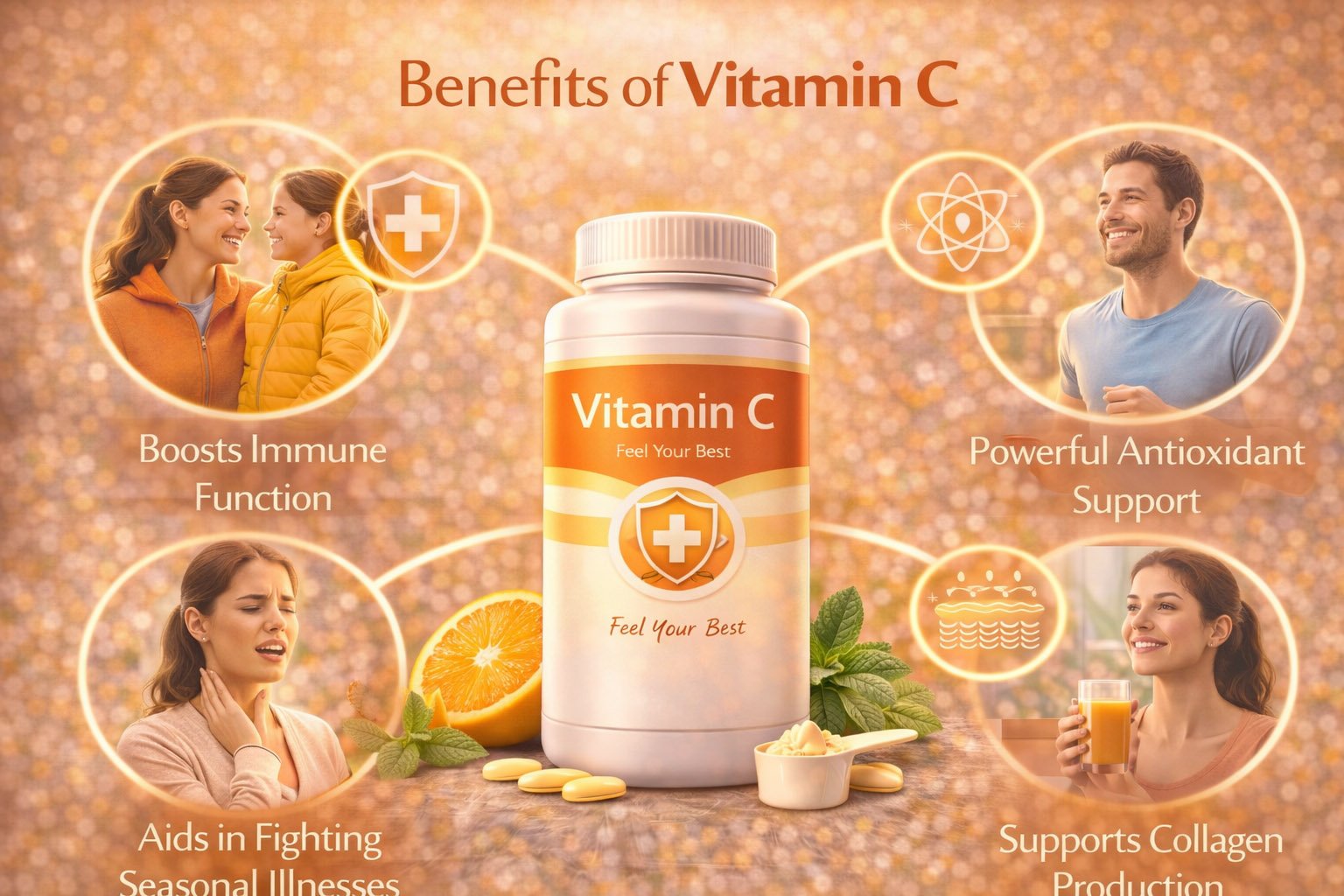
Benefits of Vitamin C
Immune System Defense and Infection Resistance
Vitamin C supports both innate and adaptive immune responses. It enhances white blood cell function, improves pathogen defense, and reduces inflammation during infections.
Clinical research shows that vitamin C can:
- Reduce duration of common cold symptoms
- Support faster recovery from infections
- Improve immune resilience during stress
- Enhance barrier function in skin and mucous membranes
Vitamin C does not prevent all infections, but it significantly improves the body’s ability to respond to them.
Antioxidant Protection and Cellular Longevity
Oxidative stress contributes to aging, inflammation, and chronic disease. Vitamin C acts as a primary antioxidant in blood plasma and tissues.
Key protective effects include:
- Neutralizing free radicals
- Reducing inflammation
- Protecting DNA and cellular membranes
- Supporting mitochondrial function
- Slowing biological aging processes
This makes vitamin C relevant not only for immune health but also for long-term disease prevention.
Skin Health, Collagen Production, and Wound Healing
Vitamin C is essential for collagen synthesis—the structural protein responsible for skin, joints, blood vessels, and connective tissue strength.
Benefits include:
- Improved skin elasticity
- Faster wound healing
- Reduced skin aging signs
- Stronger connective tissue
- Support for joint and ligament integrity
Vitamin C deficiency historically caused scurvy, a disease characterized by bleeding gums and poor wound healing—demonstrating how critical it is for tissue repair.
Cardiovascular and Vascular Health
Vitamin C supports heart health through antioxidant and anti-inflammatory effects that protect blood vessels and circulation.
Research suggests vitamin C may:
- Improve endothelial function
- Support healthy blood pressure
- Reduce oxidative damage in arteries
- Improve vascular elasticity
- Support circulation
While not a replacement for medical treatment, vitamin C contributes to cardiovascular resilience.
Brain Function, Stress Response, and Mental Performance
The brain maintains high concentrations of vitamin C, where it protects neurons from oxidative stress and supports neurotransmitter production.
Vitamin C supports:
- Cognitive performance
- Stress resilience
- Mental clarity
- Mood regulation
- Nervous system protection
During psychological stress, vitamin C levels decline rapidly, increasing physiological vulnerability.
Exercise Recovery and Physical Performance
Vitamin C helps regulate inflammation and supports tissue repair following physical activity.
Benefits include:
- Reduced muscle soreness
- Faster recovery
- Improved immune protection in athletes
- Reduced oxidative stress after exercise
This makes vitamin C particularly useful for individuals with high physical workloads.
Metabolic and Energy Support
Vitamin C supports mitochondrial function and plays a role in the metabolism of carbohydrates, fats, and proteins.
It contributes to:
- Cellular energy production
- Fat metabolism
- Hormone synthesis
- Adrenal function
- Blood sugar regulation
This metabolic role is often overlooked but physiologically important.
Who May Benefit from Vitamin C
Vitamin C supplementation may be especially beneficial for individuals exposed to physiological stress, inflammation, or increased nutrient demands.
Common groups include:
People with frequent infections
Individuals under chronic stress
Older adults
Smokers or those exposed to pollution
Athletes and physically active individuals
People with poor dietary intake
Individuals recovering from illness or surgery
People with inflammatory conditions
Those with metabolic syndrome
Individuals with skin healing or collagen concerns
Older adults are particularly vulnerable to low vitamin C levels due to reduced intake and increased oxidative stress.
Safety and Dosage
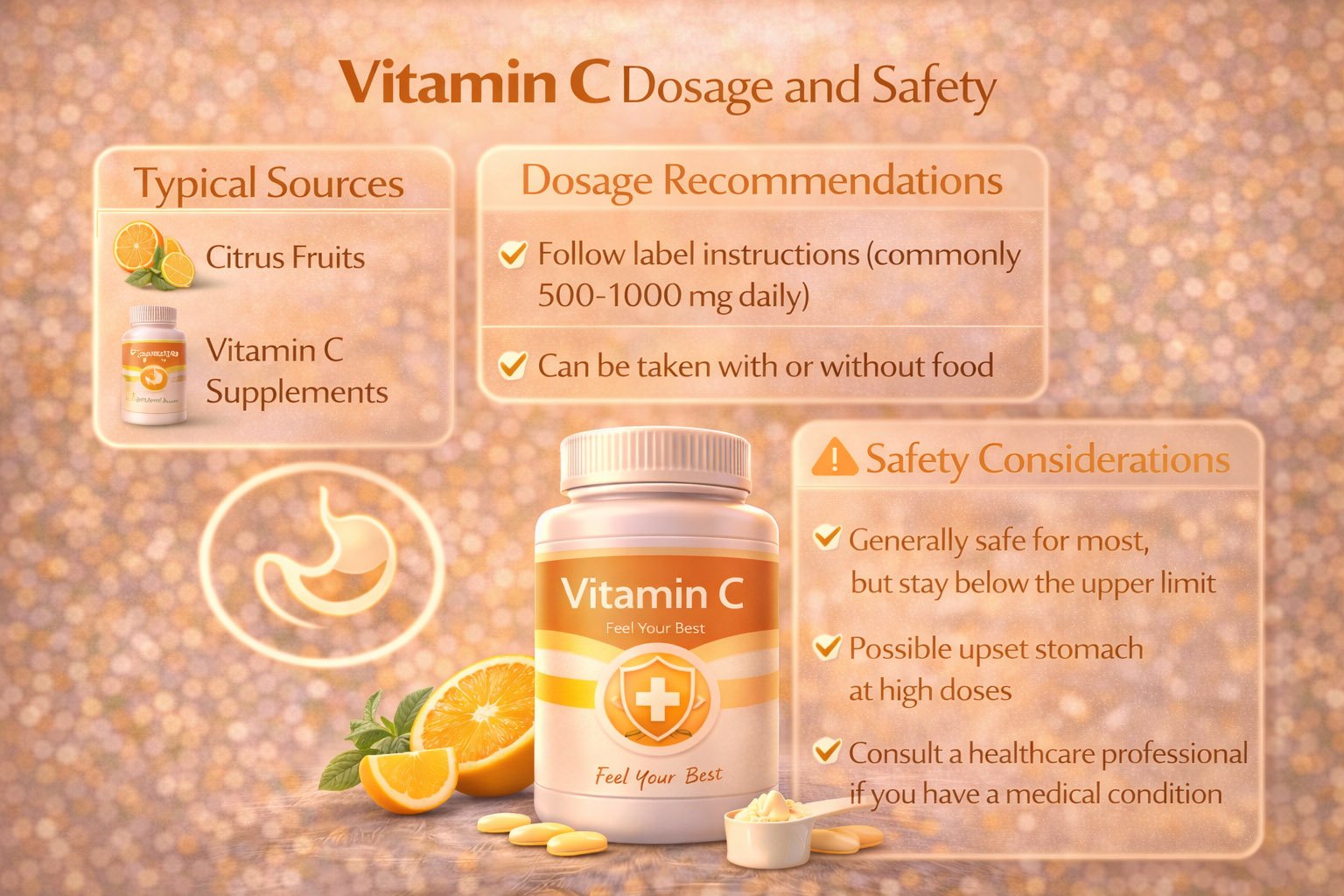
Vitamin C is considered very safe, even at relatively high doses, due to its water-soluble nature.
Typical Daily Dosage
General health support:
250–500 mg per day
Immune support:
500–1000 mg per day
High stress or recovery periods:
1000–2000 mg per day
Upper safe limit (adults):
2000 mg per day
Best Time to Take Vitamin C
Vitamin C can be taken:
With meals
In divided doses for better absorption
In the morning or early afternoon
Dividing doses improves absorption and reduces digestive discomfort.
Safety Considerations
Vitamin C is safe for most people, but excessive intake may cause:
Digestive discomfort
Diarrhea
Kidney stone risk in susceptible individuals
Use caution if:
You have kidney disease
You are prone to kidney stones
You take certain medications affecting mineral balance
Most people tolerate vitamin C extremely well.
Evidence and Research
Vitamin C is one of the most researched nutrients in modern medicine, with decades of clinical evidence supporting its role in immune function, antioxidant protection, and tissue repair.
Research findings show:
Vitamin C reduces duration of respiratory infections
Vitamin C supports immune cell activity
Vitamin C improves endothelial function
Vitamin C reduces oxidative stress markers
Vitamin C supports collagen synthesis and wound healing
Vitamin C improves recovery during physical stress
Vitamin C deficiency remains surprisingly common worldwide, particularly in populations with poor diet quality or high stress exposure.
Best Supplements
When choosing a vitamin C supplement, quality, absorption, and formulation matter more than simply dosage.
Standard Vitamin C (Ascorbic Acid)
Best for:
General immune support
Daily supplementation
Budget-friendly use
Buffered Vitamin C (Calcium or Sodium Ascorbate)
Best for:
Sensitive stomach
Long-term daily use
Higher doses
Liposomal Vitamin C
Best for:
Maximum absorption
High-dose protocols
Individuals with digestive sensitivity
Vitamin C with Bioflavonoids
Best for:
Enhanced antioxidant protection
Immune support
Circulation support
Slow-Release Vitamin C
Best for:
Sustained blood levels
Reduced digestive discomfort
All-day immune support
FAQ
Can vitamin C prevent colds?
Vitamin C does not prevent all colds, but it can reduce symptom duration and severity and support faster recovery.
Is it safe to take vitamin C every day?
Yes. Daily supplementation is safe and commonly recommended, especially when dietary intake is inconsistent.
Can vitamin C improve skin health?
Yes. Vitamin C supports collagen production, skin elasticity, and wound healing.
Can vitamin C help with fatigue?
Yes. Vitamin C supports energy metabolism, stress regulation, and adrenal function, which can influence fatigue levels.
Is more vitamin C always better?
No. Moderate daily intake is more effective than very high doses for long-term health.
Can vitamin C be taken with other supplements?
Yes. Vitamin C works well with:
Zinc
Magnesium
Vitamin D
Iron
Collagen
These combinations are commonly used in immune and metabolic support protocols.
Medical Disclaimer
This content is for informational purposes only and does not constitute medical advice. Always consult a qualified healthcare professional.
Editorial Transparency
This article was created following evidence-based health content guidelines and reviewed by the VitaCoreBalance Editorial Team.
SOURCES:
- https://ods.od.nih.gov/factsheets/VitaminC-HealthProfessional/
- https://www.ncbi.nlm.nih.gov/books/NBK225480/
- https://pubmed.ncbi.nlm.nih.gov/23440782/
- https://www.ncbi.nlm.nih.gov/pmc/articles/PMC5707683/
- https://www.mayoclinic.org/drugs-supplements-vitamin-c/art-20363932
- https://www.cochranelibrary.com/cdsr/doi/10.1002/14651858.CD000980.pub4/full