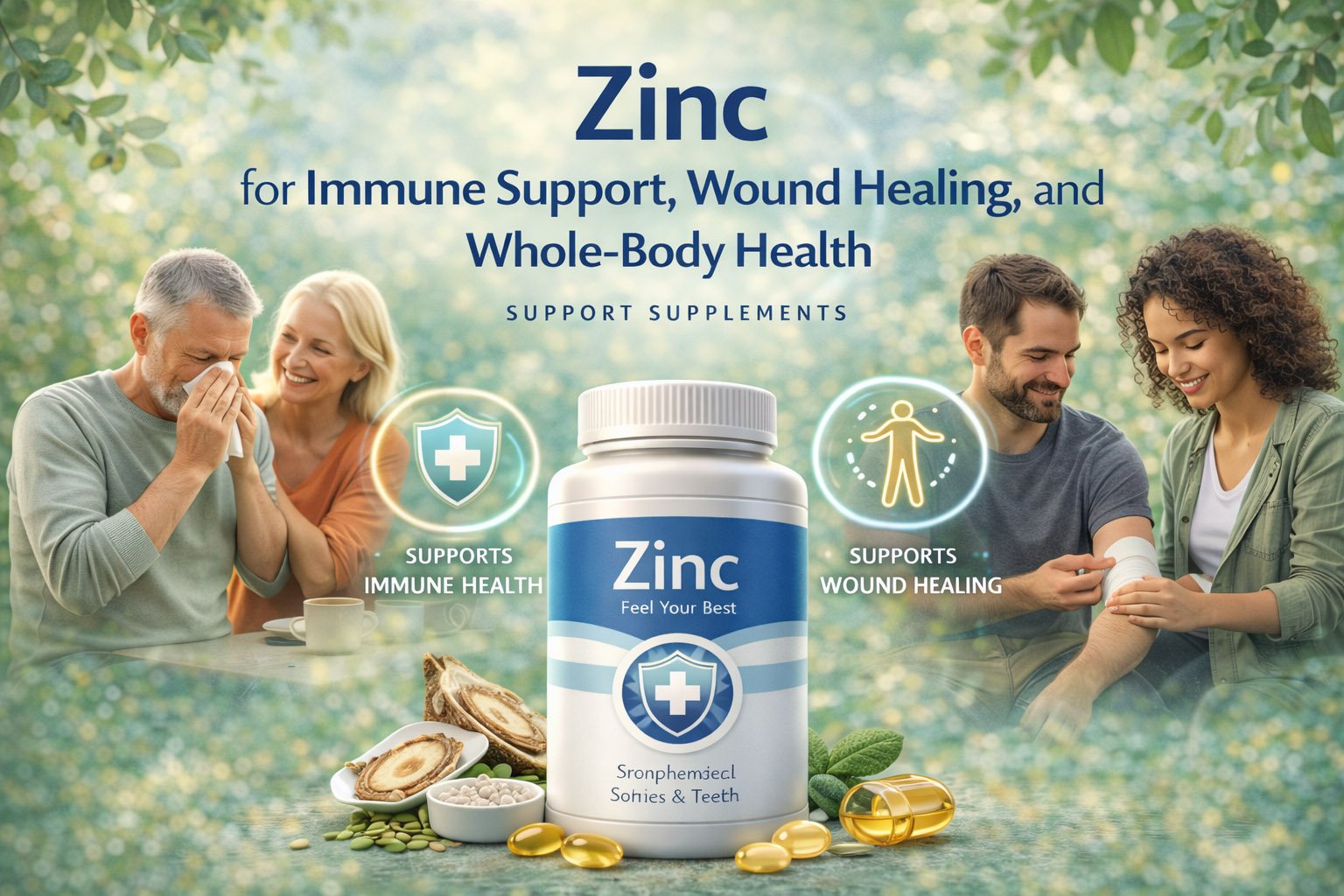
Zinc for Immune Support, Wound Healing, and Whole-Body Health
VitaCoreBalance Editorial Team | Research-based health content · Editorial review process | March 2026 – Updated April
Zinc is an essential trace mineral required for immune defense, cellular repair, hormone regulation, and metabolic function. It plays a critical role in maintaining immune resilience, supporting skin integrity, promoting wound healing, and protecting cells from oxidative stress.
Because the body does not store large amounts of zinc, consistent dietary intake or supplementation is necessary to maintain optimal levels. Even mild zinc deficiency can impair immune response, delay wound healing, reduce energy levels, and affect cognitive function.
Zinc is particularly important during periods of physiological stress, infection, intense physical activity, or recovery from illness. It supports immune cell development, reduces inflammation, and helps regulate hundreds of enzymes involved in metabolism and tissue repair.
Zinc is widely used for:
- Immune system support and infection defense
- Wound healing and tissue repair
- Skin health and inflammation control
- Antioxidant protection
- Hormonal and reproductive health
- Brain function and cognitive performance
- Metabolic and energy regulation
- Recovery from illness and stress
Because of its broad physiological impact, zinc is considered one of the most important micronutrients for maintaining resilience and long-term health.
What Is Zinc
Zinc is a trace mineral that functions as a structural and catalytic component of more than 300 enzymes in the body. It plays a fundamental role in immune cell activity, DNA synthesis, protein production, and tissue repair.
Zinc is found throughout the body, with the highest concentrations in:
Immune cells
Skin and connective tissue
Muscle
Bone
Brain
Reproductive organs
Zinc supports:
- Immune cell development and activation
- DNA and protein synthesis
- Cell division and tissue growth
- Hormone production
- Antioxidant defense
- Wound healing
- Neurological function
- Metabolic regulation
Because zinc is involved in cellular repair and immune signaling, it becomes especially important during infection, injury, and recovery.
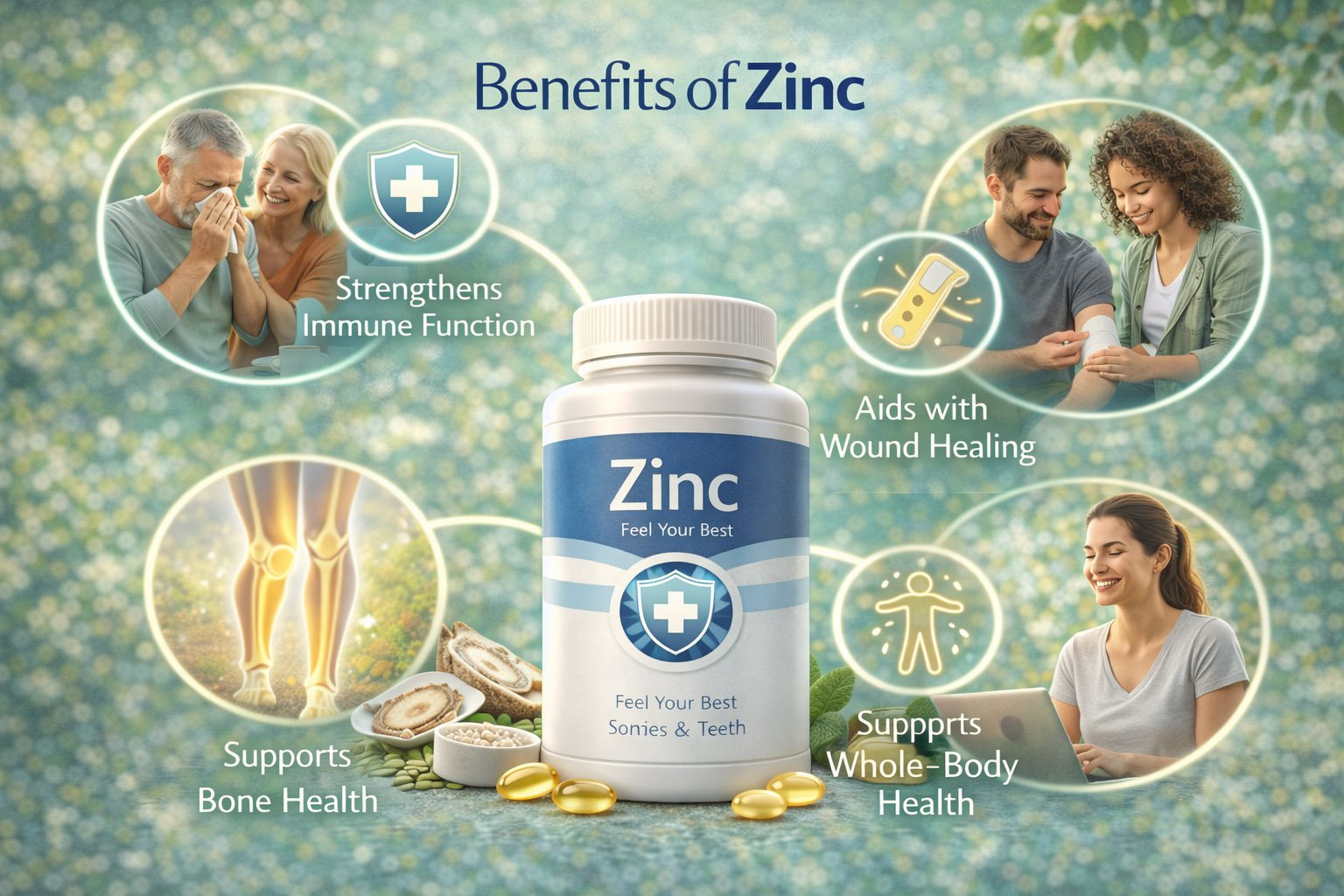
Benefits of Zinc
Immune System Defense and Infection Protection
Zinc plays a central role in immune function by supporting the development and activity of white blood cells and regulating inflammatory responses.
Research shows zinc supports:
- Stronger immune response
- Reduced duration of respiratory infections
- Improved resistance to pathogens
- Balanced inflammation
- Faster recovery from illness
Zinc deficiency is strongly associated with increased infection risk and impaired immune function.
Wound Healing and Tissue Repair
Zinc is essential for collagen synthesis, cell growth, and tissue regeneration. It accelerates healing by supporting immune activity and reducing inflammation at the injury site.
Benefits include:
- Faster wound healing
- Improved skin repair
- Reduced inflammation
- Support for surgical recovery
- Enhanced tissue regeneration
Zinc deficiency can significantly delay wound healing.
Skin Health and Inflammation Control
Zinc helps regulate oil production, reduce inflammation, and support skin barrier function.
It supports:
- Acne management
- Skin healing
- Reduced redness and irritation
- Improved skin integrity
- Protection against oxidative damage
Zinc is commonly used in dermatology due to its anti-inflammatory and antimicrobial properties.
Brain Function and Cognitive Performance
Zinc plays a role in neurotransmitter regulation and brain signaling.
Benefits include:
- Improved memory and learning
- Cognitive support
- Mental clarity
- Stress regulation
- Neurological protection
Low zinc levels are associated with reduced concentration and impaired cognitive performance.
Hormonal and Reproductive Health
Zinc is essential for hormone production and reproductive function in both men and women.
It supports:
- Testosterone production
- Fertility
- Hormonal balance
- Reproductive health
- Sexual function
Zinc deficiency can negatively affect hormone levels and reproductive performance.
Metabolic and Energy Support
Zinc participates in enzyme reactions involved in metabolism and energy production.
It contributes to:
- Blood sugar regulation
- Insulin function
- Protein metabolism
- Cellular energy production
- Nutrient utilization
This metabolic role makes zinc important for overall vitality and resilience.
Antioxidant Protection and Inflammation Regulation
Zinc helps protect cells from oxidative stress and regulates inflammatory responses.
Benefits include:
- Reduced oxidative damage
- Improved immune balance
- Protection against cellular stress
- Support for healthy aging
This protective function contributes to long-term health and disease prevention.
Who May Benefit from Zinc
Zinc supplementation may be particularly beneficial for individuals with increased demand, poor dietary intake, or impaired absorption.
Common groups include:
People with frequent infections
Older adults
Individuals under chronic stress
Athletes and physically active individuals
People with poor dietary intake
Individuals recovering from illness or surgery
People with inflammatory conditions
Individuals with skin concerns
Vegetarians and vegans
People with digestive disorders
Zinc deficiency is relatively common worldwide, particularly in populations with limited intake of animal-based foods.
Safety and Dosage
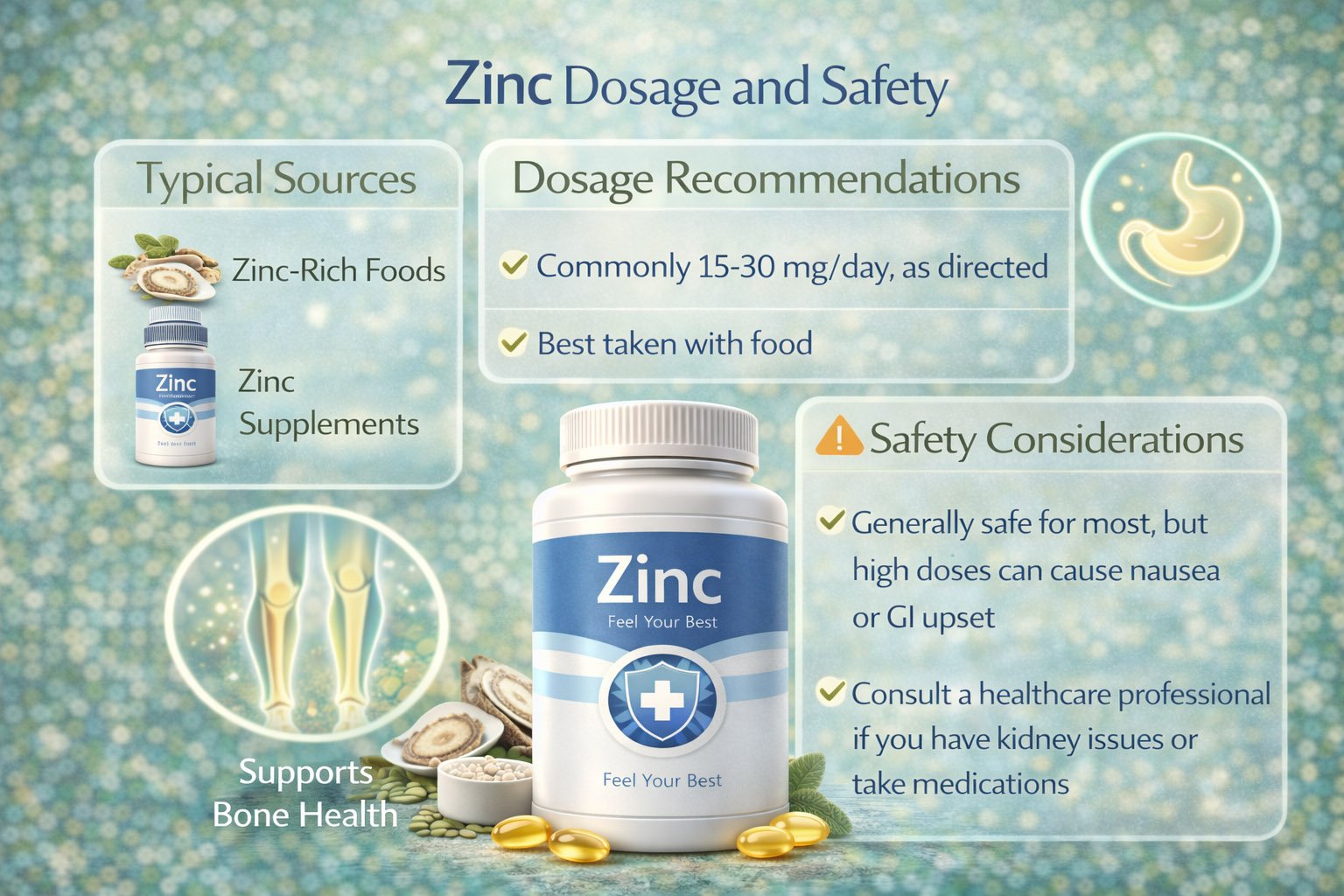
Zinc is safe when used within recommended ranges, but excessive intake can interfere with mineral balance and immune function.
Typical Daily Dosage
General health support:
8–15 mg per day
Immune support:
15–30 mg per day
Short-term immune support during illness:
30–40 mg per day
Upper safe limit (adults):
40 mg per day
Best Time to Take Zinc
Zinc is best taken:
With meals
Earlier in the day
Away from high-dose calcium or iron supplements
Taking zinc with food helps reduce stomach irritation.
Safety Considerations
Zinc is generally safe, but excessive intake may cause:
Nausea
Digestive discomfort
Copper deficiency
Reduced immune function
Use caution if:
You take high-dose zinc long term
You have kidney disease
You take medications affecting mineral absorption
Balanced intake is important for safety.
Evidence and Research
Zinc is one of the most extensively studied minerals in immune health and tissue repair.
Research findings show:
Zinc supports immune cell function
Zinc reduces duration of respiratory infections
Zinc improves wound healing
Zinc supports skin health
Zinc regulates inflammation
Zinc deficiency impairs immune response
Maintaining adequate zinc intake is considered essential for immune resilience and recovery.
Best Supplements
Choosing the right zinc supplement depends on absorption, tolerance, and individual needs.
Zinc Picolinate
Best for:
High absorption
Immune support
Long-term supplementation
Zinc Gluconate
Best for:
General supplementation
Cold and immune support
Short-term use
Zinc Citrate
Best for:
Daily supplementation
Digestive tolerance
Balanced absorption
Zinc Lozenges
Best for:
Short-term immune support
Cold symptom management
Throat and respiratory support
Zinc with Copper
Best for:
Long-term supplementation
Mineral balance
Preventing copper deficiency
FAQ
Can zinc boost the immune system?
Yes. Zinc supports immune cell development and helps regulate inflammation and infection response.
Is it safe to take zinc every day?
Yes. Daily supplementation is safe within recommended dosage ranges.
Can zinc help with colds?
Yes. Zinc may reduce the duration and severity of cold symptoms when taken early.
Can zinc improve skin health?
Yes. Zinc supports skin healing, reduces inflammation, and helps regulate oil production.
Should zinc be taken with food?
Yes. Taking zinc with meals helps reduce stomach irritation and improves tolerance.
Medical Disclaimer
This content is for informational purposes only and does not constitute medical advice. Always consult a qualified healthcare professional.
Editorial Transparency
This article was created following evidence-based health content guidelines and reviewed by the VitaCoreBalance Editorial Team.
SOURCES:
- https://ods.od.nih.gov/factsheets/Zinc-HealthProfessional/
- https://www.ncbi.nlm.nih.gov/books/NBK493231/
- https://pubmed.ncbi.nlm.nih.gov/9701160/
- https://www.ncbi.nlm.nih.gov/pmc/articles/PMC2277319/
- https://www.mayoclinic.org/drugs-supplements-zinc/art-20366112
- https://www.cochranelibrary.com/cdsr/doi/10.1002/14651858.CD001364.pub3/full