
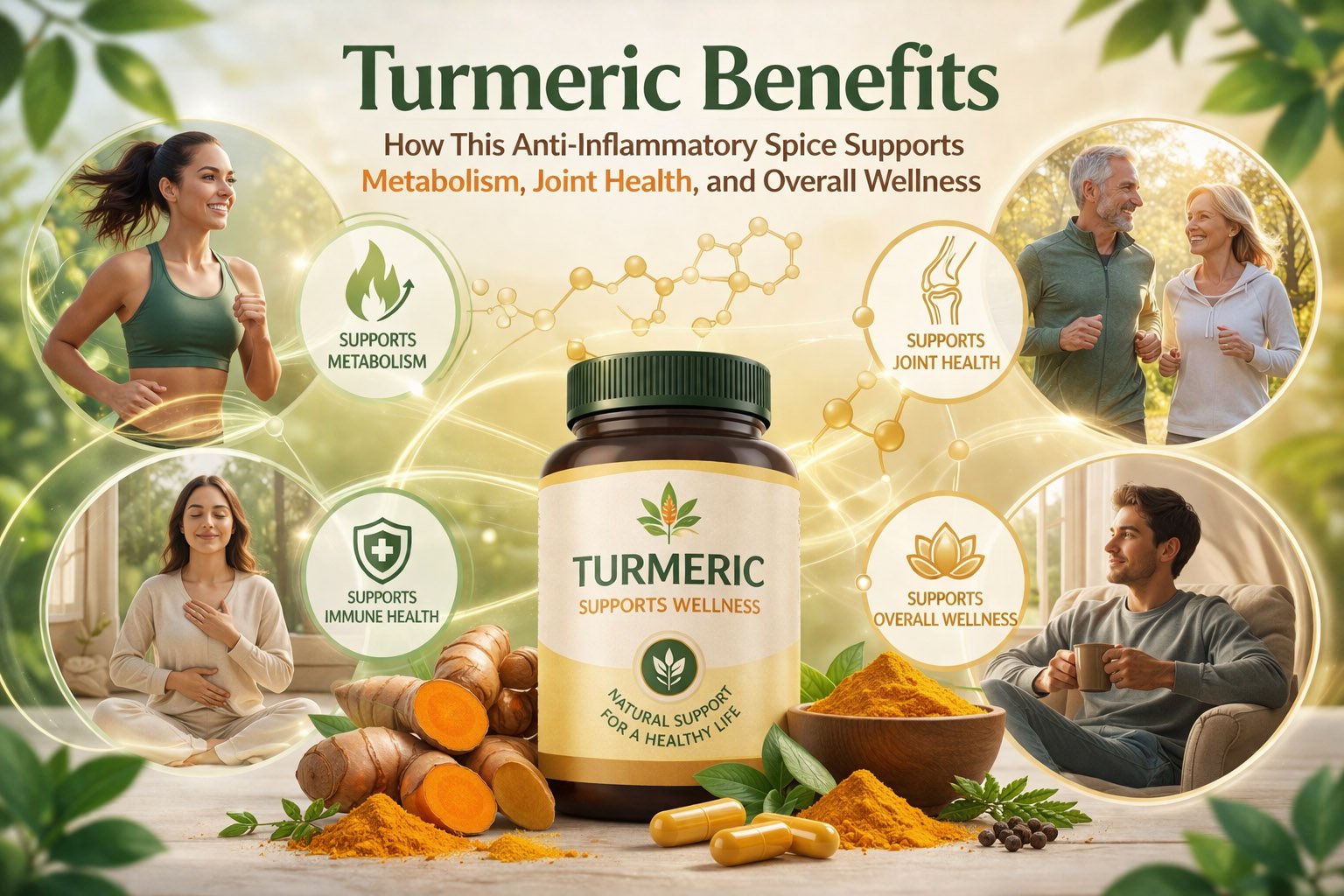
Turmeric Benefits: How This Anti-Inflammatory Spice Supports Metabolism, Joint Health, and Overall Wellness
VitaCoreBalance Editorial Team | Research-based health content · Editorial review process | April 2026
Turmeric is a widely used spice and medicinal plant known for its powerful anti-inflammatory and antioxidant properties. Traditionally used in Ayurvedic and Chinese medicine, turmeric has gained significant attention in modern health research for its potential role in reducing inflammation, supporting metabolic function, and protecting long-term health.
The active compound in turmeric, curcumin, interacts with multiple biological systems, including immune regulation, oxidative stress control, and cellular signaling. These effects connect turmeric directly to broader health systems such as Metabolism, Nutrition, and Hormone Health, as well as Gut Health, Heart Health, and Energy & Fatigue.
Understanding turmeric benefits requires looking beyond its use as a culinary spice. Its biological activity makes it relevant to inflammation, metabolic balance, joint health, and chronic disease prevention.
What Is Turmeric?
Turmeric (Curcuma longa) is a root plant belonging to the ginger family. It has been used for centuries as both a spice and a traditional medicinal herb. The bright yellow color of turmeric comes from curcuminoids, a group of compounds responsible for many of its health effects.
Key components of turmeric include:
- Curcumin (primary active compound)
- Demethoxycurcumin
- Bisdemethoxycurcumin
- Volatile oils
- Antioxidant polyphenols
Curcumin is the most studied compound and is known for its anti-inflammatory and antioxidant activity. However, curcumin has relatively low absorption in the body, which is why turmeric supplements often include black pepper extract (piperine) to enhance bioavailability.
Turmeric’s effects are closely tied to dietary patterns, nutrient intake, and inflammatory status, making it strongly connected to Nutrition and overall Metabolism.
How Turmeric Works in the Body
Turmeric supports health primarily by influencing inflammation, oxidative stress, and cellular signaling pathways. Chronic inflammation is a key driver of many modern diseases, including metabolic disorders, cardiovascular disease, and joint degeneration.
Key physiological actions include:
Reducing inflammation
Curcumin helps regulate inflammatory pathways and may reduce markers of systemic inflammation.
Neutralizing oxidative stress
Turmeric contains antioxidants that protect cells from damage caused by free radicals.
Supporting joint and connective tissue health
Anti-inflammatory effects may help reduce joint discomfort and stiffness.
Supporting metabolic regulation
Curcumin may improve insulin sensitivity and help regulate glucose metabolism.
Protecting cardiovascular health
Turmeric may support blood vessel function and healthy circulation.
These mechanisms explain why turmeric is often studied in the context of Blood Sugar, Heart Health, and chronic inflammation.
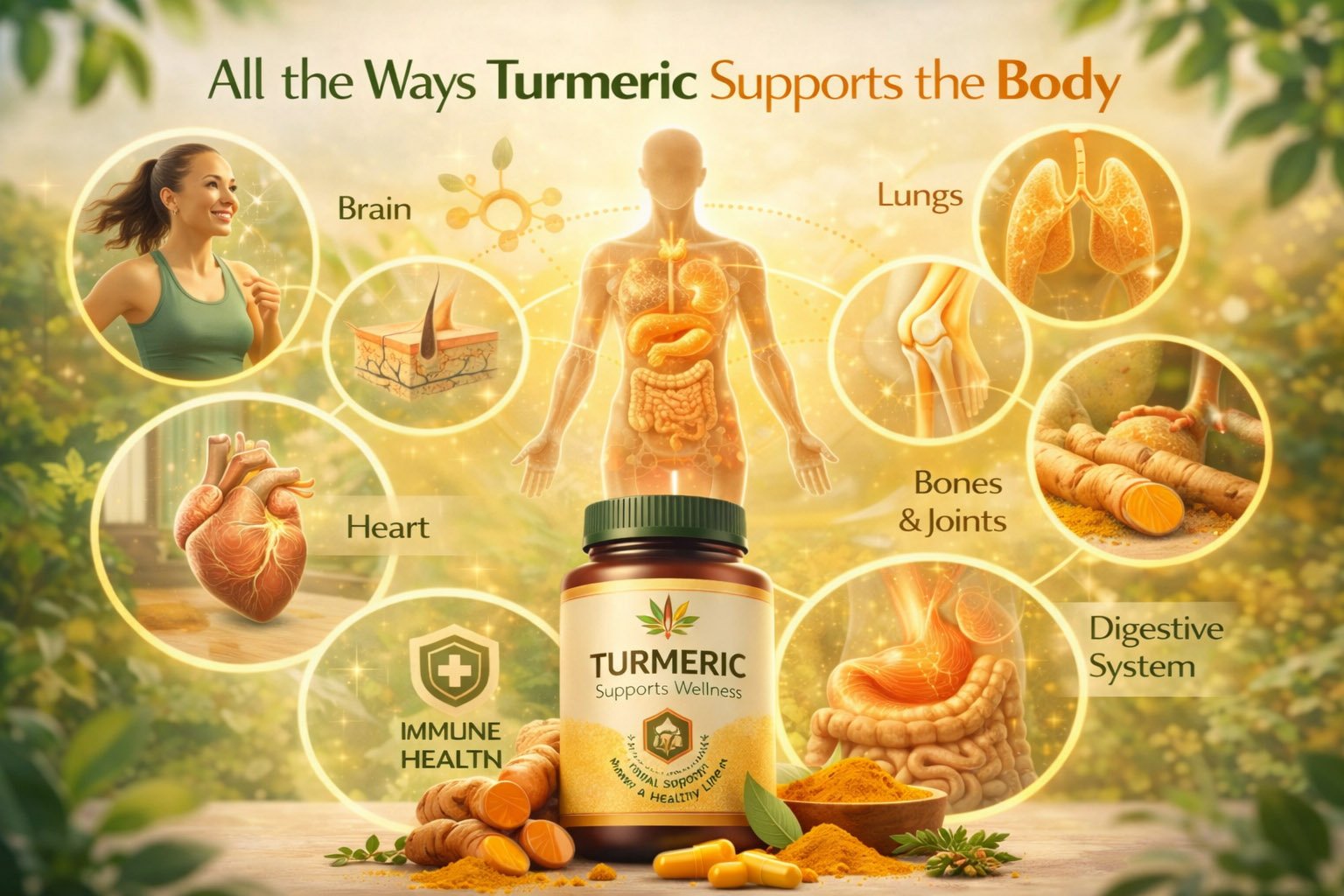
Key Factors That Influence Turmeric Effectiveness
Several factors determine how effectively turmeric supports health.
Absorption and Bioavailability
Curcumin is poorly absorbed on its own. Combining turmeric with fat or black pepper significantly improves absorption.
Factors that improve absorption:
- Piperine (black pepper extract)
- Dietary fats
- Regular intake
- High-quality formulations
Poor absorption is one of the main reasons turmeric supplements vary widely in effectiveness.
Inflammation Levels
Turmeric is most beneficial when inflammation is elevated.
Common drivers of inflammation include:
- Poor diet
- Chronic stress
- Sleep deprivation
- Obesity
- Sedentary lifestyle
These factors also influence Sleep Health, Weight Loss, and Energy & Fatigue.
Diet and Nutrient Status
A nutrient-dense diet supports the body’s response to anti-inflammatory compounds.
Important nutrients include:
Diet quality is one of the strongest determinants of inflammation and metabolic resilience, linking turmeric benefits closely to Nutrition and Gut Health.
Conditions Linked to Inflammation That Turmeric May Support
Turmeric is most commonly studied in conditions involving chronic inflammation or oxidative stress.
Examples include:
Joint pain and osteoarthritis
Inflammation contributes to cartilage breakdown and joint stiffness.
Metabolic syndrome
Chronic inflammation is associated with insulin resistance and metabolic dysfunction.
Digestive disorders
Inflammation in the gut can disrupt digestion and nutrient absorption.
Cardiovascular disease risk
Inflammation plays a central role in arterial health.
Fatigue and low energy
Inflammatory stress can impair mitochondrial function and energy production.
These conditions highlight the interconnected nature of inflammation, metabolism, and systemic health, reinforcing the importance of managing inflammation through Metabolism, Hormone Health, and lifestyle regulation.
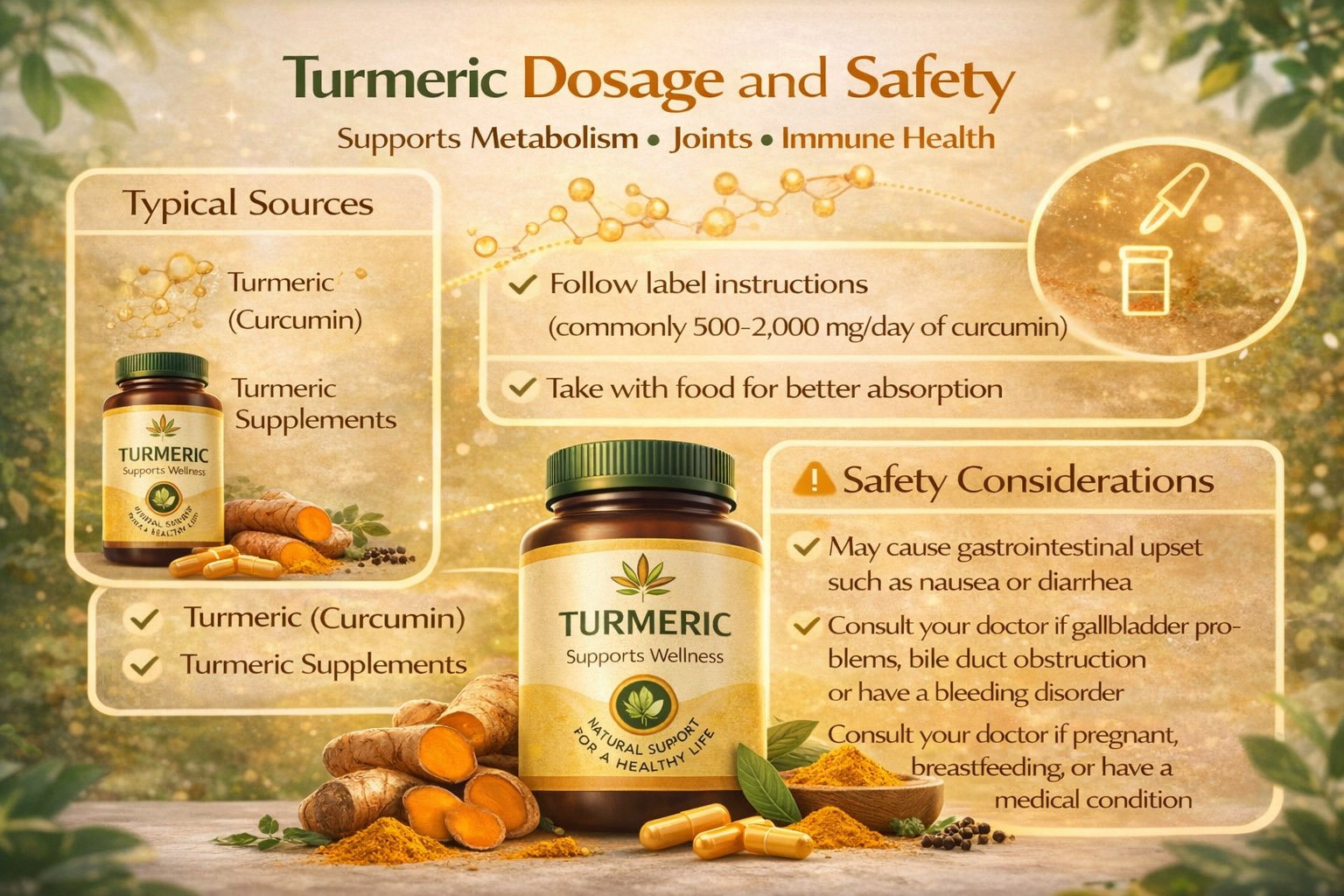
Practical Strategies to Use Turmeric Effectively
Turmeric can be used as a dietary spice or as a supplement. The effectiveness depends on dosage, absorption, and consistency.
Include Turmeric in Daily Meals
Using turmeric in cooking is a simple way to support anti-inflammatory balance.
Examples include:
- Soups and stews
- Rice dishes
- Smoothies
- Curries
- Roasted vegetables
Combining turmeric with healthy fats improves absorption.
Use Turmeric With Black Pepper
Black pepper contains piperine, which significantly increases curcumin absorption.
This combination is widely used in clinical research and supplement formulations.
Maintain a Healthy Lifestyle
Turmeric works best when combined with healthy habits.
Key behaviors include:
- Balanced nutrition
- Regular physical activity
- Stress management
- Adequate sleep
- Blood sugar control
These behaviors support both inflammation control and long-term Metabolism and Heart Health.
Why Turmeric Matters for Long-Term Health
Turmeric is not a cure-all, but it is a valuable dietary component that supports the body’s natural inflammatory balance and cellular protection systems.
Potential long-term benefits include:
- Reduced inflammation
- Improved joint comfort
- Better metabolic function
- Cardiovascular support
- Enhanced antioxidant protection
- Improved recovery and resilience
Chronic inflammation is one of the most important drivers of aging and disease risk. Supporting inflammatory balance through diet, lifestyle, and nutrient intake can significantly improve long-term health outcomes.
This is why turmeric is best viewed as part of a broader health strategy involving Nutrition, Metabolism, and systemic regulation rather than as an isolated supplement.
FAQ: Turmeric Benefits
Is turmeric good for inflammation?
Turmeric contains curcumin, a compound known for its anti-inflammatory properties. It may help support inflammatory balance when used consistently as part of a healthy lifestyle.
How long does it take to see benefits from turmeric?
Some individuals may notice changes within a few weeks, but consistent intake over time is typically required for measurable effects.
Can turmeric help with joint pain?
Turmeric may support joint comfort by reducing inflammation, particularly in individuals with mild joint stiffness or age-related joint changes.
Is turmeric safe for daily use?
Turmeric is generally considered safe when consumed in typical dietary amounts. Individuals taking medications or managing chronic conditions should consult a healthcare professional before using high-dose supplements.
Medical Disclaimer
This content is for informational purposes only and does not constitute medical advice. Always consult a qualified healthcare professional.
Editorial Transparency
This article was created following evidence-based health content guidelines and reviewed by the VitaCoreBalance Editorial Team.
SOURCES:
- National Institutes of Health (NIH). Office of Dietary Supplements — Dietary Supplements for Inflammation
- Harvard Health Publishing — Turmeric and Curcumin Health Effects
- Cleveland Clinic — Anti-Inflammatory Foods and Supplements
- Mayo Clinic — Herbal Supplements and Safety
- National Library of Medicine (PubMed) — Curcumin Research
- World Health Organization — Herbal Medicine Safety