
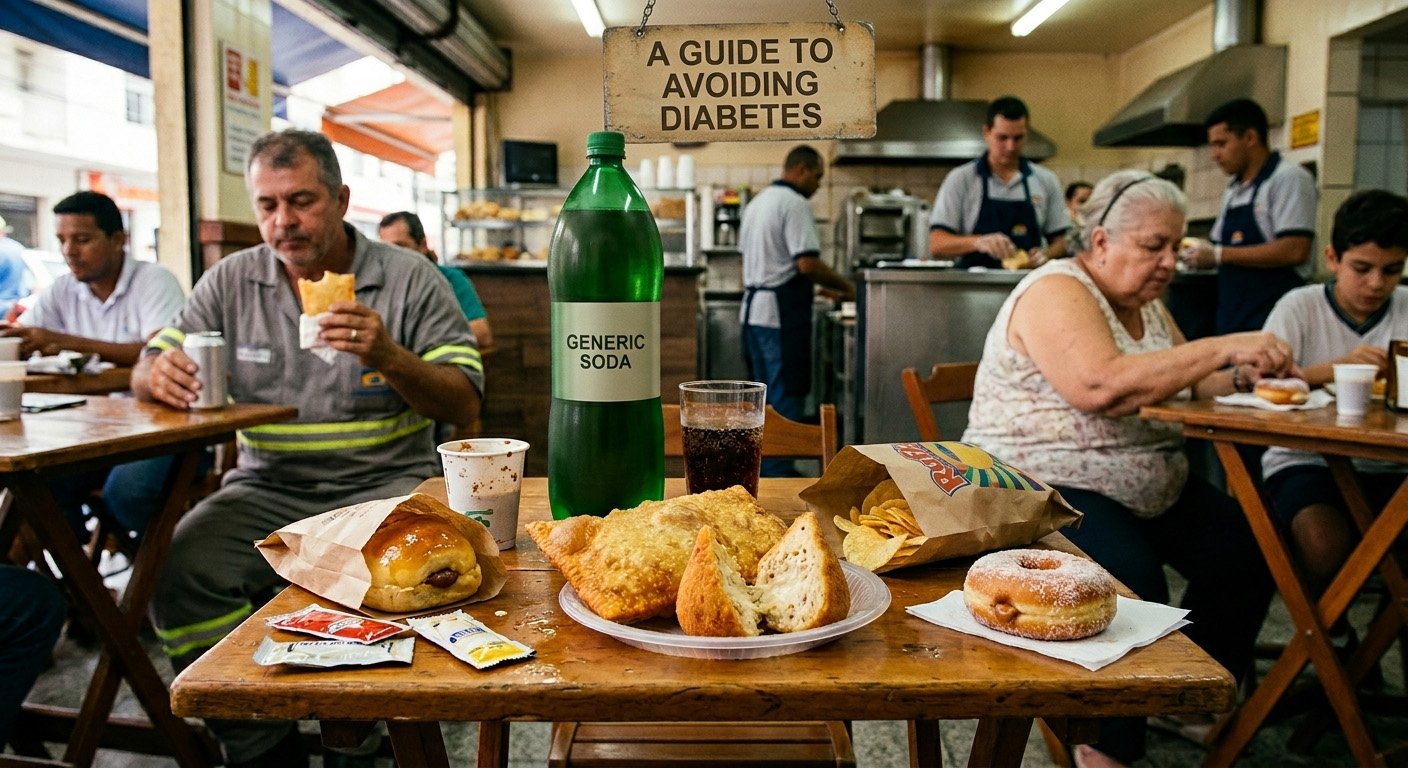
Worst Foods for Blood Sugar Spikes
VitaCoreBalance Editorial Team | Research-based health content • Editorial review process | March 2026
Introduction: Why Some Foods Trigger Sudden Glucose Surges
Not all foods affect blood sugar in the same way. Some cause gradual increases in glucose that support stable energy, while others trigger rapid spikes followed by sharp drops. These fluctuations can lead to fatigue, cravings, irritability, and long-term metabolic stress.
Understanding which foods are most likely to cause blood sugar spikes is essential for maintaining steady energy, supporting Metabolism, and protecting long-term health. This topic is closely connected to Nutrition, Hormone Health, and daily lifestyle habits such as sleep and physical activity.
For people with insulin resistance, prediabetes, or diabetes, identifying high-risk foods is particularly important. But even individuals without diagnosed conditions can benefit from reducing frequent glucose spikes, which are increasingly recognized as a driver of fatigue, weight gain, and cardiovascular risk.
What Are Blood Sugar Spikes?
A blood sugar spike occurs when glucose levels rise quickly after eating, typically due to foods that are rapidly digested and absorbed.
These spikes are usually followed by:
- A surge in insulin
- A rapid drop in blood sugar
- Increased hunger
- Reduced energy
- Cravings for more carbohydrates
Frequent spikes can strain the body’s metabolic system and contribute to insulin resistance over time, linking this issue directly to Blood Sugar regulation and long-term Energy & Fatigue management.
How Certain Foods Cause Rapid Blood Sugar Increases (Physiology)
Blood sugar responses depend on how quickly carbohydrates are broken down into glucose and absorbed into the bloodstream.
Key mechanisms
Rapid digestion
Highly processed foods are broken down quickly, causing glucose to enter the bloodstream faster than the body can regulate.
Low fiber content
Fiber slows digestion and glucose absorption. Foods low in fiber tend to produce sharper spikes.
High glycemic load
Large portions of carbohydrate-rich foods can overwhelm the body’s ability to maintain stable glucose levels.
These physiological responses are influenced by both dietary patterns and hormonal regulation, highlighting the role of Hormone Health in glucose stability.
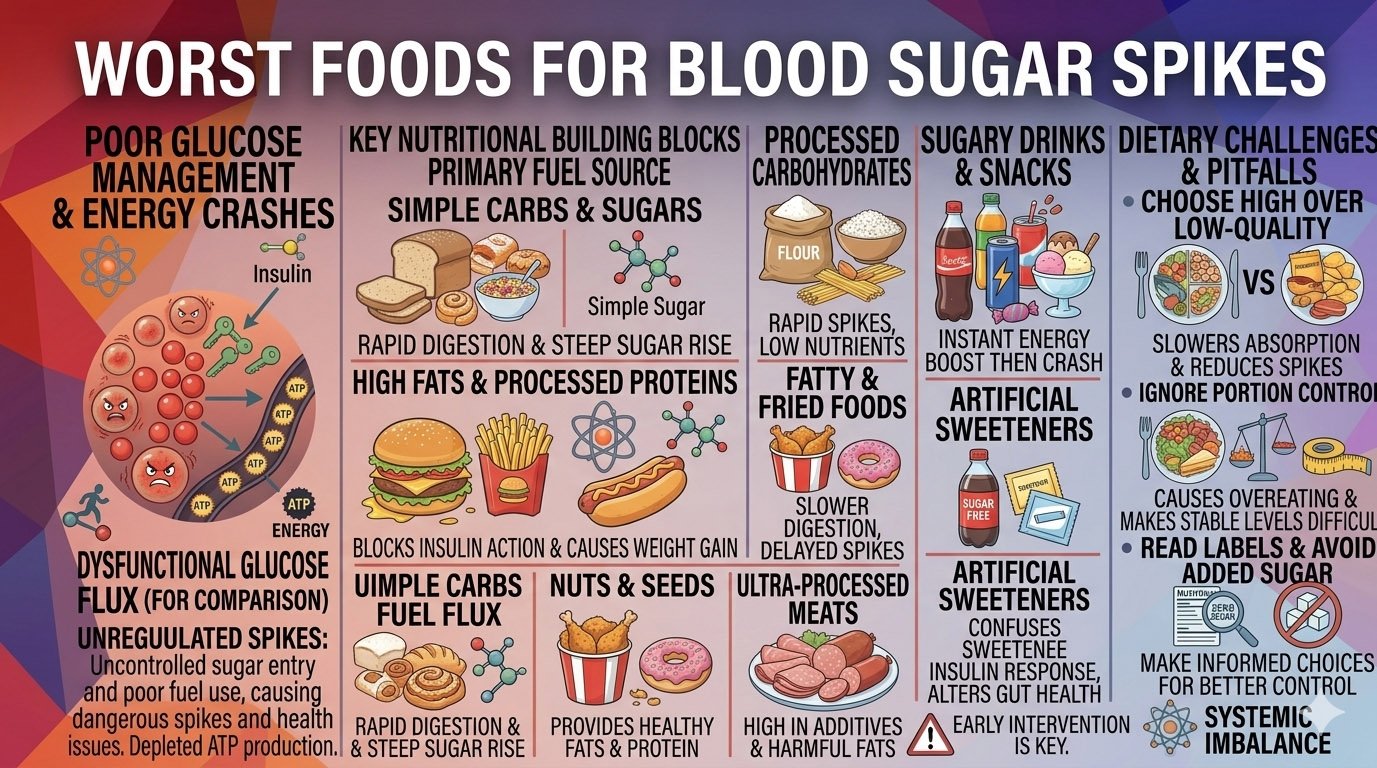
Worst Foods for Blood Sugar Spikes
The following foods are consistently associated with rapid increases in blood glucose and reduced metabolic stability.
1) Sugary Drinks
Examples:
- Soda
- Sweetened coffee drinks
- Energy drinks
- Fruit juices
- Sweetened teas
Why they cause spikes:
- Contain large amounts of rapidly absorbed sugar
- Provide little or no fiber
- Enter the bloodstream quickly
Sugary beverages are one of the strongest predictors of blood sugar spikes and are linked to increased risk of obesity and type 2 diabetes.
They are also strongly associated with poor outcomes in Heart Health.
2) Refined Grains
Examples:
- White bread
- White rice
- Regular pasta
- Refined cereals
- Crackers made with white flour
Why they cause spikes:
- Low fiber content
- Rapid digestion
- High glycemic index
Replacing refined grains with whole grains is a foundational strategy in Nutrition and metabolic health.
3) Pastries and Baked Goods
Examples:
- Donuts
- Muffins
- Croissants
- Cakes
- Cookies
Why they cause spikes:
- High in refined carbohydrates
- Often contain added sugars
- Frequently include unhealthy fats
These foods can produce both rapid glucose increases and excess calorie intake, contributing to weight gain and insulin resistance.
This connection is particularly relevant to Weight Loss and metabolic disease prevention.
4) Breakfast Cereals with Added Sugar
Examples:
- Sweetened cereals
- Frosted flakes
- Chocolate-flavored cereals
- Granola with added sugar
Why they cause spikes:
- High sugar content
- Low protein
- Rapid digestion
Many breakfast cereals marketed as “healthy” still contain significant amounts of added sugar, making label reading an essential skill for blood sugar management.
5) Candy and Sweets
Examples:
- Chocolate bars
- Gummies
- Hard candy
- Caramel
- Syrup
Why they cause spikes:
- Extremely high sugar concentration
- Minimal nutritional value
- Rapid absorption
Frequent consumption of sweets can contribute to glucose instability and energy crashes.
6) Ultra-Processed Snack Foods
Examples:
- Potato chips
- Packaged snack cakes
- Sweetened granola bars
- Flavored crackers
- Processed desserts
Why they cause spikes:
- Refined carbohydrates
- Added sugars
- Low fiber content
Ultra-processed foods are strongly associated with poor metabolic health and increased risk of chronic disease.
They can also disrupt digestive balance, highlighting the connection between diet and Gut Health.
7) Large Portions of High-Glycemic Foods
Examples:
- Large servings of white rice
- Large pasta meals
- Large portions of potatoes
- Oversized desserts
Why they cause spikes:
- High carbohydrate load
- Rapid glucose release
- Increased insulin demand
Even relatively healthy foods can cause spikes when consumed in excessive amounts, reinforcing the importance of portion control.
Common Signs of Blood Sugar Spikes
People often recognize spikes through symptoms rather than blood tests.
Typical signs include:
- Sudden fatigue
- Brain fog
- Increased thirst
- Hunger shortly after eating
- Irritability
- Energy crashes
These symptoms are closely tied to Energy & Fatigue patterns and daily metabolic stability.
Related Conditions Linked to Frequent Blood Sugar Spikes
Repeated glucose spikes are associated with several metabolic disorders.
Insulin Resistance
A condition where cells respond poorly to insulin.
Common features:
- Elevated blood sugar
- Increased hunger
- Abdominal weight gain
- Fatigue
This condition is strongly linked to Metabolism dysfunction.
Type 2 Diabetes
A chronic condition characterized by persistently elevated blood sugar.
Risk increases with:
- Frequent spikes
- Poor diet quality
- Sedentary lifestyle
- Excess body weight
Cardiovascular Disease
High blood sugar contributes to inflammation and vascular damage.
Frequent spikes are associated with:
- Hypertension
- Atherosclerosis
- Heart disease
This connection underscores the importance of protecting Heart Health through stable glucose regulation.
Practical Strategies to Reduce Blood Sugar Spikes
These evidence-based strategies can help stabilize glucose levels.
Combine Carbohydrates with Protein or Fat
Example:
Instead of:
White bread alone
Choose:
Whole grain bread with eggs or peanut butter
This slows digestion and reduces glucose spikes.
Increase Fiber Intake
Fiber helps:
- Slow glucose absorption
- Improve satiety
- Support digestive health
High-fiber foods support both Nutrition and long-term metabolic balance.
Avoid Liquid Sugar
Liquid calories are absorbed faster than solid foods.
Replacing sugary drinks with:
- Water
- Unsweetened tea
- Sparkling water
can significantly reduce blood sugar spikes.
Eat Regular Meals
Skipping meals can lead to larger glucose swings later in the day.
Consistent meal timing supports:
- Hormonal balance
- Stable energy
- Improved metabolic regulation
This pattern is closely related to Sleep Health and circadian rhythm.
Monitor Portion Sizes
Even healthy foods can raise blood sugar when consumed in very large amounts.
Balanced portions help maintain stable glucose levels.
Why Reducing Blood Sugar Spikes Matters for Long-Term Health
Frequent glucose spikes are not just a short-term energy issue—they are a long-term health risk.
Over time, repeated spikes can contribute to:
- Insulin resistance
- Chronic fatigue
- Weight gain
- Cardiovascular disease
- Hormonal imbalance
- Metabolic dysfunction
Maintaining stable blood sugar supports:
- Consistent energy
- Healthy body weight
- Better cognitive performance
- Reduced disease risk
This is why controlling blood sugar is central to both prevention and overall metabolic health.
Final Thoughts: Stability Matters More Than Perfection
No one needs to eliminate every high-glycemic food. The goal is not perfection—it is stability.
Reducing the most common triggers of blood sugar spikes can produce meaningful improvements in:
- Energy levels
- Appetite control
- Metabolic health
- Long-term disease risk
Understanding the relationship between Blood Sugar, Nutrition, Metabolism, Hormone Health, and Energy & Fatigue provides a practical foundation for healthier daily habits.
FAQ
What food causes the biggest blood sugar spike?
Sugary drinks are among the most powerful triggers because they contain large amounts of rapidly absorbed sugar without fiber or protein.
Can healthy foods still cause blood sugar spikes?
Yes. Large portions of carbohydrate-rich foods—even healthy ones—can raise blood sugar quickly.
How quickly do blood sugar spikes happen?
Spikes typically occur within:
30 to 60 minutes after eating
Are spikes dangerous if they happen occasionally?
Occasional spikes are normal. Frequent spikes, however, can increase the risk of metabolic disease over time.
Medical Disclaimer
This content is for informational purposes only and does not constitute medical advice. Always consult a qualified healthcare professional.
Editorial Transparency
This article was created following evidence-based health content guidelines and reviewed by the VitaCoreBalance Editorial Team.
Sources
American Diabetes Association (ADA)
Standards of Medical Care in Diabetes — Nutrition Therapy
National Institute of Diabetes and Digestive and Kidney Diseases (NIDDK)
Diabetes Diet and Blood Sugar Control
Harvard T.H. Chan School of Public Health
Glycemic Index and Glycemic Load
Centers for Disease Control and Prevention (CDC)
Ludwig DS et al.
The Glycemic Index: Physiological Mechanisms Relating to Obesity and Diabetes
American Journal of Clinical Nutrition
Hall KD et al.
Ultra-Processed Diets Cause Excess Calorie Intake and Weight Gain
Cell Metabolism
Reynolds A et al.
Carbohydrate Quality and Human Health: Systematic Review and Meta-Analysis
The Lancet