

Blood Sugar Control
VitaCoreBalance Editorial Team | Research-based health content • Editorial review process | April 2026
Blood sugar regulation is closely connected to multiple systems in the body, including Metabolism, Nutrition, and Hormone Health.
It also plays a major role in cardiovascular risk, weight management, and energy stability, linking directly to Heart Health, Weight Loss, and Energy & Fatigue. Understanding how blood sugar control works helps support long-term health and prevent metabolic complications.
What Is Blood Sugar Control?
Blood sugar control refers to the body’s ability to maintain glucose levels within a healthy range throughout the day. This process involves a balance between glucose intake, insulin production, and energy use by cells.
Healthy blood sugar control allows the body to:
- Maintain stable energy levels
- Support brain function
- Protect blood vessels
- Reduce inflammation
- Prevent metabolic disease
When blood sugar regulation becomes impaired, the risk of conditions such as diabetes, heart disease, and metabolic syndrome increases.
Blood sugar stability is a central component of metabolic health discussed in Blood Sugar and Metabolism.
How Blood Sugar Control Works (Physiology)
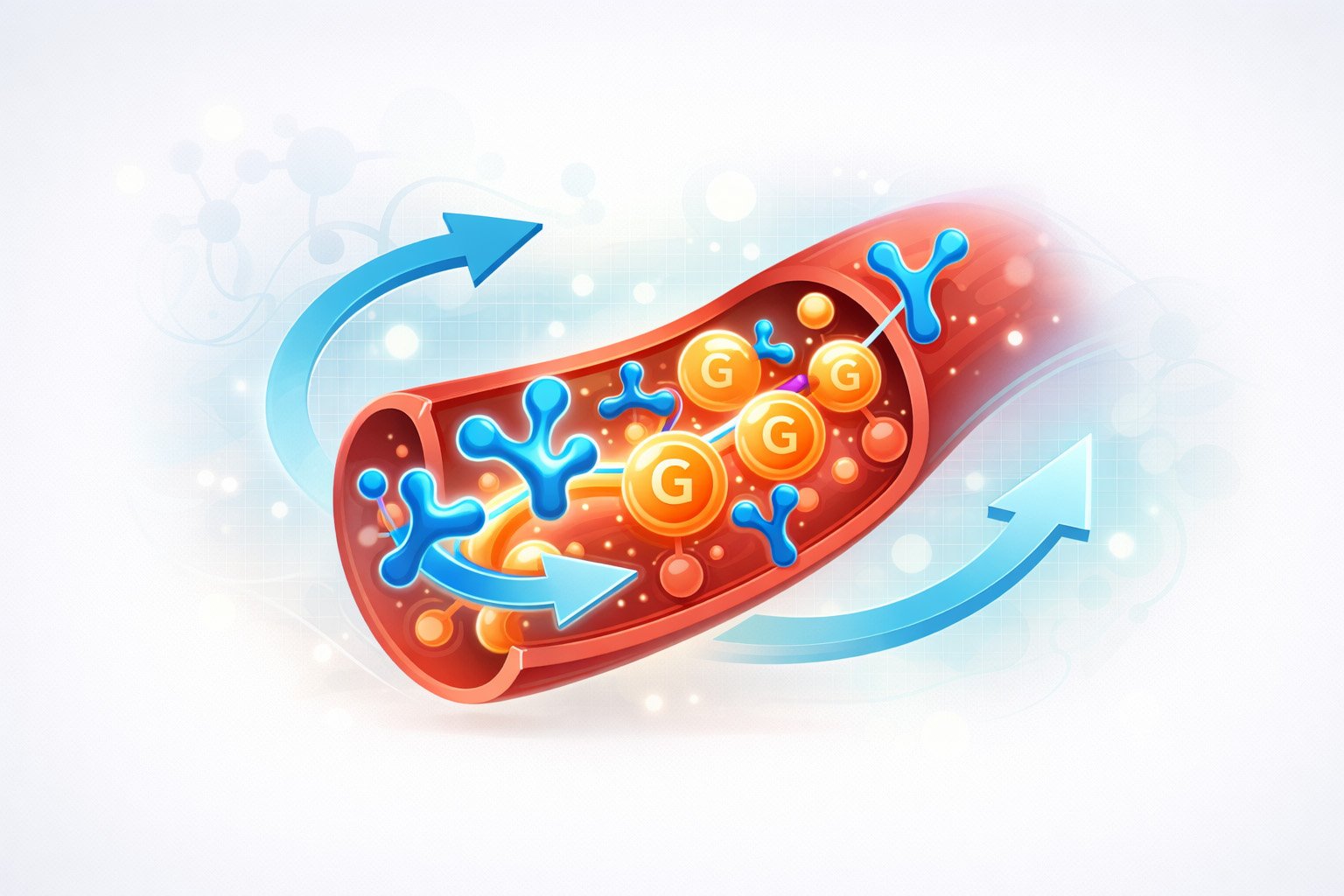
Blood sugar regulation depends on coordinated communication between the pancreas, liver, muscles, and hormones.
After eating carbohydrates:
- Glucose enters the bloodstream
- The pancreas releases insulin
- Cells absorb glucose for energy
- Excess glucose is stored in the liver and muscles
Between meals, the body maintains stable blood sugar by releasing stored glucose.
This balance helps prevent large fluctuations in blood sugar levels and supports metabolic stability discussed in Metabolism.
The Role of Insulin
Insulin is the primary hormone responsible for lowering blood sugar.
It helps:
- Move glucose into cells
- Store excess glucose
- Regulate metabolism
- Prevent blood sugar spikes
When insulin sensitivity declines, blood sugar levels rise.
Insulin resistance is closely connected to metabolic dysfunction discussed in Hormone Health.
The Role of the Liver
The liver plays a key role in maintaining blood sugar stability.
It helps:
- Store glucose as glycogen
- Release glucose between meals
- Regulate energy supply
Healthy liver function supports metabolic balance discussed in Metabolism.
The Role of Hormones
Several hormones help regulate blood sugar levels.
These include:
- Insulin
- Glucagon
- Cortisol
- Growth hormone
Hormonal regulation is closely connected to metabolic stability discussed in Hormone Health.
Factors That Affect Blood Sugar Control
Many daily habits influence blood sugar regulation.
Diet and Nutrition
Food choices have a direct impact on blood sugar stability.
Dietary factors that influence blood sugar include:
- Carbohydrate quality
- Fiber intake
- Meal timing
- Portion size
Balanced dietary patterns support metabolic regulation discussed in Nutrition.
Physical Activity
Exercise improves insulin sensitivity and helps muscles use glucose efficiently.
Benefits include:
- Lower blood sugar levels
- Improved energy production
- Reduced inflammation
- Reduced cardiovascular risk
Physical activity supports prevention strategies discussed in Heart Health.
Sleep
Sleep plays a major role in blood sugar regulation.
Poor sleep can lead to:
- Increased insulin resistance
- Increased appetite
- Increased inflammation
- Increased cardiovascular risk
Sleep patterns strongly influence metabolic health discussed in Sleep Health.
Stress
Chronic stress can disrupt blood sugar control through hormonal changes.
Stress-related effects may include:
- Increased cortisol
- Increased blood sugar
- Increased appetite
- Increased inflammation
Stress regulation is closely connected to hormonal balance discussed in Hormone Health.
Body Weight
Excess body fat — particularly abdominal fat — increases insulin resistance.
Healthy weight management supports:
- Improved blood sugar control
- Reduced inflammation
- Reduced cardiovascular risk
Weight regulation is closely connected to metabolic health discussed in Weight Loss.
Signs of Poor Blood Sugar Control
Blood sugar problems often develop gradually but may produce noticeable symptoms.
Common signs include:
- Fatigue
- Increased thirst
- Frequent urination
- Increased hunger
- Blurred vision
- Brain fog
- Slow wound healing
These symptoms often overlap with energy-related issues discussed in Energy & Fatigue.
Health Conditions Linked to Poor Blood Sugar Control
Persistent blood sugar imbalance can increase the risk of several chronic conditions.
Type 2 Diabetes
Poor blood sugar regulation is the primary cause of type 2 diabetes.
This condition may lead to:
- Nerve damage
- Kidney disease
- Vision problems
- Cardiovascular disease
Blood sugar regulation is a central focus of metabolic health discussed in Blood Sugar.
Heart Disease
High blood sugar can damage blood vessels and increase inflammation.
This can lead to:
- Atherosclerosis
- High blood pressure
- Heart attack
- Stroke
Cardiovascular risk is closely linked to metabolic regulation discussed in Heart Health.

Metabolic Syndrome
Metabolic syndrome is a cluster of conditions that increase cardiovascular risk.
These include:
- High blood sugar
- High blood pressure
- Abdominal obesity
- Abnormal cholesterol levels
Metabolic syndrome is closely connected to metabolic balance discussed in Metabolism.
Fatty Liver Disease
Excess blood sugar can be converted into fat and stored in the liver.
This condition may lead to:
- Liver inflammation
- Liver damage
- Reduced metabolic efficiency
Liver health is strongly influenced by metabolic regulation discussed in Metabolism.
Practical Strategies to Improve Blood Sugar Control
Improving blood sugar control often involves small, consistent lifestyle changes.
Eat Balanced Meals
Balanced meals help prevent large blood sugar spikes.
Helpful habits include:
- Combining protein, fiber, and healthy fats
- Limiting added sugar
- Choosing whole foods
- Eating regular meals
These dietary strategies align with guidance discussed in Nutrition.
Increase Physical Activity
Regular movement improves insulin sensitivity.
Helpful activities include:
- Walking
- Strength training
- Cycling
- Swimming
Physical activity supports prevention strategies discussed in Heart Health.
Improve Sleep Quality
Healthy sleep supports metabolic and hormonal regulation.
Helpful habits include:
- Maintaining a consistent sleep schedule
- Reducing screen exposure before bed
- Creating a quiet sleep environment
Healthy sleep patterns support recovery discussed in Sleep Health.
Manage Stress
Stress management helps regulate hormones that influence blood sugar.
Helpful strategies include:
- Deep breathing
- Physical activity
- Relaxation techniques
Stress regulation supports systems discussed in Hormone Health.
Monitor Blood Sugar Levels
Monitoring helps detect problems early and guide treatment decisions.
Important indicators include:
- Fasting blood sugar
- Post-meal blood sugar
- Hemoglobin A1C
Monitoring supports prevention strategies discussed in Metabolism.
Why Blood Sugar Control Matters for Long-Term Health
Blood sugar control affects nearly every organ system in the body. Persistent blood sugar imbalance can damage blood vessels, disrupt hormone regulation, and increase inflammation — all of which increase the risk of chronic disease.
Maintaining stable blood sugar can:
- Reduce cardiovascular risk
- Improve energy levels
- Support weight management
- Reduce inflammation
- Protect long-term health
Because blood sugar regulation influences multiple systems, improving blood sugar control supports prevention strategies across Metabolism, Nutrition, Heart Health, Hormone Health, and Weight Loss.
Final Thoughts
Blood sugar control is one of the most powerful tools for protecting long-term health. Stable glucose levels support energy production, hormone balance, and cardiovascular function, while reducing the risk of chronic disease.
Small daily habits — such as balanced nutrition, regular physical activity, quality sleep, and stress management — can significantly improve blood sugar control over time.
Protecting health begins with controlling blood sugar.
FAQ — Glycemic Index
What is the glycemic index?
The glycemic index (GI) is a scale from 0 to 100 that measures how quickly carbohydrate-containing foods raise blood sugar levels. Low-GI foods are digested more slowly and help support stable energy and blood sugar control.
What is considered a low glycemic index?
A low glycemic index is typically defined as 55 or below. These foods raise blood sugar gradually and are often recommended for maintaining stable glucose levels and long-lasting energy.
Why is the glycemic index important for blood sugar control?
The glycemic index helps predict how quickly a food will increase blood sugar. Choosing lower-GI foods may reduce sudden spikes, improve energy stability, and support overall metabolic health.
What foods have a low glycemic index?
Common low-GI foods include:
Oats
Lentils
Apples
Berries
Beans
Sweet potatoes
Non-starchy vegetables
These foods are typically rich in fiber and digest more slowly.
Is the glycemic index the same as glycemic load?
No. The glycemic index measures how quickly a food raises blood sugar, while glycemic load considers both the speed and the amount of carbohydrates in a typical serving. Glycemic load often provides a more practical estimate of a food’s real impact on blood sugar.
Can cooking change the glycemic index of foods?
Yes. Cooking methods and cooking time can affect the glycemic index. Longer cooking times often increase the GI because carbohydrates become easier to digest.
Are all high glycemic index foods unhealthy?
Not necessarily. Some high-GI foods can be part of a balanced diet when combined with fiber, protein, or healthy fats. The overall meal composition matters more than a single food.
How can I lower the glycemic impact of a meal?
You can reduce the glycemic impact of a meal by:
Adding fiber-rich foods
Including protein or healthy fats
Choosing whole grains instead of refined carbohydrates
Avoiding sugary drinks
Controlling portion sizes
These strategies help slow digestion and stabilize blood sugar.
Recommended Supplements:




Antioxidant compounds that may support cellular energy and reduce oxidative stress
Medical Disclaimer
This content is for informational purposes only and does not constitute medical advice. Always consult a qualified healthcare professional.
Editorial Transparency
This article was created following evidence-based health content guidelines and reviewed by the VitaCoreBalance Editorial Team.
Sources
Medical Institutions
Centers for Disease Control and Prevention (CDC)
National Institutes of Health (NIH)
Mayo Clinic — Blood Sugar Control
American Diabetes Association (ADA)
Global Organizations
World Health Organization (WHO) — Diabetes and Metabolic Health
Peer-Reviewed Studies
Nathan DM et al.
Management of hyperglycemia in type 2 diabetes
Diabetes Care
DeFronzo RA
Pathogenesis of type 2 diabetes mellitus
Medical Clinics of North America
Scientific Review
Tabák AG et al.
Prediabetes: A high-risk state for diabetes development
The Lancet