

Metabolism and Weight Management: The Science Behind Fat Loss, Energy, and Long-Term Health
VitaCoreBalance Editorial Team | Research-based health content • Editorial review process | March 2026
Most people believe that weight management is simply a matter of eating less and exercising more. While energy balance is important, the reality is far more complex. The way your body stores, uses, and burns energy is deeply influenced by metabolism and the hormonal systems that regulate it.
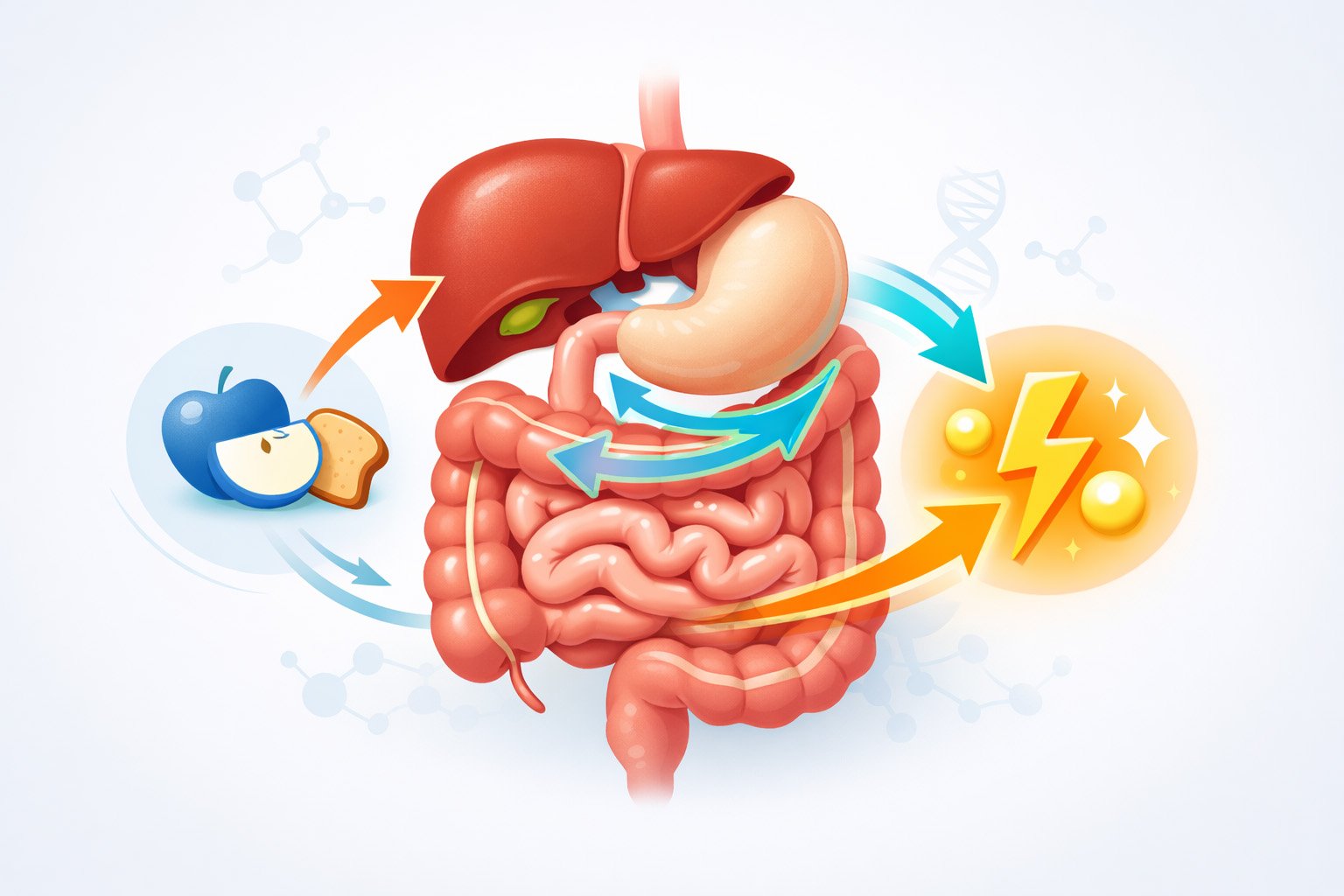
Metabolism—the sum of all chemical processes that keep your body alive—plays a central role in fat loss, energy levels, and long-term health. Understanding how metabolism interacts with nutrition, exercise, hormones, and lifestyle habits is essential for achieving sustainable weight management.
Rather than focusing on short-term strategies, this guide explores the science behind metabolism and how to support it for lasting results. For a foundational overview, see our guide on what metabolism is and how it works.
What Is Metabolism?
Metabolism refers to all the biochemical processes that convert food into energy and support essential functions such as growth, repair, and cellular activity.
It can be divided into two key processes:
Catabolism → breaking down molecules to release energy
Anabolism → building molecules for growth and repair
Your basal metabolic rate (BMR) represents the number of calories your body burns at rest to maintain vital functions like breathing, circulation, and cell production.
For most individuals, BMR accounts for approximately 60–75% of total daily energy expenditure.
The Three Components of Daily Energy Expenditure
Understanding metabolism and weight management requires understanding how your body uses energy.
1. Basal Metabolic Rate (BMR)
The largest contributor to daily calorie burn, influenced by:
Age
Genetics
Muscle mass
Hormonal balance
2. Physical Activity
This includes both structured exercise and daily movement, also known as non-exercise activity thermogenesis (NEAT).
Activity levels vary widely between individuals and play a major role in metabolic health, and you can explore this relationship in more detail in our article on how exercise influences metabolic rate and energy expenditure.
3. Thermic Effect of Food (TEF)
The energy required to digest and process nutrients. Protein has the highest thermic effect, which means it increases energy expenditure more than carbohydrates or fats.
Why Metabolism Slows Down
Metabolism does not suddenly “break” with age, but several factors can gradually reduce metabolic rate.
Key Factors
Loss of muscle mass (sarcopenia)
Hormonal changes (thyroid, insulin, leptin)
Chronic caloric restriction
Sedentary lifestyle
Poor sleep quality
One of the most common mistakes is extreme dieting. Severe calorie restriction can trigger metabolic adaptation, making weight loss harder and increasing the likelihood of weight regain.
To understand age-related changes, see our guide on metabolism after 40.
Metabolism and Fat Storage: A Hormonal Perspective
Weight management is not only about calories—it is also about hormones that regulate energy balance.
Key Hormones
Insulin → regulates blood sugar and fat storage
Leptin → signals fullness and energy balance
Ghrelin → stimulates hunger
Thyroid hormones (T3, T4) → regulate metabolic rate
When these hormones are dysregulated, the body becomes more prone to:
Fat accumulation
Increased hunger
Reduced energy expenditure
For a deeper understanding, explore hormones and metabolism.
The Role of Muscle Mass in Metabolism
Muscle is metabolically active tissue, meaning it requires energy even at rest.
The more muscle you have, the higher your metabolic rate.
Benefits of Higher Muscle Mass
Increased BMR
Improved insulin sensitivity
Greater fat oxidation
Better metabolic flexibility
This is why resistance training is one of the most effective strategies for long-term weight management.
Nutrition Strategies for a Healthy Metabolism
1. Prioritize Protein Intake
Protein supports metabolism by:
Increasing thermogenesis
Preserving lean muscle mass
Enhancing satiety
2. Avoid Extreme Calorie Restriction
Severe dieting can:
Slow metabolic rate
Increase muscle loss
Disrupt hormonal balance
3. Focus on Whole Foods
Food choices directly influence metabolic efficiency and energy balance, and practical examples of supportive dietary patterns can be found in our guide to foods that boost metabolism naturally.
4. Balance Macronutrients
Protein, fats, and carbohydrates all play important roles in energy metabolism. No single macronutrient is inherently harmful when consumed appropriately.
For more guidance, see our article on foods that support metabolism.
Exercise and Metabolic Efficiency
Different types of exercise influence metabolism in unique ways.
Most Effective Approaches
Resistance training → builds muscle and increases BMR
HIIT (High-Intensity Interval Training) → increases post-exercise calorie burn
Low-intensity movement (walking) → supports daily energy expenditure
Combining these approaches provides the best long-term results.
Sleep, Stress, and Metabolic Health
Two of the most overlooked factors in weight management are sleep and stress.
Sleep
Poor sleep disrupts key hormones such as leptin and ghrelin, leading to increased hunger and cravings. Learn more in our guide to sleep and metabolism.
Stress
Chronic stress increases cortisol levels, which can promote fat storage—especially in the abdominal region—and affect metabolic health.
Metabolic Adaptation: Why Weight Loss Plateaus
When you lose weight, your body adapts in order to conserve energy.
This process, known as adaptive thermogenesis, includes:
Reduced energy expenditure
Increased hunger signals
Greater efficiency in energy use
This is one of the primary reasons many diets fail over time.
Sustainable Weight Management: What Actually Works
Long-term success does not come from extreme strategies. Instead, it depends on consistent, sustainable habits:
Maintaining a moderate calorie balance
Prioritizing strength training
Consuming adequate protein
Getting quality sleep
Managing stress effectively
Making gradual lifestyle changes
Long-term success depends on sustainable habits rather than extreme dieting, and a deeper evidence-based explanation of this approach is available in our article on what actually works for healthy weight loss.
Final Thoughts
Metabolism is not your enemy—it is your body’s survival system.
Instead of trying to “hack” metabolism with extreme diets or short-term solutions, the most effective approach is to support it through consistent habits.
By focusing on nutrition, movement, sleep, and hormonal balance, weight management becomes not only more effective—but also sustainable over the long term.
Recommended Supplements:



Health Topic:
Medical Disclaimer
This content is for informational purposes only and does not constitute medical advice. Always consult a qualified healthcare professional.
Editorial Transparency
This article was created following evidence-based health content guidelines and reviewed by the VitaCoreBalance Editorial Team.
Scientific Sources
Here are reliable, peer-reviewed references to support the content:
- Hall, K. D. et al. (2012). Energy balance and its components.
- Speakman, J. R., & Selman, C. (2003). Physical activity and resting metabolic rate.
- Westerterp, K. R. (2004). Diet induced thermogenesis.
- Müller, M. J. et al. (2015). Adaptive thermogenesis.
- Wolfe, R. R. (2006). The underappreciated role of muscle in metabolism.
- Spiegel, K. et al. (2004). Sleep and metabolic function.